As we venture deeper into the world of industrial automation, the momentum of advancements is impossible to ignore. Modern breakthroughs are rapidly transforming the landscape of manufacturing, logistics, energy, and even aerospace. A recent article highlights how aerospace expansion and industrial automation are not just trends, but driving forces that are fundamentally shaping global industry outlooks. In this expanded exploration, we dive into the intricate interconnections between these forces—how they’re disrupting conventions, generating opportunities, and what industry leaders and businesses alike can expect in the coming years.
Table of Contents
- Aerospace Expansion
- Industrial Automation
- AI in Automation
- Smart Code Readers
- The Expanding Role of Robotics
- Challenges and Opportunities Ahead
- Case Studies: Real-World Applications
- Summary
- FAQs
- Sources
Aerospace Expansion
The aerospace sector is experiencing a pronounced period of expansion, fueled by remarkable technological improvements and a global surge in demand for both commercial and military aircraft. Airlines are modernizing fleets to embrace next-generation engines and lighter, more sustainable materials, while space exploration and satellite launches are also on the rise. This boom is further intensified by emerging economies seeking to participate in air travel and space ventures.
Key factors driving aerospace expansion include:
- Fleet Modernization: Companies are retiring older, less efficient equipment in favor of advanced, fuel-efficient models. This not only reduces operational costs but also aligns with global sustainability objectives.
- Supply Chain Diversification: In response to recent disruptions, aerospace companies are automating and diversifying manufacturing locations, seeking resilience and speed without sacrificing quality.
- Investment in R&D: Strong competition is pushing firms to aggressively invest in research and development, focusing on propulsion technology, materials science, and digital air traffic management systems.
All of these factors create a ripe environment for industrial automation. The complexity and precision required in aerospace manufacturing make automation an indispensable strategy for boosting efficiency and maintaining safety standards. Automated drilling, riveting, and inspection systems, for example, have become the backbone of aircraft assembly processes, cutting production time and drastically reducing potential for human error.
Industrial Automation
Industrial automation is widely recognized as a key enabler of productivity and innovation. By digitizing and automating processes, industries are transforming how they design, produce, and distribute goods. The scope of automation has dramatically expanded—from basic conveyor-belt mechanisms to fully integrated smart systems that can adapt, learn, and optimize in real time.
Several transformative trends currently define industrial automation:
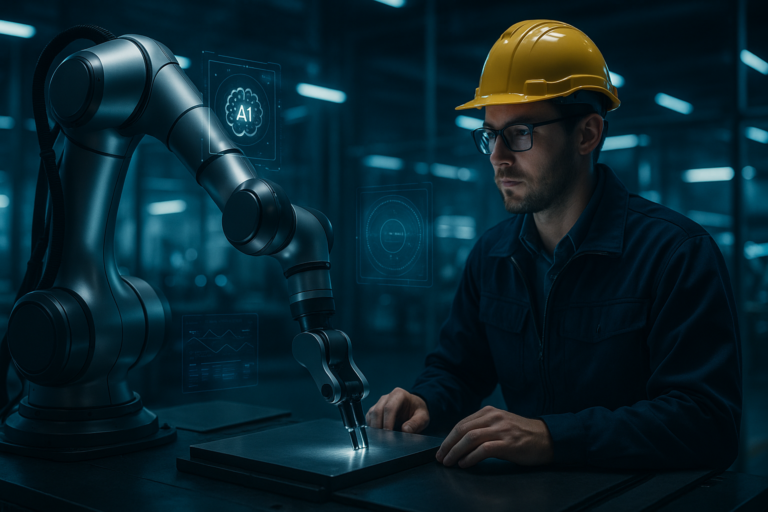
- Robotics: Modern robots can now perform complex assembly, packaging, and inspection tasks, collaborating safely with human workers on the factory floor.
- Internet of Things (IoT): A proliferation of connected sensors and devices enables factories to monitor equipment health, inventory levels, and process variables in real time, allowing for predictive maintenance and optimized production schedules.
- Digital Twins: Virtual replicas of entire factories or production lines facilitate improved planning, reduce downtime, and allow for testing of process changes without disrupting real-world operations.
These advancements aren’t limited to manufacturing alone. Automation is now commonplace in logistics, energy, agriculture, and infrastructure management. For insights on these evolving trends and technologies, resources such as Automation.com offer valuable perspectives.
AI in Automation
Artificial intelligence is revolutionizing every layer of the automation spectrum, acting as a catalyst for rapid, smart decision-making. Companies like Himel are deploying AI-powered solutions into critical infrastructure, such as HVAC systems, to dramatically improve operational efficiency, safety, and sustainability.
AI applications within industrial automation include:
- Predictive Maintenance: By analyzing sensor data, AI systems can anticipate equipment failures before they happen, reducing unplanned downtime and saving significant costs.
- Process Optimization: AI models analyze vast data streams from production lines and automatically adjust parameters for yield improvement, energy savings, or waste reduction.
- Quality Control: Image-recognition and computer-vision systems can detect flaws or inconsistencies at the microscopic level, far surpassing human inspection capabilities.
The industry’s appetite for AI-driven automation shows no signs of slowing. Market adoption is being driven by an urgent need to balance speed, efficiency, and sustainability. For example, in process industries (such as chemical or pharmaceutical manufacturing), AI-powered systems continuously tweak process conditions for optimal output based on raw-material characteristics and real-time demands.
For the latest developments on how AI intersects with industrial technology, TechCrunch regularly covers innovations and thought leadership in this rapidly advancing sector.
Smart Code Readers
Smart code readers represent one of the more practical yet transformative solutions in industrial automation. As reported by SMEStreet, new generations of code readers are reducing errors and simplifying a critical aspect of industrial operations: tracking components, products, and materials throughout the supply chain.
Unlike their predecessors, today’s smart code readers feature capabilities such as:
- High-Speed, High-Accuracy Reading: Even codes that are poorly printed, damaged, or presented at awkward angles can be accurately scanned.
- Wireless Connectivity: Integration with factory networks allows real-time data updates, supporting immediate inventory adjustments and shipment verification.
- Data Analytics: Aggregated scan data gives facility managers insights into process bottlenecks and potential quality issues.
Widespread implementation of these technologies not only reduces manual data entry errors but also supports compliance with traceability and serialization requirements across industries such as pharmaceuticals, automotive, and food processing.
The Expanding Role of Robotics
No examination of industrial automation would be complete without discussing the transformative role that robotics now plays in virtually every sector. First considered the province of large automotive plants, robotic arms and automated guided vehicles (AGVs) are now commonplace in small- and medium-size enterprises as well.
Recent trends in robotics include:
- Collaborative Robots (Cobots): Designed to work safely alongside humans without the need for elaborate safety cages, cobots are driving a democratization of automation. Their flexibility allows even low-volume tasks to be automated cost-effectively.
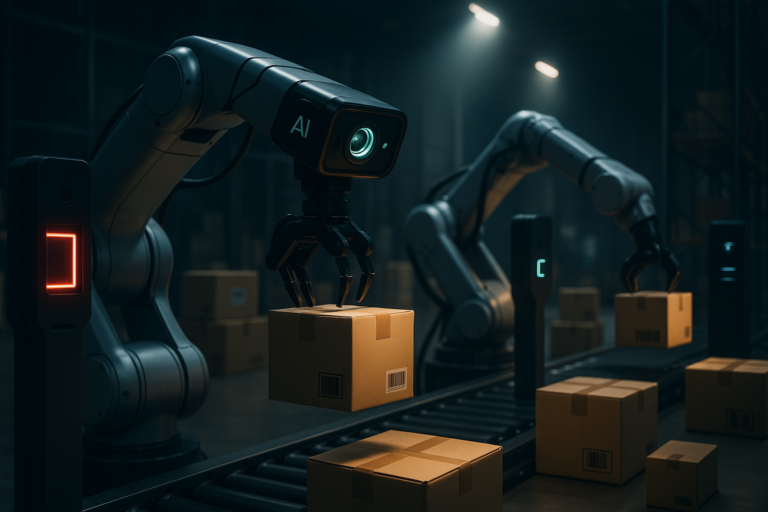
- Autonomous Mobile Robots (AMRs): Used widely in logistics and warehousing, these intelligent vehicles can independently navigate complex environments, moving products or components with minimal human intervention.
- Robotics-as-a-Service (RaaS): Companies now have options to lease robots and pay based on usage, reducing capital expense barriers for smaller organizations.
The result? Robotics helps bridge the gaps left by labor shortages, reduces workplace injuries in hazardous environments, and supports growth in sectors previously thought too small or irregular for automation investment.
Challenges and Opportunities Ahead
Despite exciting progress, industries face a set of challenges as they accelerate adoption of automation. At the forefront are workforce reskilling needs, cybersecurity threats, and complexities in integrating legacy infrastructure with new digital systems.
- Workforce Transformation: While automation eliminates some repetitive jobs, it opens doors to new roles in robot programming, system integration, and data analysis. Proactive workforce retraining is crucial to avoid displacement and ensure ongoing productivity.
- Cybersecurity: As facilities become more connected, the risks of operational disruption due to cyberattacks increase. Companies must invest in robust security strategies tailor-made for operational technology (OT) environments.
- Change Management: Adopting new technologies at scale can provoke cultural resistance, especially where processes have been stable for decades. Companies need to plan transparent communication and phased rollouts to foster acceptance and minimize disruptions.
On the flip side, the opportunities are vast. Automation can enable entirely new business models, from custom, on-demand manufacturing to data-driven service delivery. A new generation of digital-native manufacturers is emerging, built from the ground up to harness data, AI, and robotics in ways never before possible.
Case Studies: Real-World Applications
Let’s examine a few real-world applications that exemplify the transformative impact of industrial automation:
- Aerospace Assembly: Aerospace manufacturing giants now use robotic arms with micron-level accuracy to perform drilling and fastening on fuselage assemblies, slashing human errors and vastly improving throughput.
- Warehousing: A leading e-commerce retailer uses hundreds of AMRs to autonomously transport shelves of products to human pickers, doubling throughput while reducing employee fatigue and injuries.
- Pharmaceutical Serialization: Advanced code readers ensure each medication package is uniquely identified and tracked at every stage, allowing rapid recall during safety incidents and seamless compliance with global regulations.
- Predictive Maintenance in Oil & Gas: Remote sensors and AI models detect equipment wear long before a breakdown occurs, organizing repairs proactively and preventing lost output worth millions.
These case studies demonstrate that no sector is immune to the influence of industrial automation and digital transformation—regardless of specific processes or legacy challenges.
Summary
In summary, the convergence of aerospace expansion and industrial automation unveils boundless opportunities for growth, efficiency, and resilience. By embracing advanced robotics, AI-driven systems, smart code readers, and other digital technologies, industries can reinvent themselves for the demands of the 21st century. These innovations are making operations safer, more sustainable, and more able to withstand disruptions from global events. For businesses looking to stay ahead, the message is clear: stay informed, invest in both technology and people, and view automation not as a threat, but as a strategic asset to unlock the next wave of industrial success.
FAQs
- What is industrial automation? Industrial automation refers to the use of control systems—such as computers, robots, and information technologies—to automatically manage industrial processes with minimal human assistance, enhancing efficiency, reliability, and safety.
- How does AI contribute to automation? AI enables automation systems to analyze vast data sets, learn patterns, predict equipment failures, optimize processes in real time, and make autonomous decisions, all of which lead to increased productivity and reduced downtime.
- What are smart code readers? Smart code readers are advanced scanning devices capable of reading a wide variety of codes and tags (such as barcodes and QR codes), offering high-speed and high-accuracy capabilities critical for inventory and process management in modern industry.
- How does automation affect the workforce? While automation can reduce the need for certain repetitive manual jobs, it creates new opportunities in technical fields such as robotics maintenance, data science, and systems integration. Workforce upskilling and reskilling are essential to maximize benefits and ensure smooth transitions.
- What industries are most affected by automation? Sectors like manufacturing, aerospace, automotive, logistics, agriculture, and pharmaceuticals are heavily influenced, but virtually every industry can benefit—in varying degrees—from the efficiencies introduced by automation.