As I dive into the world of industrial automation, I can’t help but notice the incredible growth and opportunity it presents. According to a recent article from Modern Distribution Management, the landscape of U.S. industrial automation is changing rapidly, and understanding these shifts can open doors for businesses and professionals alike.
Table of Contents
- Introduction
- Current Trends in Industrial Automation
- Adoption: By the Numbers
- Benefits of Embracing Automation
- Real-World Case Studies
- Challenges to Consider
- Overcoming Automation Hurdles
- Future Outlook for Industrial Automation
- What Skills Will the Future Workforce Need?
- Summary
- FAQs
- Sources
Introduction
Industrial automation is no longer just a trend; it’s a vital component of modern manufacturing and production. The integration of technology into processes not only boosts efficiency but also enhances productivity. As I explore this topic, I want to highlight the statistics and opportunities that underscore the importance of automation in today’s economy.
For decades, manufacturing has served as the backbone of the U.S. economy, employing millions and providing the goods that touch every aspect of daily life. Now, a technological revolution is underway. Factories, warehouses, farms, and even logistics firms are installing smart machines, robots, and interconnected devices at a breakneck pace. What was once the stuff of science fiction—intelligent robots, AI-driven predictive maintenance, and self-monitoring supply chains—is quickly becoming business as usual.
The main drivers behind this transformation include the need for greater efficiency, an evolving workforce, increased demand for flexibility, and the promise of higher safety standards. In this blog, I’ll walk you through where automation stands today, the benefits and statistics behind its rise, the challenges to keep in mind, and what businesses should be doing now to take advantage of this sea change.
Current Trends in Industrial Automation
Currently, we’re witnessing a surge in the adoption of automation technologies across various industries. According to Automation.com, sectors like manufacturing, logistics, oil and gas, pharmaceutical, and even agriculture are increasingly leveraging robotics and AI to streamline operations. This trend is driven by a need for efficiency and cost reduction, as companies seek to remain competitive in a fast-paced market.
Moreover, the Internet of Things (IoT) is playing a crucial role in this transformation. With devices connected to the internet and each other, businesses can monitor and optimize their processes in real-time, leading to significant improvements in operational efficiency. For instance, predictive maintenance powered by IoT can reduce downtime and decrease maintenance costs by signaling when equipment is likely to fail.
Several key technologies are shaping industrial automation right now:
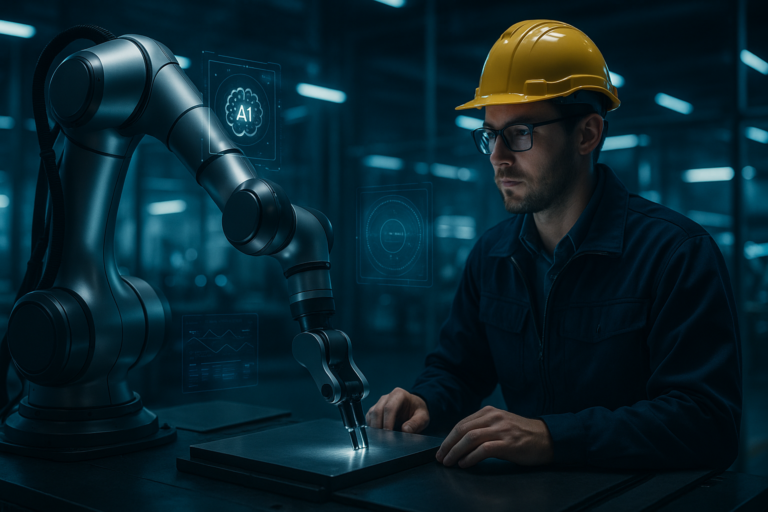
- Collaborative robots (cobots): Machines designed to safely work alongside human employees without the need for safety cages.
- Artificial Intelligence (AI): Used for visual inspections, predictive analytics, process optimization, and even for automating customer service touchpoints.
- Cloud Computing: Enables centralized data storage and remote management of entire fleets of smart machines from anywhere in the world.
- Digital Twins: Virtual simulations of physical systems, allowing manufacturers to test scenarios before implementing changes on the factory floor.
These trends indicate that automation is not a monolithic shift led only by robots—it’s a combination of smart systems, increased connectivity, improved analytics, and more adaptable, collaborative machines.
Adoption: By the Numbers
Let’s dig into some of the latest industry statistics to better understand the scale of automation’s rise:
- Industrial robotics: According to the International Federation of Robotics (IFR), the U.S. installed about 38,000 industrial robots in 2023—a 12% increase from the previous year.
- Market growth: The U.S. industrial automation market is projected to reach over $90 billion by 2028, growing at a compound annual growth rate (CAGR) of nearly 7%.
- SME adoption: Small and mid-sized manufacturers (SMEs) are catching up, with more than 50% of those surveyed in 2022 by the Association for Advancing Automation stating that they had introduced at least one form of automation in their operations.
- Productivity gains: According to TechCrunch, companies that have adopted automation report productivity increases of up to 30% and significant drops in operational and labor costs.
- Workforce impacts: Despite concerns regarding job loss, the World Economic Forum forecasts that automation could create a net increase of 12 million jobs worldwide by 2025, as new roles are created in programming, oversight, and maintenance.
These numbers illustrate why automation isn’t just hype—it’s fundamentally changing American industry at scale, making it more competitive on the world stage.
Benefits of Embracing Automation
There are numerous benefits to embracing industrial automation. First and foremost, it can lead to increased productivity. Automated systems can operate 24/7 without breaks, significantly enhancing output even during labor shortages or supply chain disruptions.
According to TechCrunch, companies that have adopted automation report productivity increases of up to 30%. As automation technologies become more accessible, even smaller businesses are able to boost their output and efficiency—sometimes by automating a single step in their workflow, such as packing, labeling, or quality control.
Additionally, automation can improve quality and consistency. Machines can perform tasks with precision that humans may not achieve consistently, reducing errors and waste. This is particularly important in industries where quality control is paramount, such as pharmaceuticals, aerospace, and automotive.
Lastly, automation can enhance safety in the workplace. By taking over repetitive or dangerous tasks—like heavy lifting, hazardous material handling, or operating machinery in extreme environments—robots and smart devices can help reduce workplace injuries, creating a safer environment for remaining employees. This not only protects workers but also helps businesses avoid the costs related to accidents, insurance, and downtime resulting from injuries.
Increased Flexibility and Scalability
Unlike traditional mechanization, today’s automated platforms can often be reprogrammed or repurposed quickly. That means manufacturers can easily switch between product lines, shorten development cycles, or adapt rapidly to changing market demand. In other words, automation doesn’t just make things faster—it makes them smarter.
Sustainability and Resource Efficiency
With rising energy costs and growing concern over climate change, efficient resource use has never been more important. Automated systems optimize energy and material usage, often leading to less waste and a smaller environmental footprint. IoT-enabled monitoring can spot leaks, inefficient equipment, or excess consumption in real-time, letting businesses correct issues immediately. For example, a recent study in packaging plants found that AI-optimized machines were able to reduce electricity consumption by 15% compared to traditional systems.
Real-World Case Studies
Sometimes the best way to understand the impact of a technology is to see it in action. Here are a few examples demonstrating the transformative potential of industrial automation in the U.S.:
- Automotive Assembly: An Ohio-based auto supplier integrated a fleet of collaborative robots (cobots) to handle repetitive welding tasks. The result? Production output increased by 22%, workplace injuries dropped, and the company redirected workers into quality assurance and robot supervision roles, creating new career paths for existing employees.
- Food Processing: A poultry processing facility in Arkansas introduced smart sensors and AI-driven cameras to monitor packaging lines. The plant saw a 12% reduction in product giveaway (where more product is packed than needed), saving over $3 million annually. Additionally, automated data collection improved regulatory reporting and food safety compliance.
- Small Manufacturers: One mid-sized Michigan machine shop invested in a single robotic arm for nighttime CNC milling operations. That robot paid for itself in under 10 months and allowed the shop to accept larger, more complex jobs that would have otherwise required additional staff or a larger facility.
These examples show that automation isn’t just for the largest corporations—businesses of all sizes are finding ways to capture significant value.
Challenges to Consider
While the benefits of automation are clear, there are also challenges to consider. One major concern is the potential for job displacement. As machines take over tasks traditionally performed by humans, there is a fear of widespread unemployment. It’s essential for companies to address this by investing in retraining and upskilling their workforce and by thoughtfully managing their digital transformation.
Another challenge is the initial investment required for automation technologies. While the long-term savings can be significant, the upfront costs—robotic arms, smart sensors, AI software platforms—can be a barrier for many businesses, especially smaller firms. Companies need to carefully calculate their expected return on investment (ROI), taking into account the potential for increased revenue and cost savings over time.
Additional challenges include cyber-security risks introduced by connected systems, increased complexity in system integration, and the need for ongoing support, updates, and troubleshooting expertise. For some, the organizational culture change required to fully leverage automation is just as hard as the technical part.
Overcoming Automation Hurdles
While obstacles exist, many are surmountable with the right approach. Here are recommended strategies for businesses considering automation:
- Start Small: Pilot projects allow organizations to prove the value of automating a single workflow before scaling up.
- Invest in Training: Partnering with local colleges, universities, or trade programs can provide reskilling opportunities for displaced workers and build a future-ready workforce.
- Leverage Government Grants: Funding is often available at the federal, state, or local level to help offset the cost of automation technology for small manufacturers and innovators.
- Strengthen Cyber-security: Implement best practices for securing networks, endpoints, and IIoT devices to reduce vulnerability to digital attacks.
- Build a Culture of Adaptability: Foster an environment where employees are encouraged to learn, adapt, and innovate around new technologies.
Future Outlook for Industrial Automation
The future of industrial automation looks promising. With advancements in AI, machine learning, and robotics, we can expect even more sophisticated systems that can adapt to changing conditions and learn from their environments. According to Wired, the next wave of automation will likely focus on collaborative robots (cobots) that work alongside humans, enhancing productivity while maintaining a human touch.
Furthermore, as sustainability becomes a priority, automation can play a vital role in optimizing resource use and reducing waste. Companies that leverage automation for energy and material efficiency—and transparently report these improvements—will likely gain a competitive edge in the market in an era when customers and regulators are increasingly scrutinizing environmental practices.
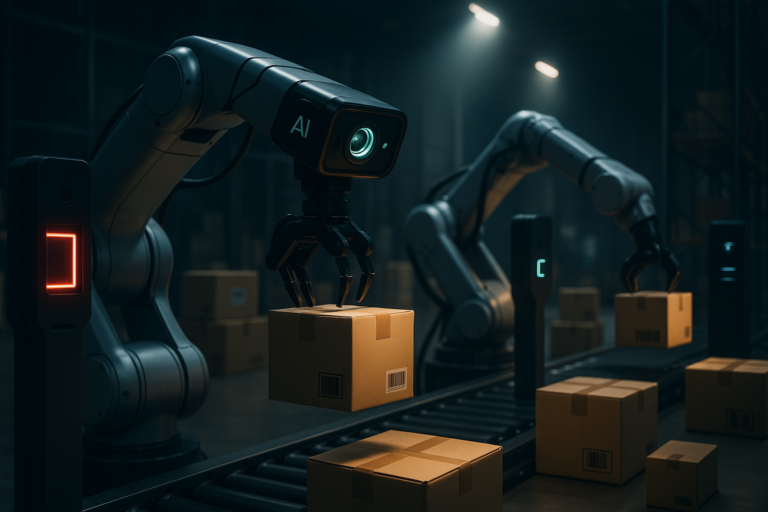
Another emerging trend is the rise of autonomous logistics and warehouse robots. As e-commerce continues its explosive growth, expect to see even more automated guided vehicles (AGVs), drones, and robotic pickers working alongside traditional employees to keep pace with demand.
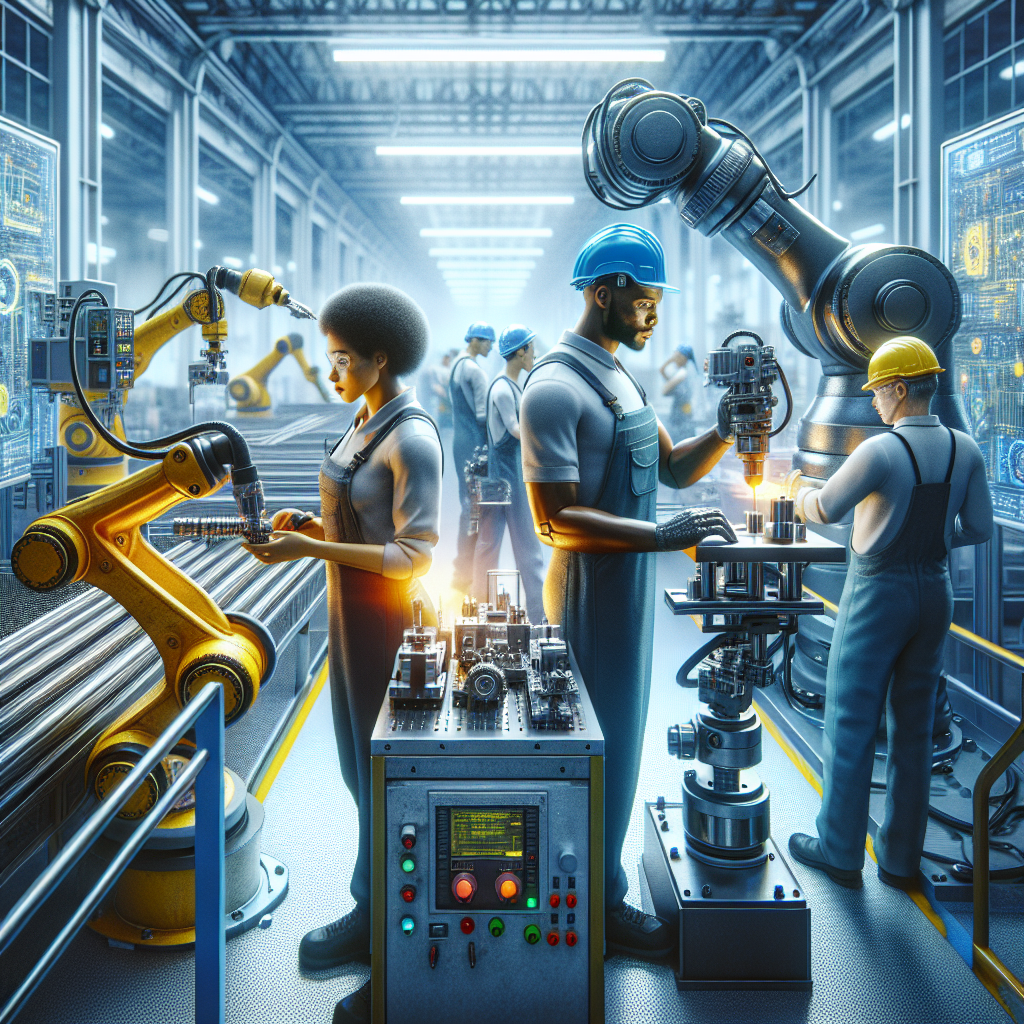
Ultimately, the factories, warehouses, and farms of tomorrow are likely to look very different from those of today—more digital, more connected, and more reliant on a human-tech partnership model. The most successful companies will be those who embrace this shift as a strategic opportunity rather than simply a necessary upgrade.
What Skills Will the Future Workforce Need?
With automation shouldering much of the repetitive or physically demanding labor, the workforce itself is evolving. Future-proof careers in industrial settings will center around:
- Programming and Software Integration: Coding, logic development, and systems integration are critical as machines become smarter and more connected.
- Data Analytics: The ability to interpret and act on the torrent of data from sensors and machines will determine efficiency and optimization.
- Maintenance and Troubleshooting: As automated systems proliferate, keeping them running smoothly becomes a core skill.
- Process Improvement: Lean manufacturing and continuous improvement expertise will become even more valuable in a tech-enabled environment.
- Digital Literacy: Virtually every job in the industrial sector will require at least some comfort level with software, digital dashboards, or connected devices.
Workers who cultivate adaptability, curiosity, and a willingness to learn new technologies—and companies that support this learning—will have a significant advantage in the coming years.
Summary
In summary, the rise of industrial automation presents both opportunities and challenges. By understanding the current trends and benefits, while also addressing the potential downsides, businesses can position themselves for success in this evolving landscape. As we move forward, embracing technology will be crucial for staying competitive and efficient.
From robotics to AI to the rise of smart factories, automation is transforming American industry. Those who move quickly will enjoy major competitive advantages—in productivity, quality, cost, and even new product innovation. But success requires a dual focus: making smart investment decisions today, and making sure your workforce is ready to thrive in a digital, data-driven workplace.
FAQs
- What industries are most affected by industrial automation?
Industries like manufacturing, logistics, food processing, pharmaceuticals, automotive, and agriculture are seeing significant impacts from automation. - How can companies prepare their workforce for automation?
Investing in retraining and upskilling programs is essential to help employees transition into new, tech-driven roles, and collaborating with educational partners can facilitate this process. - What are the initial costs associated with automation?
Initial costs can vary widely depending on the technology, but generally include equipment, software licenses, installation fees, and training. Careful ROI calculation is crucial before any major investment. - Is automation only about robots?
No, automation encompasses a broad range of technologies, including robotics, software automation (such as ERP and MES systems), IoT sensors, AI analytics, and more. - Does automation result in job loss?
While some roles will be phased out, many new roles are being created. Proactive training and organizational change can ensure displaced workers find meaningful work in the new tech-enabled environment.
Sources
- Modern Distribution Management
- Automation.com
- TechCrunch
- Wired