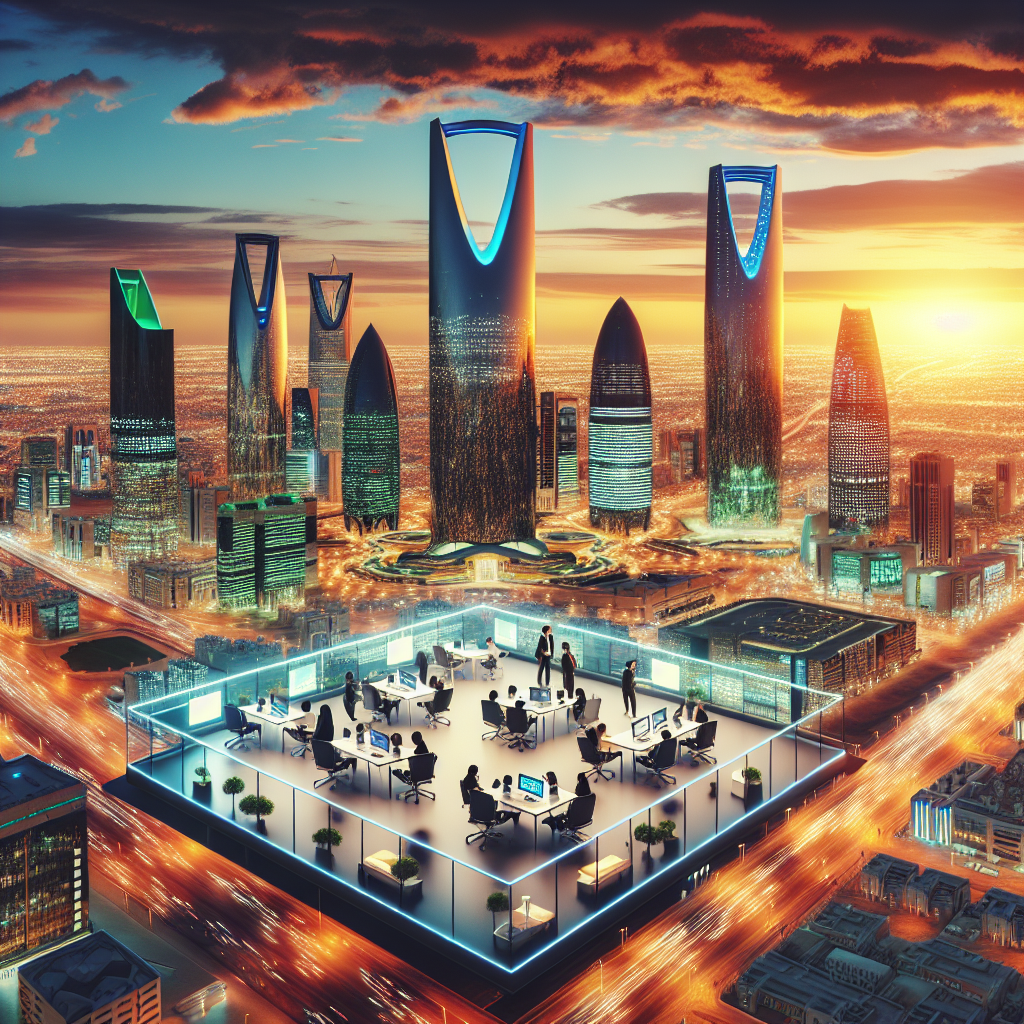
As I delve into the dynamic landscape of the Middle East’s economic transformation, one nation continually captures the spotlight: Saudi Arabia. Over the past decade, Saudi Arabia has undergone a profound evolution from an oil-centric economy into a thriving, multi-faceted engine for innovation and entrepreneurship. As highlighted in industry discussions, the Kingdom’s drive to foster a robust startup ecosystem is not just impressive—it’s setting a benchmark for the broader Middle East region.
Table of Contents
- Introduction
- The Startup Ecosystem in Saudi Arabia
- Government Initiatives Supporting Innovation
- Investment and Funding Opportunities
- Saudi Arabia’s Emerging Entrepreneurial Culture
- Success Stories of Saudi Startups
- Regional & Global Impact
- Challenges and Opportunities Ahead
- The Road Ahead: Future Outlook
- Summary
- FAQs
- Sources
Introduction
Not so long ago, the Saudi Arabian economy was defined almost exclusively by its massive oil reserves and energy exports. But the kingdom’s leadership recognized that a future dependent on oil alone would be unsustainable and fail to capture the boundless potential of their burgeoning youth population. Enter Vision 2030, the nation’s ambitious framework designed to diversify the economy, empower citizens, and position Saudi Arabia as a global innovation hub. Beneath this strategic vision is an energetic push for entrepreneurship and technological advancement—a transformation I find both practical and inspiring.
This article explores the critical pillars that have enabled Saudi Arabia to grow into the region’s new center for innovation and startup growth. We will journey through its evolving startup ecosystem, examine key governmental and private sector initiatives, highlight compelling startup success stories, and discuss the challenges and opportunities that lie ahead.
The Startup Ecosystem in Saudi Arabia
Saudi Arabia’s startup landscape is in the midst of a renaissance. In less than a decade, the nation has nurtured the rapid development of tech hubs, accelerators, and co-working spaces, driven by the dynamism of a youthful, educated population eager to innovate. According to the World Bank, more than 60% of Saudis are under the age of 30. Access to digital technologies, increased risk appetite, and a wave of entrepreneurship education have combined to energize a generation that’s building creative solutions for the region—and beyond.
At the core of this ecosystem are incubators and accelerators, such as MENA Catalyst and Saudi Angel Investors, which provide vital infrastructure and support to startups. These organizations do far more than offer investment—they connect young companies with mentors, technical expertise, and opportunities for global expansion. Thousands of entrepreneurs have benefited from such collaborative spaces, helping transform innovative ideas into viable businesses. Moreover, events like the LEAP technology conference in Riyadh and the Biban SME forum foster global networking and knowledge-sharing, drawing influential investors and technology leaders from all over the world.
The result is a burgeoning ecosystem boasting hundreds of registered startups in fields ranging from fintech and logistics to e-commerce, agritech, and sustainability. Increasingly, these startups are not only meeting local needs, but also exporting innovation across the MENA region.
Government Initiatives Supporting Innovation
The government’s pivotal role cannot be overstated. Saudi Arabia’s commitment to innovation is most visible through a suite of bold programs aimed at supporting entrepreneurial ventures. Central among these is the Small and Medium Enterprises General Authority (Monsha’at). Established in 2016, Monsha’at streamlines regulatory requirements, offers funding platforms, and delivers skills-building workshops nationwide. Their startup accelerators, boot camps, and hackathons have sparked nationwide enthusiasm, helping entrepreneurs turn challenges into compelling opportunities.
The Vision 2030 framework underlines the importance of SMEs and innovation. By committing to raise the contribution of small and medium-sized enterprises to GDP from 20% to 35%, the Kingdom is sending a clear message: small businesses and startups are a national priority.
Other government offshoots, such as TAQNIA (the Saudi Technology Development and Investment Company), work to bridge the gap between scientific research and commercial application. TAQNIA has financed a range of high-tech sectors, from renewable energy to advanced materials and nanotechnology. The Saudi Arabian General Investment Authority (SAGIA), now part of the Ministry of Investment, has reformed foreign ownership regulations and created fast-track incentives for international startups seeking to operate in the Kingdom.
Furthermore, the creation of specialist innovation hubs, such as the King Abdullah University of Science and Technology’s Innovation Center (KAUST Innovation), has further elevated research commercialization and attracted world-class talent. Universities are increasingly encouraging students to launch spin-out companies, with some even offering seed funding to fledgling entrepreneurs.
Investment and Funding Opportunities
At the core of any thriving startup landscape lie robust investment opportunities—and Saudi Arabia has certainly stepped up to the plate. Over the past five years, venture capital and private equity inflows have soared. In 2023 alone, disclosed startup funding exceeded $1.3 billion, a record for the Kingdom and a dramatic increase from previous years. These figures, noted by the Financial Times, signal growing confidence among both domestic and foreign investors.
Several high-profile investors are highly active: Saudi Ventures, STV, Raed Ventures, and the Saudi Sovereign Public Investment Fund (PIF) play leading roles. The government’s Fund of Funds program invests directly into venture capital and private equity funds, further catalyzing risk capital availability.
On the international stage, Saudi entrepreneurs have captured the interest of global powerhouses like the SoftBank Vision Fund. The expanded access to both regional and international capital gives startups the runway to scale quickly and tap into global markets.
Initiatives such as the National Development Fund and the Social Development Bank also provide grants and interest-free loans to early-stage startups. Meanwhile, fundraising platforms such as Oqal Angel Investors encourage Saudi business leaders to mentor and financially support the next wave of startups.
These funding pathways are coupled with an increased focus on strategic sectors, especially greentech, logistics, e-commerce, fintech, artificial intelligence, and biotechnology, aligning with national goals of long-term economic sustainability and digital transformation.
Saudi Arabia’s Emerging Entrepreneurial Culture
No successful startup ecosystem thrives on financial resources alone; it needs the right mindset and cultural acceptance. Saudi Arabia is cultivating that spirit. Traditionally conservative attitudes toward risk and business failure are gradually giving way to a supportive, fail-fast ethos inspired by Silicon Valley and other international innovation hubs.
Youth in Saudi Arabia are increasingly proactive in defining their own professional futures, thanks to dedicated entrepreneurship programs at leading universities and enormous investments in global best practices. Organizations across the Kingdom run business plan competitions, hackathons, and mentorship programs—normalizing the challenges and rewards of entrepreneurship. The widespread use of social media helps aspiring founders share stories, collaborate, and build vibrant communities of practice.
This cultural transformation is directly reflected in increased startup activity among young Saudis and women—historically underrepresented in business. According to Monsha’at, women now account for nearly 40% of entrepreneurs in the Kingdom, a dramatic increase that showcases the power of reform and inclusivity. These trailblazing founders are not only launching businesses, but also mentoring, investing in, and championing the next generation of leaders.
Success Stories of Saudi Startups
Saudi Arabia is already producing regional powerhouses and global tech disruptors. Here are a few of the standout companies inspiring entrepreneurs across the Middle East and beyond:
- Noon: Headquartered in Riyadh and Dubai, Noon is the Middle East’s leading e-commerce platform, launched with substantial backing from Saudi’s PIF and Emirati investors. It now rivals global behemoths, offering millions of products and pioneering ‘fulfillment as a service’ logistics solutions. Noon’s growth illustrates the market’s readiness for digital commerce and logistic innovation.
- STC Pay: The digital wallet of Saudi Telecom Company, STC Pay, has revolutionized payments in the Kingdom by offering a seamless, secure mobile-first financial solution. It became the first ‘unicorn’ in Saudi Arabia, with a valuation surpassing $1 billion after Western Union acquired a 15% stake.
- Foodics: This Riyadh-based SaaS company develops intelligent restaurant management systems and has expanded across the GCC, closing major fundraising rounds with international investors. Their technology helps thousands of hospitality businesses optimize operations and boost profitability.
- Unifonic: Providing cloud-based customer communication solutions, Unifonic is one of Saudi Arabia’s flagship B2B startups, serving clients across multiple continents. Their success in raising $125 million in Series B funding in 2021 underlines investor belief in Saudi tech talent.
- Sary: A B2B digital marketplace streamlining procurement for small retailers, Sary rapidly became one of MENA’s most promising startups, connecting suppliers to thousands of merchants through an intuitive app.
These are just a handful among dozens of Saudi startups gaining both international market share and industry recognition. Their journeys prove the viability of the Saudi market and the caliber of the Kingdom’s entrepreneurial talent.
Regional & Global Impact
Saudi Arabia’s influence increasingly extends beyond its borders. Large investments in the digital economy, infrastructure, and cross-border partnerships are attracting ambitious entrepreneurs from across the Middle East and North Africa. Riyadh has become a popular destination for relocation and expansion among founders from Egypt, Jordan, Lebanon, and the UAE, who seek out its access to capital and consumer demand.
Giga-projects such as NEOM, the $500 billion smart city on the Red Sea, create test beds for next-generation mobility, energy, sustainability, and urban living. These projects attract global tech companies and startups alike, blending local talent with international expertise.
Saudi Arabia’s push to become an “innovation super-connector” is bolstered by regional events, cross-border R&D initiatives, and partnerships with international firms. The Kingdom’s commitment to hosting global sporting and cultural events—such as the Future Investment Initiative and international tech conferences—further cements its status as a regional gateway for innovation.
Challenges and Opportunities Ahead
Saudi Arabia’s progress is remarkable, but significant challenges remain, requiring strategic focus and flexibility from both policymakers and founders.
- Regulatory Environment: While business reforms are ongoing, complex licensing, labor laws, and bureaucracy can slow down startup formation and international expansion. The government’s responsiveness to feedback and its willingness to iterate regulations are critical for further growth.
- Access to Talent: Although youth unemployment remains a concern, the Kingdom is investing heavily in education, digital skills training, and STEM education to produce a future-ready workforce. Attracting expatriate talent and supporting knowledge transfer remain priorities as local skills catch up with global trends.
- Cultural Shifts: Risk aversion and negative perceptions around business failure have traditionally stymied entrepreneurship. Continued public and private sector support for ‘second-chance’ founders, fail-fast experimentation, and inclusive growth are crucial for normalizing entrepreneurship as a viable career.
- Diversity & Inclusion: Sustaining recent gains in women’s entrepreneurship and integrating marginalized communities must remain a top priority. This will ensure that the benefits of innovation-driven growth are equitably shared.
Viewed through another lens, these challenges are fertile ground for creative problem-solving and further innovation. Entrepreneurs equipped with local insights are uniquely positioned to design solutions that address Saudi Arabia’s distinctive market needs, whether in logistics, hospitality, supply chain resilience, sustainable cities, or digital payment systems.
The Road Ahead: Future Outlook
Looking ahead, I see Saudi Arabia’s innovation engine moving into an exciting new phase, powered by several emerging trends:
- Green Innovation: The nation is investing billions in renewable energy (especially solar and hydrogen), smart water technology, and sustainable agriculture. Startups are crucial partners in achieving environmental goals set out by the Saudi Green Initiative.
- Digital Transformation: AI, blockchain, 5G, and IoT technologies will play a major role in the transition to smart cities, e-government, advanced manufacturing, and next-generation logistics.
- Internationalization: Saudi startups will increasingly look to expand regionally and enter global markets, supported by government export strategies and trade missions.
- Female Leadership: As social reforms deepen, more women will become startup founders, investors, and executives, further fueling inclusive economic growth.
For entrepreneurs, the time has never been better. The resources, backing, and ambition are all in place—and the world is watching Saudi Arabia’s model of tech-led, inclusive prosperity with keen interest.
Summary
From bold policy frameworks to grass-roots cultural changes, Saudi Arabia has decisively positioned itself as a launchpad for innovation and startups. The kingdom’s unwavering focus on Vision 2030, coupled with a digitally savvy youth, well-funded support networks, and a vibrant culture of entrepreneurship, ensures this is only the beginning. As I reflect on the incredible growth since the early 2010s, it’s clear that the next chapters of Saudi Arabia’s economic renaissance will offer even more opportunities for founders, investors, and dreamers alike. Amid all this energy and ambition, Saudi Arabia is proving that in the modern era, true wealth comes from ideas, collaboration, and the courage to build a new future.
FAQs
- What is Saudi Vision 2030?
Vision 2030 is the Kingdom’s long-term plan to diversify its economy, reduce its dependence on oil, and promote social and economic innovation through investment in human capital, technology, and international partnerships. - How do Saudi startups typically access funding?
Startups benefit from a combination of government grants, venture capital from local and international funds, angel investor networks, and accelerator/incubator programs. Pitch competitions and demo days are common routes to connect with investors. - Who are the key supporters of Saudi startups?
Entities like Monsha’at, TAQNIA, the PIF, Saudi Ventures, and university innovation centers all play critical roles in mentorship, investment, and business development. - Are there opportunities for foreign entrepreneurs in Saudi Arabia?
Yes. Recent reforms allow for foreign company ownership, and the Kingdom encourages knowledge transfer and cross-border partnerships, especially in priority sectors such as technology, sustainability, logistics, and healthcare. - What challenges remain for Saudi entrepreneurs?
While investment is booming, challenges include regulatory red tape, talent shortages, and the need for ongoing cultural change. However, these obstacles are actively being addressed through reforms and private sector collaboration.