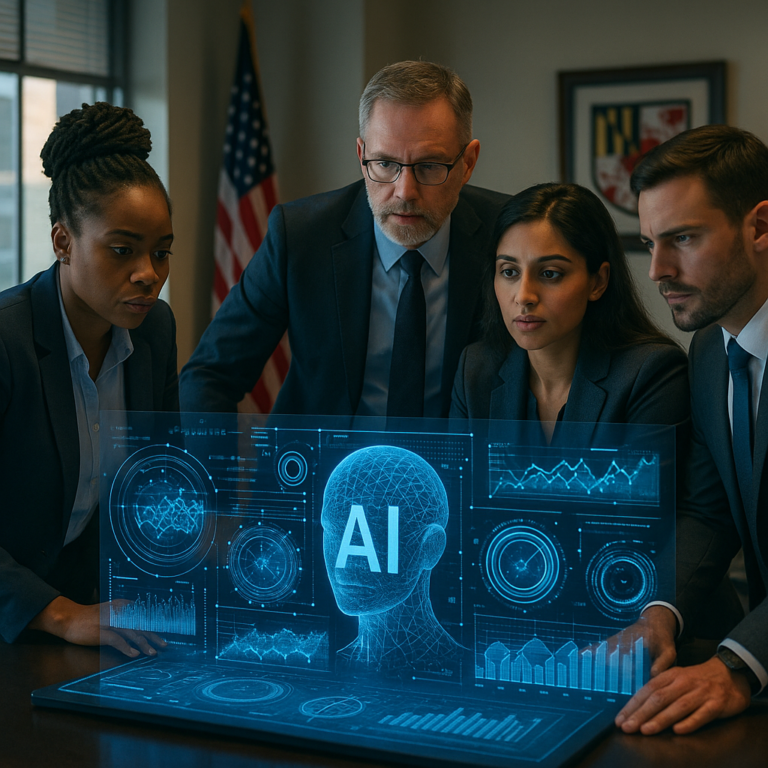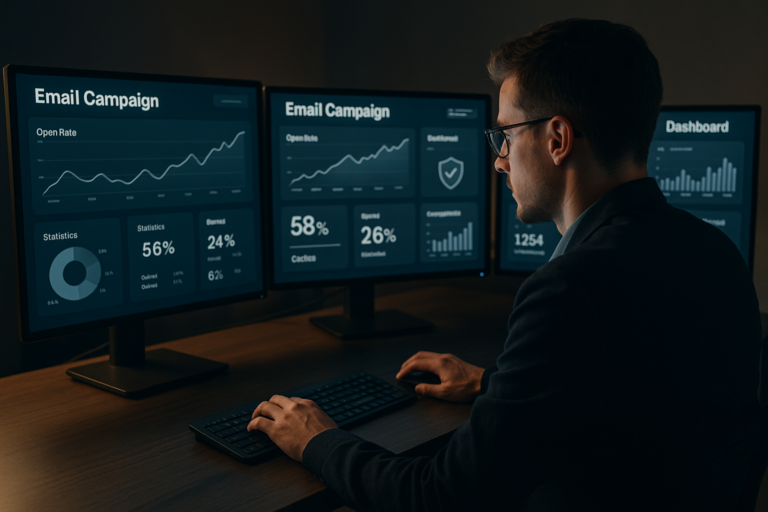
As we journey further into a tech-driven future, the stakes for C-suite executives keep rising. In an era defined by lightning-fast digital transformation, evolving threats, and relentless market pressures, it’s not enough for leaders to be familiar with technology — they must become champions of innovation, security, and strategic growth. The HMG Strategy’s 2026 C-Level Technology Leadership Summit Series is uniquely designed to serve as an intellectual catalyst and peer forum for executives who are determined to thrive in complexity, drive innovation, and fortify their organizations against emerging risks.
In this article, I’ll dive deep into the significance of this summit. We’ll examine why it matters for today’s – and tomorrow’s – leaders, how the event addresses impact areas ranging from AI, cybersecurity, and digital transformation to personal leadership. You’ll find actionable steps for C-suite leaders, extended insights from industry voices, and resources to continue your journey.
Table of Contents
- Why the Technology Leadership Summit Matters Now
- Key Themes and Topics Addressed
- Real Leader Insights: Voices from the C-Suite
- Actionable Steps for Executives
- Tackling Today’s Top Technology Challenges
- Summary
- Frequently Asked Questions
- Sources
Why the Technology Leadership Summit Matters Now
C-suite leaders today are under constant pressure to deliver transformation, drive efficiency, and protect their organizations – all at the same time. The expectation is for leaders to be visionaries who not only react to technological disruption but anticipate it and use it as a competitive advantage. This is why forums like the 2026 C-Level Technology Leadership Summit are so important: They provide a unique space for knowledge sharing, networking, and learning from failures and successes.
Unlike many generic tech events, this summit focuses on empowering senior executives with actionable insights tailored to their unique challenges, spanning:
- Strategic innovation in a world marked by digital acceleration
- Leadership imperatives in hybrid and distributed work environments
- The growing interdependency between cybersecurity and organizational resilience
- Navigating regulatory landscapes and compliance pressure
- Building cultures that embrace—not fear—AI and automation
This peer-driven community is not just about finding the next innovation. It’s about equipping leaders to elevate themselves and their organizations. Personally, I believe regular participation in such high-impact gatherings arms executives with the vision, confidence, and peer support needed to guide enterprises through turbulent waters.
Key Themes and Topics Addressed
The summit uses a mix of keynote presentations, interactive panel discussions, and peer working groups. Here are some of the most urgent—and fascinating—themes you’re likely to encounter:
- AI Innovation: No longer a futuristic buzzword, artificial intelligence is reshaping industries at breakneck speed. Learn how leaders are deploying AI/ML solutions for predictive analytics, personalized customer experiences, and automating critical yet repetitive processes. The real power of AI isn’t just in deployment, but in fostering responsible and explainable AI cultures where transparency, data privacy, and workforce adaptation take center stage. See also: OpenAI’s research initiatives for further reading on how AI research is maturing globally.
- Cybersecurity: The rise in ransomware, supply chain attacks, and insider threats has elevated cybersecurity from an IT function to a business-critical pillar. Key questions addressed include: How do you build a cyber-resilient enterprise? What proactive security architectures and zero-trust frameworks are leaders implementing? How do you balance speed and security?
- Growth Strategies in a Digital-First World: Technology isn’t just a cost center; it’s the engine for business model reinvention. Leaders share case studies on driving revenue from digital products, leveraging cloud transformation, and tapping into ecosystems via API-powered partnerships. Collaboration between the CIO, CMO, and CHRO is more important than ever.
- Culture and Talent in the Age of Change: Finding and keeping technical talent, upskilling entire workforces, and fostering inclusive leadership are recurring concerns. Real-world stories reveal how progressive executives are building cultures that innovate organically, learn quickly from mistakes, and avoid burnout.
- Sustainability and Tech Ethics: Increasingly, leaders are being held accountable for how their tech choices affect the world. Themes of corporate responsibility, environmental sustainability, DEI (diversity/equity/inclusion), and societal impact are woven into the summit’s sessions.
This breadth of topics ensures that technology strategy is never divorced from business goals, people needs, and ethical considerations. Today’s strongest leaders see the connections and shape their organizations accordingly.
Real Leader Insights: Voices from the C-Suite
One of the most valuable features of the summit is the storytelling and case sharing by proven executives from diverse industries. Here are a few anonymized composite insights based on dozens of similar voices heard at past events:
- “Bringing AI to the center of our strategy required complete C-suite buy-in. We started with a small pilot in digital marketing, measured real ROI, and then evangelized successes throughout the company.” — Chief Digital Officer, Fortune 500 Retailer
- “Cybersecurity isn’t just about tools, it’s about people. We implemented mandatory board-level cyber exercises to test our resilience. It’s as much about mindset as technology.” — CISO, Healthcare Provider
- “Our digital transformation wasn’t truly successful until we made learning part of everyone’s job description. The summit helped me see that investing in people has to match investing in technology.” — CIO, Manufacturing Firm
- “We learned that partnering with startups accelerated our own innovation by years. Being open to external ideas, rather than nimbyism, is now a core value.” — CEO, Financial Services Group
These perspectives, shared in frank peer settings, often spark new partnerships and collaborations among attendees. They also help leaders benchmark their progress and avoid common pitfalls.
Actionable Steps for Executives
Attending a summit is only the beginning. To translate ideas into sustained organizational impact, here are concrete steps every C-level executive should consider:
- Engage with Peers Year-Round: Don’t wait for annual events. Develop ongoing peer groups, both locally and virtually. Leverage digital platforms to establish round-the-clock knowledge sharing and support networks.
- Start Small with Emerging Tech: Instead of overwhelming your organization, pilot new technologies with clearly measurable goals—such as deploying an AI chatbot for customer service or automating routine contract reviews. Document and share learnings organization-wide.
- Prioritize Cybersecurity Holistically: Move beyond compliance checklists. Regularly update business continuity and incident response plans, host cyber drills involving all executives, and establish clear protocols for cross-functional coordination during crises. Educate non-tech staff with plain-language security briefings.
- Promote Continuous, Accessible Learning: Partner with HR to make tech literacy and digital upskilling an enterprise-wide expectation. Offer microlearning modules, sponsor certifications, and publicly reward innovation and curiosity. Leaders should model lifelong learning.
- Integrate Ethics and Sustainability into Strategic Decisions: Evaluate how every new technology impacts not only the bottom line, but also privacy, equity, and the environment. Make it a routine part of board-level decision-making.
- Create Safe Spaces for Experimentation: Encourage employees to test new ideas, accept failure as part of the innovation lifecycle, and make learnings widely available. Celebrate those who challenge the status quo with data-driven proposals.
- Regularly Benchmark and Refine: Use summit connections and resources to regularly assess where your organization stands in relation to peers on key metrics such as digital maturity, AI adoption, and cyber resilience.
These steps recognize that transformation is not one-and-done—it’s a continuous journey requiring vision, grit, and collaboration. Resources such as the NIST Cybersecurity Framework offer excellent blueprints for implementing industry best practices.
Tackling Today’s Top Technology Challenges
The journey of a C-suite leader in the mid-2020s is not for the faint of heart. Here’s a closer look at the three biggest, intertwined challenges discussed at the summit:
1. Keeping Up with AI Advances While Managing Risk
Explosive developments in generative AI, computer vision, and automation promise quantum leaps in business value. However, without strong governance, bias mitigation, and change management, investments could backfire. The summit dives into key questions such as:
- How can we rapidly experiment with new AI solutions while ensuring regulatory compliance and public trust?
- What frameworks exist to monitor and retrain algorithms to prevent bias or drift?
- How do we upskill the broader workforce, rather than creating new tech silos?
Panelists point to scalable approaches—such as AI Centers of Excellence or cross-functional ethics review boards—that can help harness innovation responsibly.
2. Cybersecurity: From Reactive to Proactive Postures
With the acceleration of business digitization comes an expanded attack surface. Attackers have grown more sophisticated, and the impact of a breach can be catastrophic both economically and reputationally. Key summit takeaways include:
- Zero-trust security models, where no device or user is assumed safe, are fast becoming the new normal
- Proactive threat intelligence—sharing information across industry verticals to get ahead of attackers—is key
- Executive and board involvement in cyber risk planning and scenario exercises ensures readiness and buy-in at the highest levels
- Resilience means assuming breaches will happen and having rapid, well-rehearsed recovery plans in place
Visit the NIST Cybersecurity Framework for details on shifting from ad hoc to systematic incident management.
3. Driving Inclusive Growth in Digital Ecosystems
Digital transformation is not just about adopting new tools; it’s about fundamentally rethinking business models and relationships with partners, suppliers, and customers. Challenges and recommendations from the summit include:
- Breaking down data silos to enable real-time, cross-function collaboration
- Leveraging open API ecosystems and cloud platforms to accelerate time to market
- Tapping into diverse talent through remote and hybrid work, broadening organizational capabilities
- Using tech for good—ensuring financial inclusion, accessibility, and community engagement through digital tools
Executives are encouraged to develop innovation ecosystems both inside and outside the four walls of their organization. Collaboration is a multiplier.
Summary
The 2026 C-Level Technology Leadership Summit stands out as a beacon for executives who refuse to stand still. By bringing together industry pioneers, visionary thinkers, and real-world practitioners, the summit empowers leaders to:
- Leverage AI, cloud, and automation for competitive advantage
- Champion robust cybersecurity and enterprise risk management
- Create people-first, adaptable organizations where innovation flourishes
- Lead responsibly, with attention to ethics, sustainability, and social impact
Whether you are a CEO shaping company-wide strategy, a CTO accelerating digital product launches, or a CISO strengthening defenses, participating in the summit—and putting its lessons into practice—can spark lasting, positive change. The most successful leaders are those who stay curious, commit to lifelong learning, and collaborate fearlessly with peers.
To all current and aspiring C-suite executives: This is your moment to guide, protect, and transform. Don’t let it slip by.
Frequently Asked Questions
- What is the main goal of the summit?
The summit aims to empower C-suite leaders with the knowledge, skills, and peer support necessary to drive sustainable innovation and growth in their organizations, while protecting them from emerging risks. - Who should attend the summit?
C-suite executives, including CEOs, CTOs, CIOs, CISOs, and other senior leaders responsible for IT, digital, security, HR, operations, and business strategy. High-potential leaders on executive tracks also benefit greatly. - How can I stay updated on future summits?
Follow HMG Strategy’s official site and social media channels, and subscribe to their newsletter for timely updates on upcoming events, webinars, and community activities. - Are there resources to help implement summit concepts?
Yes! Many presenters share case studies, frameworks, and contact details post-summit. Additionally, public resources (see below) and professional networks can help you implement best practices in your organization. - How do leaders turn insights into action?
The most successful leaders create cross-functional action groups to review summit learnings, assign owners for pilot initiatives, set measurable goals, and reconvene regularly for progress reviews and refinements.