In an era where sustainability permeates conversations from boardrooms to grassroots gatherings, the positive influence of companies actively championing eco-friendly practices cannot be overstated. Recently, a detailed case study by the United Nations Environment Programme (UNEP) has placed LONGi—a global frontrunner in renewable energy—center stage for its remarkable sustainable interventions across Africa. This comprehensive examination invites us to explore the far-reaching ripple effects of LONGi’s work and draws actionable lessons for brands and organizations worldwide.
Table of Contents
- Introduction
- LONGi’s Activities in Africa
- Innovation and Community Impact
- Challenges and Solutions
- The Importance of Sustainability
- Global Lessons From LONGi’s Example
- Actionable Steps for Brands
- Summary
- FAQs
- Sources
Introduction
As someone deeply invested in sustainable development and corporate responsibility, observing LONGi’s African journey is both inspiring and instructive. Their strategic commitment blends advanced technology with social consciousness, offering more than lip service to green policies. In leveraging renewable solar energy, LONGi addresses two persistent challenges: energy poverty and economic disenfranchisement. Backed by recognition from international bodies like UNEP, their approach serves as a model for the symbiotic relationship between business growth and societal well-being. In this expanded article, we’ll unpack LONGi’s initiatives, their innovative applications, common hurdles faced, and pragmatic steps other brands can adopt for meaningful transformation.
LONGi’s Activities in Africa
LONGi’s entry into Africa is underpinned by a foundational vision: that sustainable and reliable energy is a catalyst for economic and social progress. The continent’s pronounced energy gap—where millions remain off-grid and reliant on polluting, expensive, or unreliable fuel sources—makes it fertile ground for disruptive change. Solar energy, in particular, presents a clean, scalable solution that aligns with Africa’s abundant sunlight and dispersed populations.
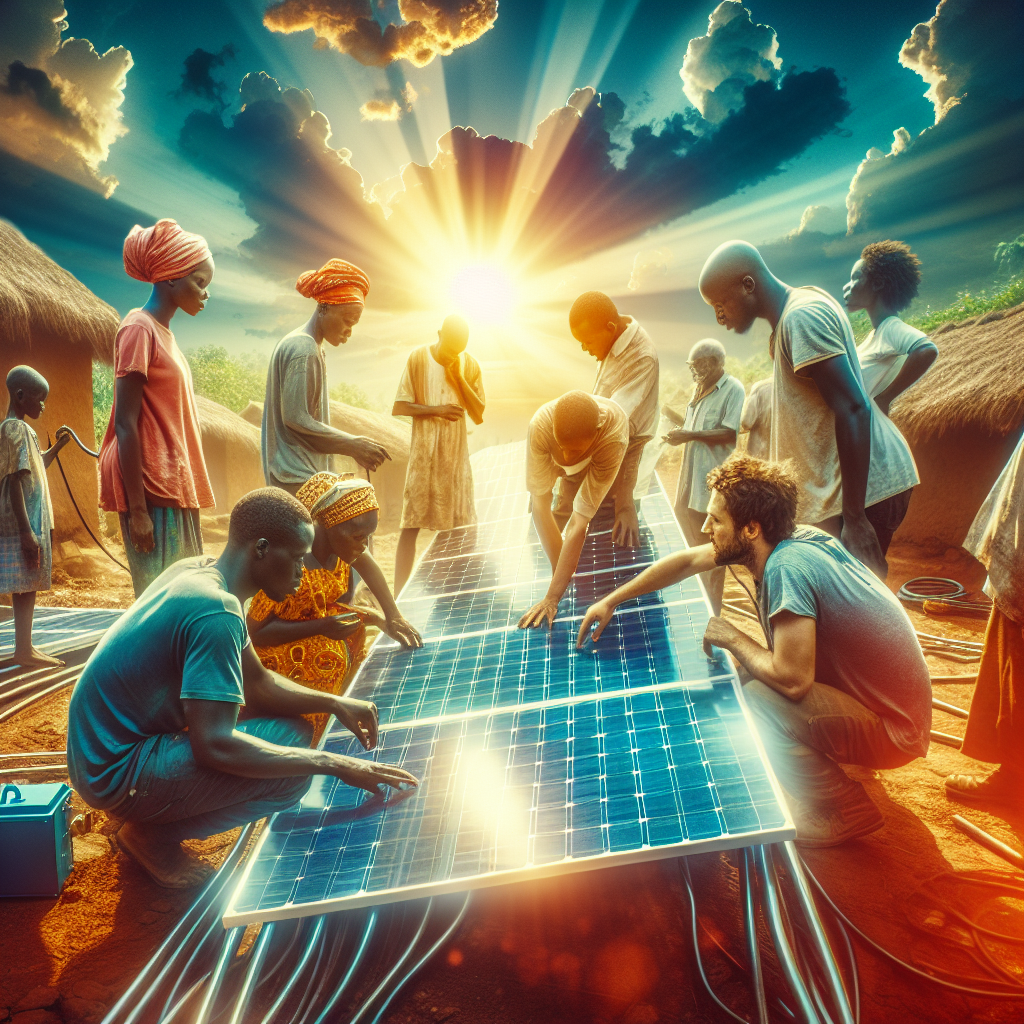
The company’s activities span the deployment of photovoltaic modules in both commercial and community-scale projects. By forging long-term partnerships with local and regional governments, NGOs, and energy authorities, LONGi has supported the installation of renewable infrastructure in areas that previously had limited or no access to electricity. This includes off-grid solar mini-grids for rural villages, solar panels for schools and health clinics, and large-scale solar farms designed to bolster national energy matrices.
Longi’s business model moves beyond simple product placement. For instance, instead of merely shipping solar panels to Africa, they invest in educational and vocational programs to nurture a new generation of solar technicians and installers. This dual focus on product and people ensures that projects are sustainable in every sense—not just environmentally, but also socially and economically.
Innovation and Community Impact
At the heart of LONGi’s African mission is the belief that innovation should serve communities. Their technical advances—especially in high-efficiency monocrystalline modules—mean higher yields, longer panel lifespans, and more robust energy output for African conditions, from desert heat to seasonal rains. However, the company also realizes that innovation is not solely achieved in laboratories but flourishes when paired with responsive community engagement.
For example, LONGi collaborates with local leaders to design energy systems that complement regional lifestyles and economic activities. In rural agricultural hubs, solar-powered irrigation schemes are enabling farmers to grow more, diversify crops, and extend harvest seasons. In urban centers, rooftop panels contribute to hospital resilience, mitigating frequent outages that previously threatened critical healthcare services.
This people-centered approach reverberates through employment. Solar projects have spurred job creation—from supply chain logistics to skilled maintenance roles—generating local income and easing migration pressures by providing incentives to stay and work in home communities. Long-term partnerships also encourage knowledge transfer, helping communities become self-sufficient energy stewards rather than perpetual aid recipients.
Challenges and Solutions
Operating in Africa’s fragmented energy landscape is not without its challenges. LONGi and its partners have encountered hurdles such as inconsistent regulatory environments, financing shortfalls, and at times, skepticism about new technologies. There’s also the logistical complexity of reaching remote or marginalized populations with physical infrastructure and ongoing support.
Yet, these challenges have bred creativity and resilience. LONGi addresses regulatory challenges by working closely with regional authorities to harmonize standards and simplify import or installation requirements. To tackle financing, they participate in blended financing schemes—combining public sector grants, concessional loans, and private investment—to lower upfront costs and support more communities.
Educational outreach is another cornerstone. By training local teams in the use and upkeep of solar systems, they ensure longevity and community buy-in. These trainings are often tailored to different groups—women, youth, and marginalized populations—amplifying social inclusion alongside environmental progress. Where skepticism exists, LONGi supports pilot programs and demonstration sites, allowing communities to see the tangible benefits before scaling up.
The Importance of Sustainability
Today, the call for sustainability echoes across industries, geographies, and generations. Corporate leaders are increasingly aware that future-proofing business means adopting practices that respect environmental limits, social realities, and economic aspirations.
Sustainability in Africa is particularly urgent. The continent is facing rapid urbanization, population growth, and the increasing impacts of climate change—heightening demand for resilient, renewable infrastructure. By mainstreaming renewable energy, LONGi not only contributes to climate action but also to a host of UN Sustainable Development Goals, including quality education, health, decent work, and reduced inequalities.
Research cited by outlets such as CNBC underscores that companies prioritizing sustainability often report stronger customer loyalty and long-term profitability. This is partially because today’s consumers—particularly Millennials and Gen Z—expect brands to take ownership of their environmental and social impact. In Africa, the effect of sustainability is palpable, with communities gaining not just cleaner energy but also dignity, opportunity, and hope for future generations.
Global Lessons From LONGi’s Example
LONGi’s African operations provide several takeaways for global audiences. First, the necessity of adapting solutions to local needs: technology transfer is most successful when stakeholders are empowered to shape projects from the beginning. Second, the importance of multi-sector partnerships, involving businesses, governments, civil society, and end users as equal collaborators. Third, the wisdom of embedding lifelong learning into every initiative, recognizing that innovation is a process, not an endpoint.
Their work also verifies that environmental commitments and economic objectives are not mutually exclusive. Through strategic, patient investment in renewable infrastructure, brands like LONGi can cultivate new markets, build global reputations as trustworthy partners, and contribute to the resilience and prosperity of some of the world’s most vulnerable communities.
Moreover, the LONGi Africa case crystallizes the role of business in advancing not just environmental, but holistic sustainable development—including social equity, knowledge sharing, and local capacity building. For brands everywhere, it’s a call to move from transactional interactions to transformative partnerships.
Actionable Steps for Brands
If you’re a sustainability-minded brand or organization eager to amplify your impact, consider these pragmatic steps modeled after LONGi’s African experience:
- Assess Your Impact: Conduct a comprehensive audit of your current environmental, social, and economic practices. Use resources like the Global Reporting Initiative to benchmark and track improvement areas.
- Set Clear, Contextualized Goals: Articulate bold, measurable sustainability targets tailored to your operational environment, drawing inspiration from both global best practices and local priorities.
- Engage Deeply With Communities: Go beyond check-the-box consultations. Build reciprocal relationships with community stakeholders, ensuring solutions are co-created, culturally sensitive, and genuinely address local aspirations.
- Invest in Renewable Energy: Prioritize transitioning to clean energy—whether through direct infrastructure projects, purchasing renewable power, or integrating solar into product and facility design.
- Communicate Transparently: Share your journey in honest, accessible ways. Report progress, setbacks, and lessons learned to customers, partners, and the wider public. Transparency builds trust and accountability, paving the way for broader impact.
- Foster Continuous Learning: Create opportunities for ongoing education—within your workforce, supply chain, and beneficiary groups. Stay abreast of technological developments, policy shifts, and emerging community needs.
- Leverage Partnerships and Networks: Collaborate with other organizations, public institutions, and local innovators. No sustainability journey is linear or solitary; alliances can accelerate scale and depth of impact.
- Pilot and Scale Responsibly: Start with demonstration projects that allow communities to experience benefits firsthand before wider rollouts. Collect feedback, iterate, and document outcomes—keeping user experience and adaptability at the core.
Summary
LONGi’s African adventure epitomizes what’s possible when a forward-looking company channels expertise, empathy, and innovation to address complex development challenges. Through solar power, education, partnership, and an unwavering commitment to sustainability, they light up more than homes or schools—they illuminate viable pathways for brands seeking to balance profit, purpose, and positive legacy.
As climate risks intensify and the sustainability imperative grows, the private sector’s role will only become more central. LONGi proves that with persistent creativity and respect for local realities, businesses can lead transformative change—creating value for shareholders, communities, and the planet at large.
FAQs
- What is LONGi’s main focus in Africa? LONGi’s primary mission is to expand access to reliable, affordable solar energy in African communities—particularly those outside traditional energy grids—by combining scientific innovation, local partnership, and capacity building.
- Why is sustainability important for businesses? Sustainability secures long-term brand reputation, attracts and retains customers, protects natural resources, and positions companies for resilience amid evolving market and regulatory pressures.
- How can brands start their sustainability journey? By assessing current practices, setting clear and locally informed goals, embracing renewal energy adoption, building substantial community relationships, and communicating openly about progress and challenges.
- What are the direct benefits of renewable energy in Africa? Clean, reliable energy powers vital services like education and healthcare, supports local economies, reduces fossil fuel dependence, and provides opportunities for vocational training and employment.
- How does LONGi involve communities in their projects? LONGi prioritizes inclusive design, participatory planning, and comprehensive training programs aimed at equipping local residents for installation, maintenance, and expanded employment.
Sources
- UNEP Case Study
- IEEE on Solar Energy
- CNBC on Sustainability
- Global Reporting Initiative