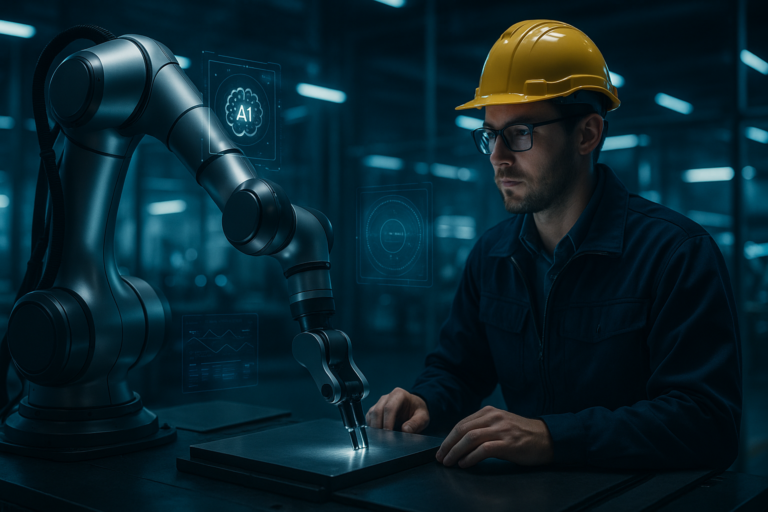
Rockwell Automation is making headlines with its plans to expand its manufacturing footprint in India. This move is not just a business decision; it reflects a broader trend of companies recognizing the potential of India as a manufacturing hub. I find it fascinating how such expansions can impact local economies, job markets, and even global supply chains. If you’re curious about what this means for the industry and how it could affect you, read on!
Table of Contents
- Introduction
- Rockwell Automation’s Expansion Plans
- The Importance of Manufacturing in India
- Impact on the Local Economy
- Workforce and Skilling Initiatives
- Global Supply Chain Implications
- Sustainability and Technology Adoption
- Summary
- FAQs
- Sources
Introduction
Rockwell Automation’s recent announcement about expanding its manufacturing operations in India is a significant development in the tech and manufacturing sectors. This initiative aims to enhance production capabilities and meet the growing demand for automation solutions. As someone who follows industry trends, I see this as a pivotal moment that could reshape the landscape of manufacturing in India. It’s not just about new factories or products—it’s about India’s emergence as a major node in the global value chain, and how companies are rethinking where and how they build the future.
Rockwell Automation’s Expansion Plans
Rockwell Automation is set to increase its manufacturing footprint in India, focusing on advanced technologies and automation solutions. This expansion is part of a larger strategy to leverage India’s skilled workforce and growing market. According to Business Standard, this move is expected to create numerous job opportunities and enhance local manufacturing capabilities. Rockwell is reportedly eyeing multiple cities, with plans not just for factory expansion, but also Research & Development (R&D) hubs, regional distribution centers, and advanced testing facilities.
For Rockwell, India has long been a vital market—not only as a source of talent, but as a rapidly growing domestic consumer base for industrial automation products. The expansion comes at a time when digital transformation, Industry 4.0, and the need for smart manufacturing solutions are high priorities for Indian manufacturers seeking to compete globally. By increasing its local capabilities, Rockwell aims to serve both Indian clients and international markets more effectively, applying the ‘think global, act local’ philosophy.
Analysts say Rockwell’s decision aligns perfectly with industry efforts to diversify supply chains in the wake of recent global disruptions, including the COVID-19 pandemic and geopolitical tensions. For Rockwell, producing more products locally can lead to reduced shipping times, lower costs, and the agility to respond rapidly to both domestic and international demand. Furthermore, this presence enables synergies between Rockwell’s various business units—control systems, software, safety components—and fosters closer collaboration with local partners.
Partnerships and Collaboration
One of the most intriguing aspects of this expansion is Rockwell’s stated intention to closely collaborate with Indian technology firms, universities, and startups. By fostering innovation ecosystems within India, Rockwell is helping to drive a culture of research and experimentation. Such collaborations serve as catalysts for developing next-generation automation technology and may even support the emergence of globally competitive Indian startups in adjacent verticals—robotics, data analytics, and artificial intelligence.
The Importance of Manufacturing in India
Manufacturing plays a crucial role in India’s economic growth. As of 2023, manufacturing contributed roughly 17% of India’s GDP, employing hundreds of millions directly and indirectly. A robust manufacturing sector is essential for providing mass employment opportunities and for moving India up the value chain. As companies like Rockwell Automation invest in manufacturing, they help position India as a competitive player in the global market. According to Reuters, the Indian government has been actively promoting initiatives like ‘Make in India’ to boost manufacturing and attract foreign investment. These initiatives offer incentives for local production, help simplify procedures, and are designed to foster innovation and sustainable growth.
India’s demographic dividend—its vast, youthful workforce—gives it a distinct advantage. With more than 60% of the population under the age of 35, the country has a labor pool ready for upskilling and employment in advanced manufacturing roles. The “Make in India” campaign aims to capitalize on this by creating 100 million additional manufacturing jobs by 2025 and raising manufacturing’s share of GDP to 25%. Rockwell’s expanded presence sends a strong signal of confidence in the Indian government’s vision, and may inspire other multinationals to follow suit.
Manufacturing in India is not just about large metropolitan centers. Many industrial corridors are being developed outside established hubs like Mumbai and Bangalore—in states like Tamil Nadu, Gujarat, and Andhra Pradesh—fueling the transformation of Tier 2 and even Tier 3 cities. This decentralized growth is critical for balanced economic development, reducing pressure on megacities while improving infrastructure and living conditions across the country.
Impact on the Local Economy
The expansion of Rockwell Automation is likely to have a positive ripple effect on the local economy. Increased manufacturing activity can lead to:
- Job Creation: Direct jobs in factories, R&D, and services; indirect jobs throughout supply chains—logistics, construction, catering, and more. Rockwell’s hiring could prioritize local communities, women, and underrepresented groups, aligning with wider corporate social responsibility (CSR) themes.
- Skill Development: Upskilling programs and technology transfer initiatives are often part of such expansions. Employees gain valuable experience with the latest automation, robotics, software, and quality management tools—skills that are in global demand.
- Infrastructure Development: New hubs attract investments in roads, power, water, housing, and telecommunications. Governments and private partners may collaborate to develop sustainable infrastructure, benefitting both businesses and residents.
- Increased Local Revenue: As employees earn more, they spend more on goods and services, fueling GDP growth. Local suppliers benefit from increased demand for materials, components, and logistics services.
- Technology Transfer: Local engineers and managers collaborating with global experts gain valuable expertise in systems integration, process optimization, and digital transformation.
It’s also worth noting the potential for community empowerment. As more companies establish operations in India, local communities may experience enhanced access to education, healthcare, and technology platforms, thanks to public-private partnerships and CSR programs. Companies like Rockwell often invest in local STEM (science, technology, engineering, mathematics) programs, scholarship funds, and entrepreneurship training, fostering inclusive growth.
Workforce and Skilling Initiatives
A successful manufacturing expansion isn’t just about machines—it’s about people. As India shifts from labor-intensive to technology-intensive manufacturing, the demand for advanced skills soars. Rockwell Automation, known for its investments in workforce development globally, is expected to ramp up training programs in robotics, artificial intelligence, systems integration, and data analytics.
Industry collaboration with vocational institutes, technical universities, and skill development councils is central to this approach. Programs might include apprenticeships, internships, certification courses, and on-the-job training. Already, Rockwell has launched several such collaborations in other countries—for example, in the USA and Europe, it runs scholarship and internship programs in automation and process control. Bringing such initiatives to India can turbocharge the homegrown talent pipeline, ensuring workers are not just factory-ready, but future-ready for Industry 4.0 jobs.
Moreover, digital tools—like e-learning platforms and AR/VR (augmented/virtual reality) training modules—expand access to quality technical education in both urban and rural regions. Upskilled Indian workers are poised to find opportunities not just with Rockwell, but across the entire automation, electronics, and software industries—further strengthening the nation’s competitive edge. Employers also benefit from a more adaptable, agile, and innovative workforce.
Global Supply Chain Implications
Rockwell’s expansion is not just about local benefits; it has implications for global supply chains as well. Modern supply chains are complex, multi-layered webs stretching across continents. Recent years have demonstrated how vulnerable they can be to disruptions—from pandemics and geopolitical conflicts to natural disasters and trade restrictions.
By increasing its manufacturing capacity in India, Rockwell can enhance its responsiveness to market demands and reduce lead times. Manufacturing products closer to customers in Asia, the Middle East, and Europe can help the company mitigate shipping bottlenecks and tariff risks. This shift is particularly important in today’s fast-paced market, where agility is key. As TechCrunch highlights, companies are increasingly looking to diversify their supply chains to mitigate risks. India, with its massive scale and improving logistics infrastructure (ports, highways, air cargo, rail networks), is emerging as a preferred destination for nearshoring and friendshoring strategies.
Further, local manufacturing often supports greater supply chain transparency and resilience. With advanced traceability tools and digital twin technologies, Rockwell can monitor real-time data from suppliers, warehouses, and production lines. This enables faster response to changing customer orders, regulatory updates, and market conditions. The result: a more robust, flexible, and sustainable global operation.
It’s also possible that India could serve as a launchpad for Rockwell’s entry into new high-growth markets, such as Southeast Asia and Africa, where urbanization and industrialization are progressing at pace. By localizing R&D and production, Rockwell can create solutions that are tailored to the specific needs, price points, and regulatory requirements of diverse customer bases. This is vital for sustained global competitiveness.
Sustainability and Technology Adoption
Modern manufacturing isn’t just about productivity—sustainability is a growing imperative. India, as a signatory to the Paris Agreement, has set ambitious decarbonization targets. For companies like Rockwell Automation, the future lies in green manufacturing: energy-efficient operations, minimized carbon footprints, and circular economy principles.
Rockwell is known for providing automation solutions that help customers reduce energy consumption, optimize resource utilization, and meet stringent environmental standards. As it expands in India, the company is likely to champion sustainable practices at new and existing facilities. Factories may feature:
- Solar and renewable energy systems
- Smart buildings for water management, emissions reduction, and waste recycling
- Real-time environmental monitoring and reporting tools
Further, technology adoption is accelerating across Indian industry. As digital twins, IIoT (Industrial Internet of Things), cloud-based manufacturing, cyber-physical systems, and advanced analytics become mainstream, Rockwell’s partnership with Indian customers could drive a wave of smart factory transformations. The benefits reach far beyond efficiency: digitally enabled plants are safer, more sustainable, and more attractive to younger generations of workers who prefer high-tech work environments.
Companies investing in ESG (Environmental, Social, and Governance) best practices tend to outperform their peers over the long term. As Rockwell strengthens its position in India, its commitment to sustainability and responsible business can set new industry benchmarks, inspiring others to follow.
Summary
Rockwell Automation’s ambitious plans to expand its manufacturing footprint in India represent more than just another foreign investment—they are a beacon for the country’s ongoing industrial transformation. This move aligns seamlessly with India’s broader national goals of enhancing manufacturing, creating jobs, skilling the workforce, and attracting foreign investment. It will likely drive innovation, foster technology transfer, and set new standards for sustainable manufacturing. As we look ahead, the impacts on job creation, local communities, talent development, and global supply chains will be exciting to watch. For India and Rockwell alike, this could mark the beginning of a new era of collaboration and growth in the global automation landscape.
FAQs
- What is Rockwell Automation? Rockwell Automation is a global leader in industrial automation and information technology, providing hardware, software, and services for next-generation manufacturing and process industries.
- Why is manufacturing important for India? Manufacturing contributes significantly to India’s GDP and employment, helping to drive wider economic growth, create jobs, and boost innovation capacity.
- How will Rockwell’s expansion affect local communities? The expansion is expected to directly and indirectly create jobs, improve skilling and training programs, and accelerate infrastructure development and community wellbeing via public-private partnerships.
- What are the global implications of this expansion? It enhances supply chain resilience, reduces response times and costs for international customers, and positions India as a crucial partner in diversified global value chains.
- Will Rockwell focus on sustainable production? Sustainability is a core component of Rockwell’s operations. New facilities are likely to incorporate energy-efficient design, digital environmental controls, and best practices for resource conservation.
- Who benefits besides Rockwell and its employees? Local suppliers, technology partners, universities, logistics providers, and nearby communities all stand to benefit—through value creation, capacity building, and shared prosperity.
- How can local job seekers and startups take part? Watch for announcements about job fairs, partner programs, innovation challenges, and skill development initiatives co-hosted by Rockwell, government agencies, and academic institutions.