As the demand for data centers continues to rise in our hyper-connected, digital-first world, contractors must evolve rapidly to deliver increasingly complex projects on time and within budget. The answer for many is artificial intelligence: I find it fascinating—and genuinely inspiring—how AI-driven workflows are not just streamlining but revolutionizing the construction landscape, particularly within the mission-critical sector of data centers. In this blog, I’ll take you deep into the ways contractors are deploying AI, the impact on efficiency, cost, and quality, and why an AI-focused approach is essential for staying ahead in this transformative era.
Table of Contents
- Understanding AI-Driven Workflows
- The Importance of AI in Construction
- How AI Is Being Used in Data Center Projects
- Major Benefits of AI in Data Center Construction
- Actionable Steps for Contractors
- Practical Challenges and Considerations
- The Future of Data Centers
- Summary
- FAQs
- Sources
Understanding AI-Driven Workflows
What exactly do we mean when we refer to AI-driven workflows in construction? Essentially, AI workflows employ artificial intelligence technologies—machine learning, computer vision, natural language processing, and more—to automate and optimize various phases of construction. These workflows can touch every stage of the process, including:
- Design and Planning: AI tools generate planning scenarios, optimize designs, analyze site data, and even identify constructability issues before ground is broken.
- Scheduling and Sequencing: AI models propose optimal project schedules, predicting delays, bottlenecks, or labor/resource shortfalls.
- Procurement and Supply Chain: AI can forecast material needs, track deliveries, and optimize purchasing based on global supply chain data.
- Quality and Safety Assurance: Computer vision systems survey job sites in real time, flagging hazards or quality control concerns automatically.
- Facilities Management: After construction, AI-driven analytics support ongoing performance monitoring and preventative maintenance for mission-critical equipment.
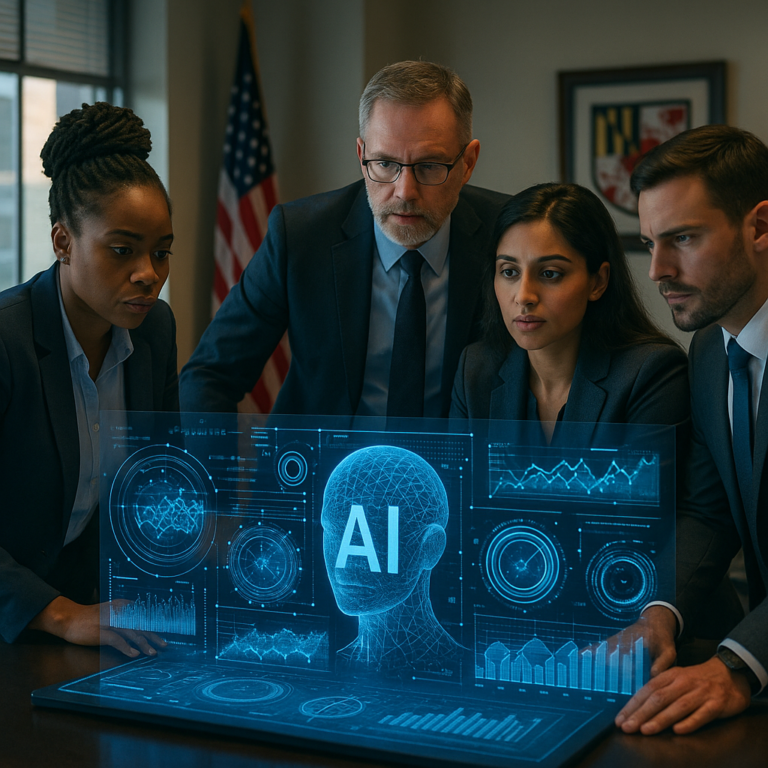
By leveraging real-time data—from IoT sensors, drones, enterprise software, and even weather feeds—AI-driven processes turn complex projects like data center builds into data-rich environments ripe for continuous improvement. The ability to analyze millions of variables simultaneously gives project managers superhuman oversight, supporting informed decisions faster than ever before.
The Importance of AI in Construction
Construction is notorious for cost overruns, project delays, and productivity gaps. According to Automation.com, the industry’s margins have long lagged behind those of manufacturing, aviation, and automotive sectors. Yet, data center projects—and the mission-critical infrastructure they support—demand exceptional precision and speed. Why is AI so vital here?
- Scale: Modern data centers are vast, complex facilities with unique demands for power, cooling, physical security, and redundancy. Human oversight alone can easily become overwhelmed.
- Speed: Data center users (big tech firms, cloud providers, enterprises) expect rapid delivery—often within months, not years.
- Innovation: Demand for server space is outpacing supply, driving a need for faster, more flexible builds. Traditional approaches often can’t keep up.
Enter AI-driven workflows: these not only shrink project timelines but can also cut waste, improve safety, and enhance overall quality. According to the McKinsey Global Institute, platforms that deploy AI and data analytics can boost productivity by up to 50% and reduce costs by as much as 20% on large projects. The potential is even greater in an industry where margins and deadlines are non-negotiable.
How AI Is Being Used in Data Center Projects
Let’s dig deeper into real-world applications of AI in data center construction and delivery:
- Predictive Scheduling & Labor Management: AI models can simulate project schedules under varying scenarios, identifying potential shortfalls and automatically reallocating resources to avoid bottlenecks. This is invaluable for trades where specialized labor is scarce.
- Generative Design: AI-driven platforms automatically propose new, more efficient layouts for data center racks, electrical runs, cooling systems, and cable trays—delivering cost and energy savings without sacrificing resilience.
- Supply Chain Optimization: By mining historical ordering data and supplier performance, AI predicts material needs, even factoring in global shipping delays or regional shortages. Automated procurement workflows ensure that critical components arrive just when needed—neither too early (tying up capital and storage) nor too late (causing costly downtime).
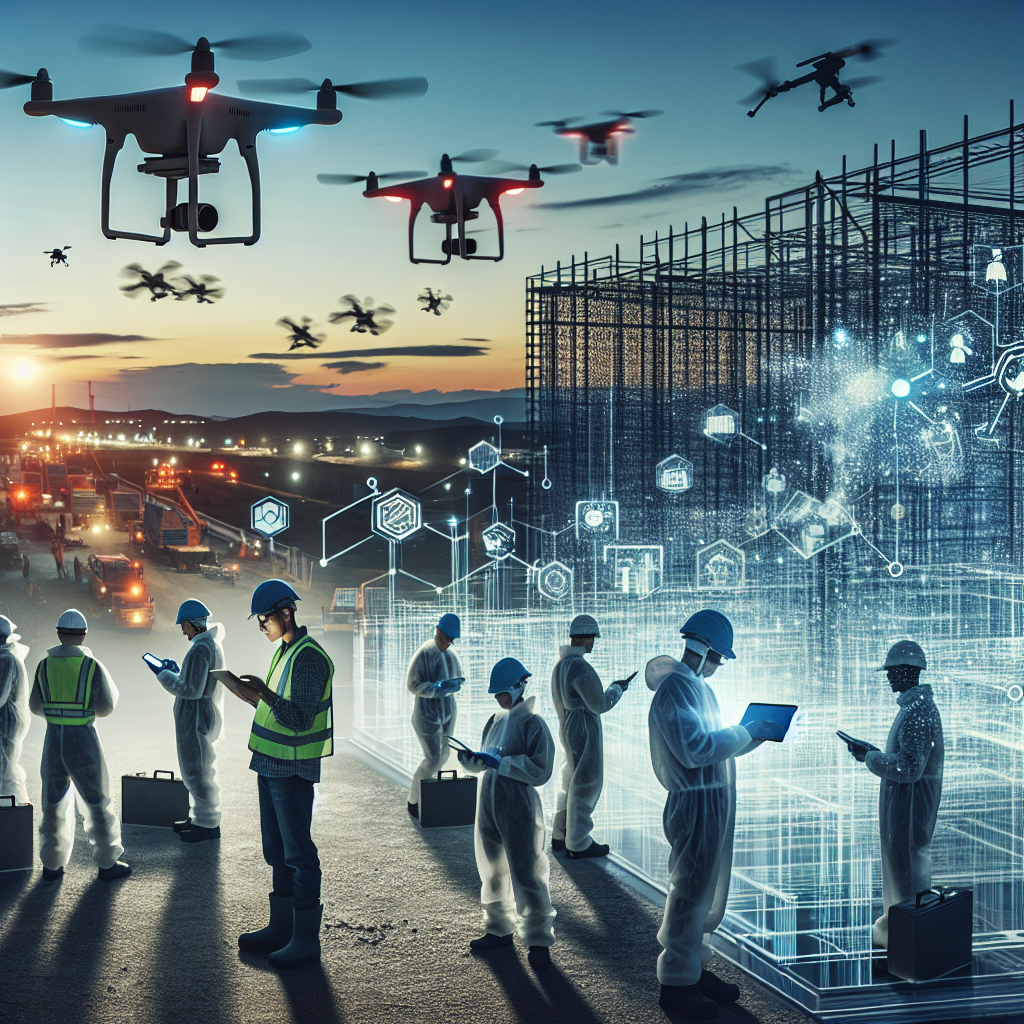
- Jobsite Monitoring: Builders deploy computer vision via cameras or drones to scan for real-time safety hazards (like workers not wearing hard hats), track progress, validate work against digital plans, and prevent unauthorized site intrusion.
- Virtual Construction & Clash Detection: AI can instantly compare BIM (Building Information Modeling) files with physical site conditions—even flagging when installed components diverge from digital specifications, or when various trades are at risk of interfering with each other’s work.
- Energy Modeling & HVAC Optimization: Since data centers devour enormous amounts of electricity, AI can model multiple energy usage scenarios, recommend the ideal locations for HVAC units, and optimize airflow configurations before installation, saving millions over the lifetime of a facility.
Each of these applications reduces risk, increases transparency, and ultimately leads to smarter delivery of data center facilities.
Major Benefits of AI in Data Center Construction
Why are so many contractors investing heavily in AI-driven workflows? Here are the core advantages, with a focus on their impact in data center projects:
- Unprecedented Efficiency: AI dramatically shortens typical project timelines, shaving weeks or even months off construction schedules.
- Cost Reduction: Optimizing schedules, labor, materials, and energy consumption can save millions of dollars, especially on projects where margins are slim and overruns are disastrous.
- Enhanced Safety: Real-time jobsite monitoring powered by computer vision and predictive analytics helps reduce accidents, improving safety for everyone on site.
- Higher Quality Assurance: Constant monitoring and automated inspections mean defects or deviations from spec are caught immediately, not after completion.
- Increased Transparency: Stakeholders—from clients to subcontractors—gain real-time visibility into the project’s progress, risks, and quality benchmarks.
- Scalability: AI systems, once trained, can be deployed across many projects, enabling organizations to scale up their mission-critical construction programs rapidly.
Ultimately, these benefits add up to faster project delivery, lower overhead, and data centers that are safer to build and maintain.
Actionable Steps for Contractors
If you’re a contractor (or work at a construction firm) and want to ride the AI wave to stronger performance, here are concrete actions you can take:
- Assess Your Digital Maturity: Begin by evaluating your firm’s current adoption of digital tools like BIM, enterprise resource planning, and project management software. Robust data infrastructure is the backbone of effective AI workflows.
- Identify Target Use Cases: Don’t try to AI-everything right away. Focus on high-impact, pain-point areas first—like schedule optimization, procurement, or jobsite safety. Consult internal and external experts to map opportunities and risks.
- Invest in Training and Upskilling: The best AI tools are only as good as the people using them. Plan regular upskilling for project managers, estimators, and field supervisors; seek partnerships with technology providers and higher education.
- Choose Scalable AI Platforms: Select solutions that integrate well with your current workflows and can scale as your data and project complexity grow. Industry news sources like TechCrunch provide insight into emerging technologies and vendor options.
- Pilot and Iterate: Start with pilot projects, measure outcomes, solicit feedback, and refine your approach before rolling out AI-driven workflows enterprise-wide. Track ROI on speed, cost, safety, and client satisfaction.
- Monitor Performance and Evolve: Even the best AI models require fresh data and periodic tuning to remain effective as project conditions evolve. Make ongoing improvement a priority.
Remember: successful AI deployment isn’t just about technology—it’s about people, process, and culture. Foster an environment that encourages experimentation and continuous learning.
Practical Challenges and Considerations
The shift to AI-driven construction workflows is not without risk or friction. Contractors and their clients need to consider:
- Data Privacy and Security: Construction projects generate sensitive client and employee data. Make sure your AI partners can guarantee security and compliance.
- Change Management: Resistance from staff used to traditional methods can stall adoption. Ongoing training and clear demonstration of value is key.
- System Integration: New AI tools must work seamlessly with your existing software stack—otherwise data silos can undermine benefits.
- Regulatory Compliance: Especially important for mission-critical facilities like data centers, where uptime and safety are paramount.
Anticipating these challenges up front can help smooth your transition to an AI-driven future.
The Future of Data Centers
The pace of AI innovation in construction suggests that even greater transformations are on their way. What might the next wave bring for those building our data infrastructure?
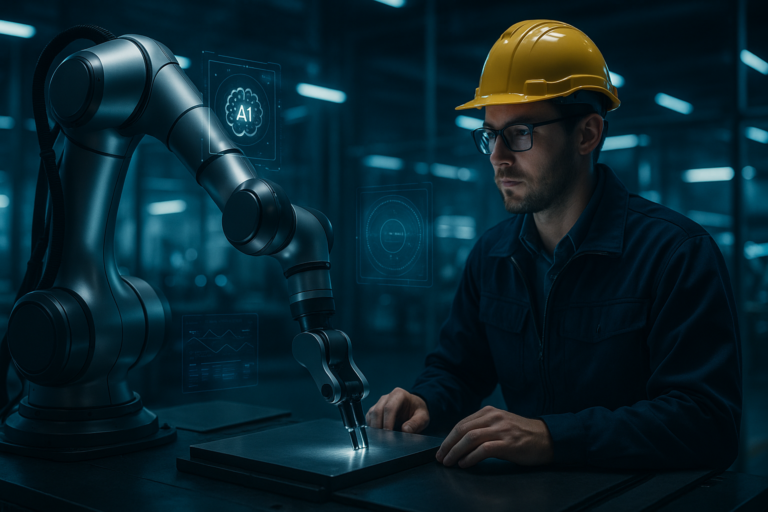
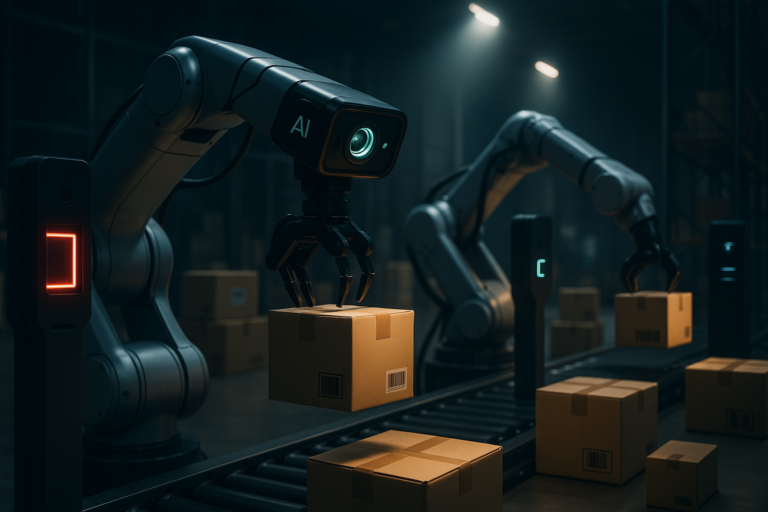
- Automated Robotics: As AI-powered robots become more versatile and affordable, tasks like concrete pouring, heavy lifting, and repetitive installation work can be done faster, safer, and around the clock.
- Advanced Predictive Analytics: Fusing AI with sensor data, IoT devices, and weather forecasting, next-generation models will pinpoint exact probabilities for delay or equipment failure—giving project managers a true “crystal ball.”
- Digital Twins: Entire data centers could be virtually modeled in real time, letting teams monitor construction and operations simultaneously, identify inefficiencies, and remotely control systems for optimal performance.
- Green and Sustainable Construction: AI will further help cut emissions and material waste, supporting the rapid shift to net-zero carbon data centers through smart design, energy modeling, and lifecycle optimization.
Staying ahead of these trends will be essential for contractors aiming to remain competitive and relevant in tomorrow’s digital economy.
Summary
In summary, AI-driven workflows are more than just a trend—they’re rapidly becoming an industry standard in data center construction. By automating complex coordination, enhancing efficiency, and cutting costs, AI tools enable contractors to meet the rising demand for world-class digital infrastructure. Those who invest now in skills, tech, and cultural change will be best positioned as the sector continues its explosive growth. The future is here: it’s intelligent, connected, and powered by artificial intelligence.
FAQs
- What are AI-driven workflows? AI-driven workflows use artificial intelligence, machine learning, and advanced analytics to automate, improve, and manage complex construction processes—including design, scheduling, procurement, safety, and quality control.
- How can contractors implement AI? Contractors should begin by assessing current digital maturity, identifying use cases, training staff, choosing scalable platforms, piloting initiatives, and incorporating regular feedback for continuous improvement.
- What is the future of data centers? The future of data centers lies in further AI integration, expanded use of robotics, predictive analytics, digital twin technology, and sustainability practices—delivering safer, smarter, greener facilities at record speeds.
Sources
- Automation.com
- TechCrunch
- Construction Owners Club
- McKinsey Global Institute