As industries evolve, the integration of technology becomes essential for efficiency and productivity. One of the most exciting advancements is the rise of custom drones in industrial automation. The increasing demand for specialized technological solutions has led to an impressive upsurge in custom drone applications—a clear sign that this trend is more than just a passing phenomenon. This article explores how these versatile machines are reshaping various sectors and why they are poised to transform the future of industrial work as we know it.
Table of Contents
- Introduction
- What Are Custom Drones?
- Benefits of Custom Drones in Industry
- Expanded Real-World Use Cases
- Applications of Custom Drones
- Challenges and Considerations
- The Future of Custom Drones
- Summary
- FAQs
- Sources
Introduction
Custom drones are becoming integral to industrial automation, offering unique solutions tailored to specific operational requirements. Today, industries ranging from agriculture and construction to energy and logistics are turning to tailor-made drone systems to revolutionize their workflows. As someone fascinated by technology’s rapidly expanding role in our daily lives, I find it remarkable how custom drones can enhance efficiency, reduce operational risks, and generate unprecedented data insights. In this article, I’ll dive deep into what custom drones are, the ways they’re being integrated into industries, the benefits and obstacles to their deployment, and what the near future holds for this transformative technology.
What Are Custom Drones?
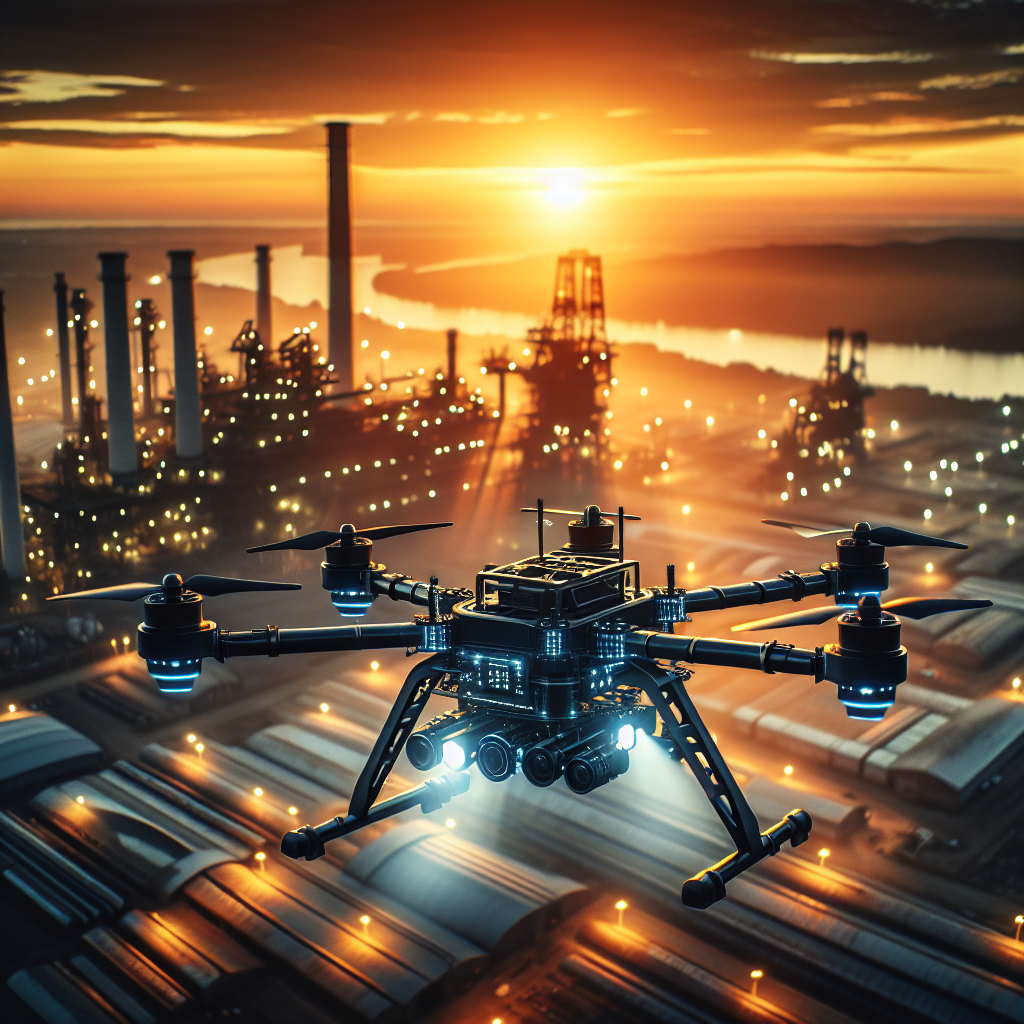
Custom drones—sometimes called bespoke UAVs (unmanned aerial vehicles)—are remotely piloted or autonomous aircraft built or modified to meet very specific user needs. Unlike standard consumer or even commercial drones, custom drones can feature a wide array of specialized hardware and software. These range from multispectral imaging devices for precision farming to LiDAR sensors for 3D mapping, enhanced GPS modules for high-accuracy survey work, specific payload mechanisms, or integrated AI modules for real-time analytics.
Imagine a mining company needing real-time volumetric analysis of material stockpiles—basic camera drones can’t provide the precise data required. A custom drone, fitted with a top-end LiDAR scanner, advanced navigation systems, and specialized onboard software, can deliver tailored results in a matter of hours. This high degree of customization means drones are no longer just aerial cameras but sophisticated, industry-focused workhorses capable of replacing or augmenting entire teams of ground workers.
Benefits of Custom Drones in Industry
Deploying custom drones in industrial automation introduces multiple core benefits that can significantly enhance operational outcomes:
- Increased Efficiency: Custom drones can be precisely programmed to carry out repetitive and complex tasks autonomously. For example, an agricultural drone tailored for crop monitoring can scan thousands of acres with pinpoint accuracy in a fraction of the time it would take a ground team.
- Cost Savings: Although the upfront investment in a custom drone can be considerable, the reduction in labor costs, quicker project turnaround, decreased downtime, and fewer errors contribute to substantial savings over the lifecycle of an industrial operation.
- Enhanced Data Collection: Drones equipped with specialized sensors can collect high-resolution, georeferenced datasets, thermal and multispectral imagery, real-time video feeds, and 3D point clouds—often more accurately and comprehensively than traditional manual or manned aerial approaches.
- Improved Safety: By sending drones into hazardous areas—such as high-voltage electrical substations, unstable mine shafts, or disaster zones—companies minimize direct human exposure to danger, drastically lowering the incidence of workplace injuries and fatalities.
- Reduced Environmental Impact: Drones typically have a much smaller carbon footprint compared to traditional inspection vehicles or manned aircraft, supporting companies’ environmental and sustainability goals.
These benefits underscore why businesses are increasingly investing in custom drone technology as an innovation driver and a risk-reduction asset.
Expanded Real-World Use Cases
Beyond common applications like photography or basic inspection, custom drones excel when deployed for advanced, data-driven, and mission-critical industrial operations:
- Utilities & Infrastructure: Major electric utilities now deploy custom drones capable of carrying powerful zoom cameras and infrared sensors to inspect power lines and substations. Drones can autonomously map miles of transmission lines, identify hotspots that signal potential equipment failure, and flag vegetation encroachment without a single worker scaling a pole or tower.
- Oil & Gas: In the oil and gas sector, custom UAVs equipped with gas sniffers and thermal sensors monitor miles of pipelines for leaks, corrosion, or unauthorized construction. This automation not only ensures regulatory compliance but also enables rapid response to incidents, reducing environmental harm and liability costs.
- Mining Operations: Custom-built heavy-lift drones can ferry samples, survey difficult terrain, and provide real-time aerial mapping of excavation sites. Some are integrated with robotic arms or payload drop mechanisms for product delivery in remote or hazardous locations.
- Disaster Response: Emergency response teams use rugged, all-weather drones custom-built for search and rescue missions. These UAVs are equipped with infrared/thermal sensors, loudspeakers, and drop mechanisms to deliver two-way radios, medical kits, or other emergency supplies into inaccessible disaster zones.
Applications of Custom Drones
Custom drones are increasingly applied across an astonishingly wide variety of industries, transforming operations with their adaptability and intelligence. Here are some of the most impactful sectors:
- Agriculture: The agricultural sector has seen a technological revolution with the use of custom drones. High-tech UAVs can analyze fields using multispectral cameras, manage irrigation with real-time data, distribute seeds, or apply fertilizers and pesticides with surgical precision. The ability to map crop health, track growth patterns, and detect pest infestations has driven significant yield improvements and reduced environmental impact by limiting chemical use only to needed areas.
- Construction: Drones are invaluable for construction planning, progress monitoring, and structural inspection. Drones fitted with high-resolution 3D mapping capabilities and photogrammetry software generate detailed site maps, calculate earthmoving volumes, and even simulate how new structures will interact with landscapes. This real-time data supports project managers in keeping builds on schedule and within budget.
- Energy: Custom drones in the energy sector have revolutionized how companies manage both renewable and non-renewable assets. Wind farm operators deploy drones for blade inspections, using computer vision algorithms to detect minute cracks or erosion. Solar companies use UAVs to pinpoint malfunctioning panels in large arrays. And in hazardous refinery environments, drones can visually inspect flares, chimneys, and tanks—usually without any plant downtime.
- Logistics and Delivery: Forward-thinking logistics companies and online retailers are piloting or have launched custom drone delivery programs. Whether it’s medicines to remote clinics or critical supplies to disaster-stricken regions, custom-designed cargo drones solve the last-mile delivery challenge where road infrastructure is lacking or dangerous.
- Environmental Monitoring: Environmental scientists use drones to track animal migrations, monitor deforestation, detect illegal poaching, and evaluate the impact of climate change. Custom UAVs can carry air and water quality sensors into locations previously too expensive or risky to monitor regularly, yielding valuable long-term datasets for research and policy.
- Warehouse Automation: Some advanced fulfillment centers use indoor drones to conduct inventory checks. Custom indoor UAVs can autonomously fly down aisles after hours, scanning barcodes and providing up-to-the-minute inventory snapshots—dramatically reducing manual labor and errors.
These examples demonstrate the almost limitless potential for custom drones to reshape the traditional functions of nearly every industrial sector.
Challenges and Considerations
While the rewards of integrating custom drones into industrial automation are significant, they come with a unique set of challenges and critical considerations that businesses must carefully address:
- Regulatory Compliance: Global aviation authorities (such as the FAA in the US and EASA in the EU) have strict regulations governing where, how, and by whom drones may be operated—especially for commercial purposes. These rules evolve quickly, meaning compliance is a moving target that requires diligent monitoring and legal guidance.
- Technical Expertise: Building, programming, maintaining, and operating advanced custom drones requires specialized knowledge in robotics, electronics, aerodynamics, and data analytics. Many organizations must invest in intensive training for staff or hire external UAV pilots, data analysts, and drone maintenance technicians.
- Initial and Ongoing Investment: Custom drones, particularly those employing advanced sensors and AI, represent a significant upfront cost. In addition, businesses should factor in the expenses associated with maintenance, software updates, insurance, and periodic pilot training to avoid costly accidents or breakdowns.
- Cybersecurity and Data Privacy: With drones collecting vast amounts of sensitive data, ensuring this information is securely transmitted, stored, and processed is critical. Companies must implement robust cybersecurity protocols to prevent hacking, data breaches, or loss of intellectual property.
- Environmental Conditions: Not all drones are created equal. Mission profiles conducted in high winds, extreme heat, heavy precipitation, or low-light environments require customizations for airframe durability, avionics reliability, and sensor shielding.
- Social Acceptance and Workforce Adaptation: As drones increasingly take on roles once performed by humans, some communities may resist the shift. Transparent communication, reskilling programs, and clear safety protocols are essential to gaining stakeholder buy-in and fostering a culture of innovation.
By proactively addressing these hurdles, organizations can unlock the full potential of custom drone technology while minimizing risks and ensuring smooth operational integration.
The Future of Custom Drones
The future of custom drones is brimming with promise, fueled by advances in both hardware and software. As battery and propulsion technologies evolve, flight times and payload capacities are increasing. The integration of AI and edge computing means drones can now analyze complex data streams and make decisions autonomously while still in flight. This paves the way for more intelligent, self-coordinating swarms of drones capable of handling large-scale industrial tasks without direct human oversight.
Anticipated trends and breakthroughs include:
- Greater Autonomy: Autonomous drones will soon complete routine inspections, deliveries, or monitoring missions end-to-end—checking in with supervisors only in the case of anomalies or emergencies.
- Swarm Technology: Multiple custom drones, coordinated by AI, will collaborate on complex missions—like replanting forests, mapping disaster zones, or managing smart infrastructure assets—far more effectively than individual UAVs.
- Advanced Materials and Modular Design: Lighter, stronger materials will allow for both more durable and more efficient drones. Modular designs will let operators change out payloads or sensors quickly, essentially transforming a single drone into a multi-tool for various tasks.
- Integration with IoT and Digital Twins: Drones will plug seamlessly into Industrial Internet of Things (IIoT) networks, feeding real-time sensor data into digital twins that virtually represent and simulate physical assets. This will drive predictive maintenance and sophisticated asset management.
- Regulatory Progress: As authorities see the benefits of safe, well-regulated drone use, we can expect clearer guidelines for automated flight, beyond visual line-of-sight operations, and urban air mobility—all of which will allow for broader and more innovative drone applications.
With these shifts on the horizon, industrial players who strategically invest in custom drone solutions now will almost certainly enjoy a competitive edge in the rapidly evolving market.
Summary
Custom drones are revolutionizing industrial automation by providing industry-specific solutions tailored to the most challenging real-world problems. By combining adaptable hardware, advanced software, and intelligent data capture, custom drones offer unmatched operational efficiencies, safety improvements, and long-term cost savings. As their applications and technical sophistication expand, the obstacles to adoption—from regulatory complexity to skills gaps—are being systematically addressed by both industry and government. There’s little doubt: custom drones are rapidly becoming an essential technological cornerstone for modern, data-driven, and sustainable industry.
FAQs
- What industries can benefit from custom drones? Virtually any industry that relies on data collection, asset management, inspections, or remote delivery can benefit from custom drones—including agriculture, construction, logistics, energy, mining, utilities, emergency response, and scientific research.
- Are custom drones expensive? While the initial investment into custom drone technology can be significant, the long-term operational savings, increased productivity, and improved safety can offset these costs and often provide a substantial return on investment.
- Do I need special training to operate a custom drone? Yes, operating custom drones—especially those equipped with advanced sensors or intended for critical missions—typically requires specialized training. Most countries mandate that commercial UAV pilots pass certification courses, and specific missions may require even more extensive technical knowledge.
- What’s the difference between a custom drone and a commercial drone? Commercial drones are often standardized, mass-produced models designed for general tasks, while custom drones are tailored—either through modifications or from scratch builds—to meet unique and exacting operational requirements. This customization covers everything from flight endurance and payload to data analytics and integration with factory or enterprise systems.
- What are the risks of using drones in industrial automation? The main risks include regulatory compliance issues, cybersecurity threats, operational hazards due to equipment failure, and gaps in personnel expertise. These risks can be managed through robust protocols, regular training, and choosing trusted technology vendors.