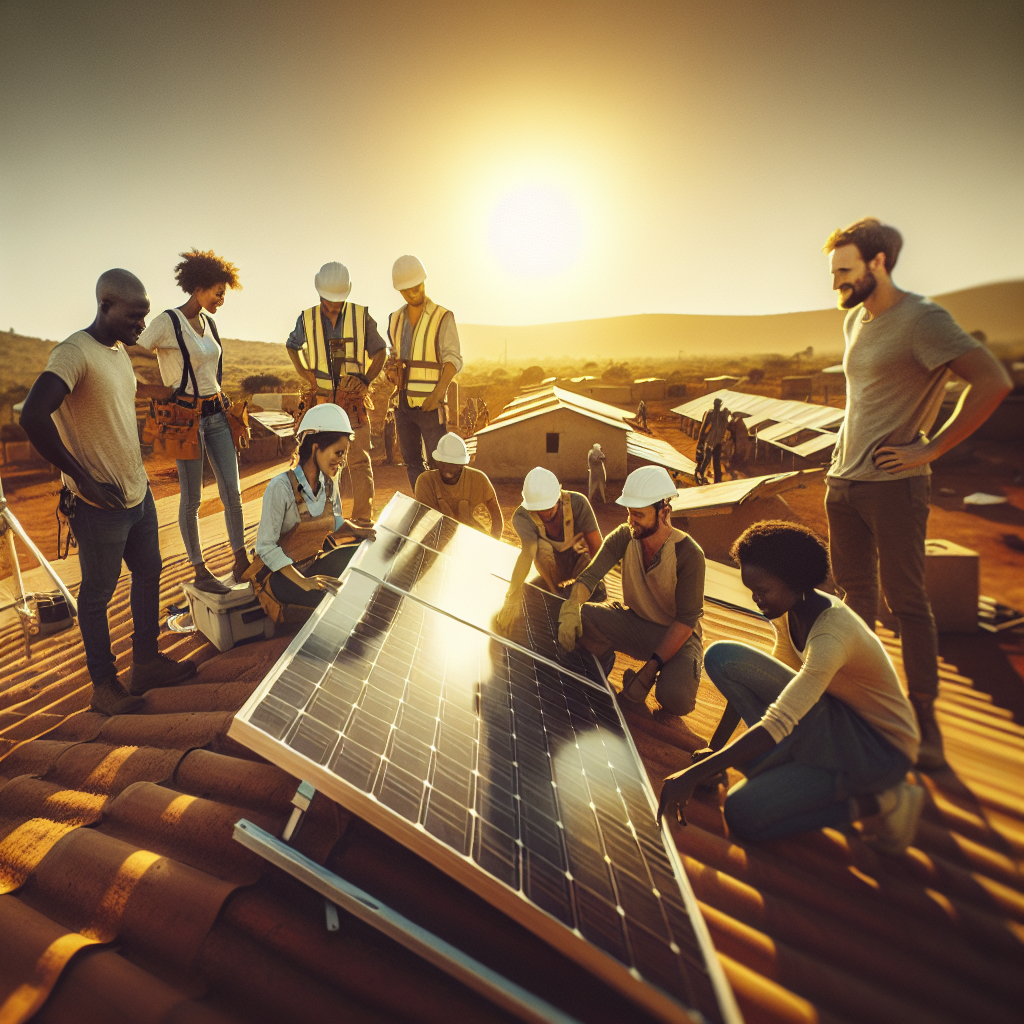
In today’s world, sustainability is more than just a buzzword; it’s a necessity. I recently came across an interesting article about LONGi’s activities in Africa, which have been recognized as a sustainable brand case study by the United Nations Environment Programme (UNEP). This recognition highlights the importance of sustainable practices in the solar energy sector and serves as an inspiration for other companies. In this blog, I’ll explore the significance of LONGi’s efforts and what we can learn from them through a comprehensive lens.
Table of Contents
- Introduction
- LONGi’s Impact in Africa
- Sustainability Challenges and Opportunities in Africa
- Renewable Energy Transformation in Africa
- The Importance of Sustainability in Business
- Deep Dive: LONGi’s Flagship Projects in Africa
- Collaborative Efforts and Community Involvement
- Actionable Steps for Companies
- Summary
- FAQs
- Sources
Introduction
As I reflect on the growing importance of sustainability, I find it inspiring to see companies like LONGi leading the way in Africa. Their approach not only addresses urgent energy needs in underserved regions but also champions environmental stewardship and social progress. Understanding their strategies can provide valuable insights and guidance to businesses aiming to make a positive impact, foster resilience, and thrive in a changing global landscape.
LONGi’s Impact in Africa
LONGi Green Energy, a global leader in solar technology, has made significant strides in Africa’s renewable energy landscape. Their projects focus on providing affordable, reliable, and sustainable solar energy solutions, which are crucial for regions grappling with limited or unreliable access to electricity. By forging strong partnerships with local stakeholders—ranging from governments and utility companies to non-governmental organizations and grassroots communities—LONGi ensures that its initiatives are tailored to meet the diverse and unique needs of African populations.
For instance, LONGi has implemented solar projects that have helped reduce energy costs for households, small businesses, and industrial users, directly fostering economic growth and independence. According to a report by PV Tech, their efforts have not only improved access to affordable electricity but also created new jobs within the rapidly expanding renewable energy sector. Training and upskilling local talent is a significant element of their strategy, effectively empowering communities and laying the foundation for long-term socio-economic development.
LONGi’s approach demonstrates the transformative potential of renewable energy and positions the company as a model for other market entrants seeking to combine business success with lasting positive impact.
Sustainability Challenges and Opportunities in Africa
The sustainability landscape in Africa is defined by a complex interplay of challenges and opportunities. Over 600 million people in sub-Saharan Africa lack access to electricity, according to recent research. This energy gap slows economic growth, hinders access to vital services such as healthcare and education, and perpetuates cycles of poverty. Meanwhile, Africa faces pronounced environmental pressures—from deforestation and desertification to pollution and water scarcity.
Yet, the continent is blessed with abundant solar resources—the International Energy Agency (IEA) estimates that many African regions receive more than 2,000 kWh of solar irradiation per square meter each year. Harnessing this potential through innovative, sustainable technologies can trigger a virtuous cycle: combatting climate change, driving urban and rural development, and opening new avenues for technology transfer and investment.
LONGi’s initiatives demonstrate how sustainable investment, careful stakeholder engagement, and a commitment to social value creation can unlock these opportunities. Their work underscores the fact that sustainability is not only about environmental protection—it’s intrinsically linked to social justice, empowerment, and prosperity.
Renewable Energy Transformation in Africa
Africa’s ongoing energy transformation is at a pivotal juncture. Governments and development organizations recognize renewable energy not just as an environmental imperative but as a key driver of inclusive growth. National strategies increasingly focus on decentralizing electricity generation, prioritizing mini-grids, and supporting large-scale solar projects.
LONGi is at the forefront of this wave. Their solutions range from large, utility-scale solar parks to distributed rooftop installations for schools, clinics, and homes. Particularly in rural areas, where grid extension is expensive and logistically difficult, these solutions are game-changing. For instance:
- Mini-grids: LONGi has supported the development of rural mini-grids in East and West African countries, providing clean power to villages that previously relied on polluting diesel generators or had no electricity at all.
- Educational Initiatives: By providing solar installations for off-grid schools, LONGi enhances learning conditions and empowers local educators, while demonstrating the broader community benefits of renewable energy.
- Healthcare Electrification: Clinics and health posts equipped with reliable solar power can store vaccines, power laboratory equipment, and offer better patient care, improving community health outcomes.
These initiatives highlight the intersection of technology, economic opportunity, and human development—showing that the green energy transition can be inclusive and transformative.
The Importance of Sustainability in Business
More than ever before, sustainability is reshaping the business agenda worldwide. Companies that integrate sustainability into their core strategy are reaping tangible benefits across multiple dimensions:
- Brand Value and Reputation: Customers, investors, and partners are increasingly drawn to brands with strong environmental and social credentials. Research from Marketing Week shows that consumers strongly favor, and are more loyal to, companies that demonstrate authentic commitment to sustainability.
- Cost Reduction and Efficiency: By implementing energy-saving measures, reducing waste, and optimizing supply chains, businesses can lower operating costs and increase profitability over time.
- Regulatory Compliance and Risk Management: As governments worldwide toughen environmental regulations, early movers avoid penalties, future-proof their operations, and stay ahead of evolving stakeholder expectations.
- Attracting and Retaining Talent: Employees increasingly seek workplaces that align with their values. Purpose-driven brands enjoy higher employee engagement, innovation, and retention.
- Investor Interest: Sustainability is now a key factor in investment decisions; environmental, social, and governance (ESG) funds are growing rapidly as investors recognize their link to long-term value creation.
LONGi’s story illuminates how aligning business strategy with sustainability can yield lasting competitive advantages, positioning the company for continued growth while making a genuine difference in people’s lives.
Deep Dive: LONGi’s Flagship Projects in Africa
Understanding the true impact of LONGi’s initiatives requires a closer look at several of their flagship projects across the continent:
- Nigeria: Rural Electrification Innovations
In Nigeria, LONGi has collaborated with local governmental agencies and NGOs to roll out high-efficiency solar modules in off-grid communities. This has brought first-time access to electricity for thousands, impacting everything from agriculture (through solar-powered irrigation) to household lighting and business operations. - Kenya: Educational Solarization
LONGi’s partnership with regional education departments has powered hundreds of rural schools, providing lighting, computers, and internet access. As a result, student performance and teacher retention rates have both improved significantly, and girls’ enrollment rates have seen notable increases as schools become safer and more welcoming. - Ethiopia: Industrial Power
By developing industrial-scale solar farms in Ethiopia’s emerging industrial parks, LONGi supports local manufacturing and creates skilled jobs. These projects are structured to ensure direct community benefit through training, employment, and shared infrastructure.
These interventions demonstrate how thoughtful deployment of clean energy supports holistic development outcomes—economic, educational, and social—across African societies.
Collaborative Efforts and Community Involvement
A vital aspect of LONGi’s success in Africa is its deep commitment to partnership. Sustainability is not achievable in isolation; it requires the alignment and active participation of an entire ecosystem:
- Local Governments: LONGi works with regulatory agencies to ensure its projects comply with national electrification plans and enable knowledge transfer to local technicians and entrepreneurs.
- Community Leaders and Civil Society: By listening and responding to the needs of community members, LONGi’s initiatives are co-designed to maximize social value and inclusiveness. Education programs help local people understand, maintain, and own their systems.
- International Organizations: Collaborations with groups like the UNEP and international financing institutions unlock project funding, technical support, and policy harmonization.
This collaborative, inclusive approach creates a sense of ownership, ensures the long-term viability of solar projects, and accelerates the social and economic benefits of sustainable development.
Actionable Steps for Companies
If your company is looking to adopt or expand sustainable practices, you can draw clear lessons from LONGi’s approach. Here are some actionable steps to get started:
- Assess Your Current Practices: Take inventory of your business’s environmental and social impacts. Identify where you consume the most energy, generate waste, or rely on non-renewable inputs.
- Set Clear, Measurable Goals: Establish sustainability targets that are ambitious yet realistic and tailored to your industry and markets (e.g., reducing emissions, water usage, or increasing renewable energy sourcing within a set timeframe).
- Engage Stakeholders: Invite feedback and collaboration from employees, customers, suppliers, and community partners. Transparency and inclusive decision-making foster a shared sense of purpose and buy-in.
- Invest in Renewable Energy: Whether by installing solar panels, purchasing green power, or rethinking your energy supply chain, transitioning to renewables is a powerful step toward decarbonization.
- Empower Local Communities: Consider how your business can contribute to capacity-building, especially in underserved markets. Training locals, supporting education, and investing in social programs can magnify your impact.
- Monitor and Report Progress: Track key performance indicators, share updates with stakeholders, and remain accountable for both successes and setbacks. Regular reporting demonstrates credibility and supports continuous improvement.
For more detailed guidance, you can consult resources from HubSpot and other sustainability-focused business platforms for the latest best practices in this area.
Summary
LONGi’s initiatives in Africa exemplify how a purpose-driven company can achieve sustainable growth while making a profound difference in people’s lives. By focusing on innovative, scalable renewable energy solutions and prioritizing local empowerment and inclusive partnerships, LONGi not only addresses Africa’s energy challenges but also contributes to socio-economic advancement across the continent. Their story is a powerful reminder for businesses everywhere that integrating sustainability is both a moral imperative and a strategic opportunity. As more organizations recognize and embrace the importance of sustainability, LONGi stands out as an inspiring model—and a call to action for others to follow suit.
FAQs
- What is LONGi’s main focus in Africa?
LONGi primarily focuses on providing affordable solar energy solutions to improve access to electricity for households, schools, health clinics, and businesses. Their approach emphasizes long-term economic growth, job creation, and community empowerment. - Why is sustainability important for businesses?
Sustainability enhances brand reputation, attracts customers and investors, reduces long-term operating costs, and positions companies for enduring competitiveness in an evolving global market. Crucially, it also allows businesses to make a positive social and environmental impact. - How can companies start their sustainability journey?
Companies can begin by critically evaluating current practices, setting clear and actionable goals, engaging key stakeholders, investing in renewables and low-carbon solutions, and transparently monitoring and reporting their progress. - What are some benefits LONGi’s projects bring to Africa besides energy?
Besides improving energy access, LONGi’s initiatives help uplift local economies, create jobs, foster education and healthcare improvements, and promote gender inclusion and community resilience. - How do partnerships contribute to LONGi’s success?
Collaboration with governments, local communities, NGOs, and international agencies ensures that LONGi’s projects are tailored to real needs, enjoy local support, and receive the technical and financial backing required for long-term sustainability.