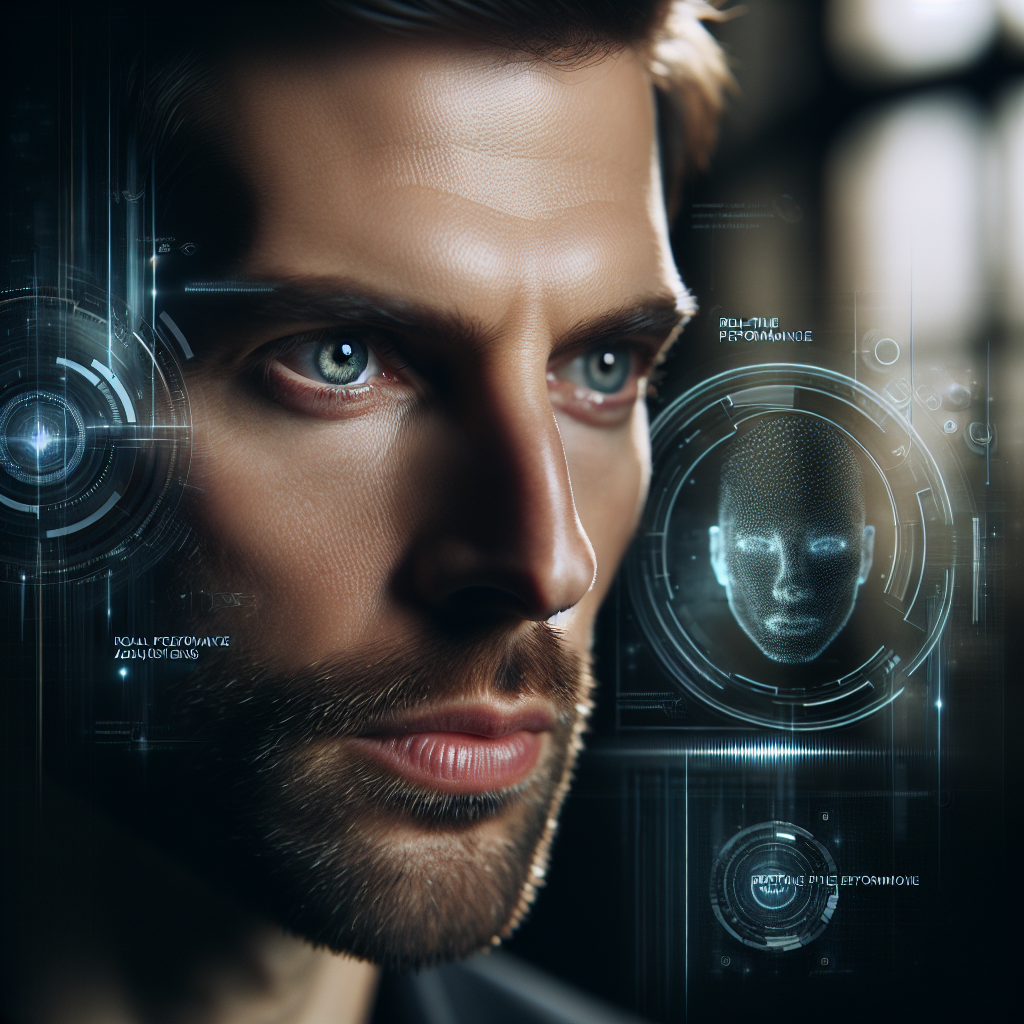
In the ever-evolving world of technology, Luma AI’s recent announcement about Ray3 Modify has caught my attention. This new model promises to enhance hybrid-AI workflows for acting and performances, which is exciting for anyone interested in the intersection of technology and the arts. In this blog, I’ll dive into what this means for the future of acting and how it can impact performers and creators alike.
Table of Contents
- What is Ray3 Modify?
- The Importance of Hybrid AI in Acting
- Impacts on Actors: Creativity, Craft, and Careers
- Transforming the Production Process
- Ethical Considerations and Challenges
- Actionable Steps for Adopting Ray3 Modify
- Summary
- FAQs
- Sources
What is Ray3 Modify?
Ray3 Modify is Luma AI’s latest innovation designed to integrate artificial intelligence into the acting process. This model allows for real-time modifications to performances, enabling actors to experiment with their delivery and character interpretations. For decades, acting was limited to what could be performed live or edited in the post-production phase. Now, AI-driven toolkits such as Ray3 Modify allow actors and directors to iterate performances in real time, changing vocal tone, facial expressions, microgestures, and even body language with algorithmic assist. This means that an actor can perform a scene, review it immediately with a range of AI-suggested stylistic adjustments applied, and then refine their next take accordingly.
I find this particularly intriguing because it opens up new avenues for creativity, allowing performers to push their boundaries and explore their roles in ways that were previously unimaginable. Actors no longer have to decide between multiple versions of a scene—they can explore them all with the help of AI, picking and choosing elements that best convey their intended emotional resonance. With Ray3 Modify making this process easier and faster, performers have the chance to fine-tune their craft at a much more granular and imaginative level.
The Importance of Hybrid AI in Acting
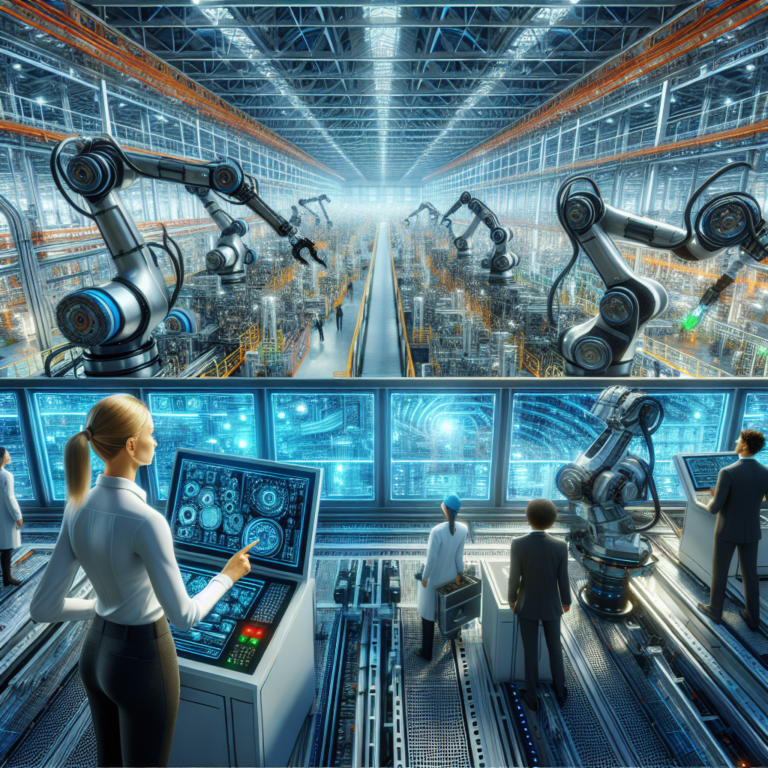
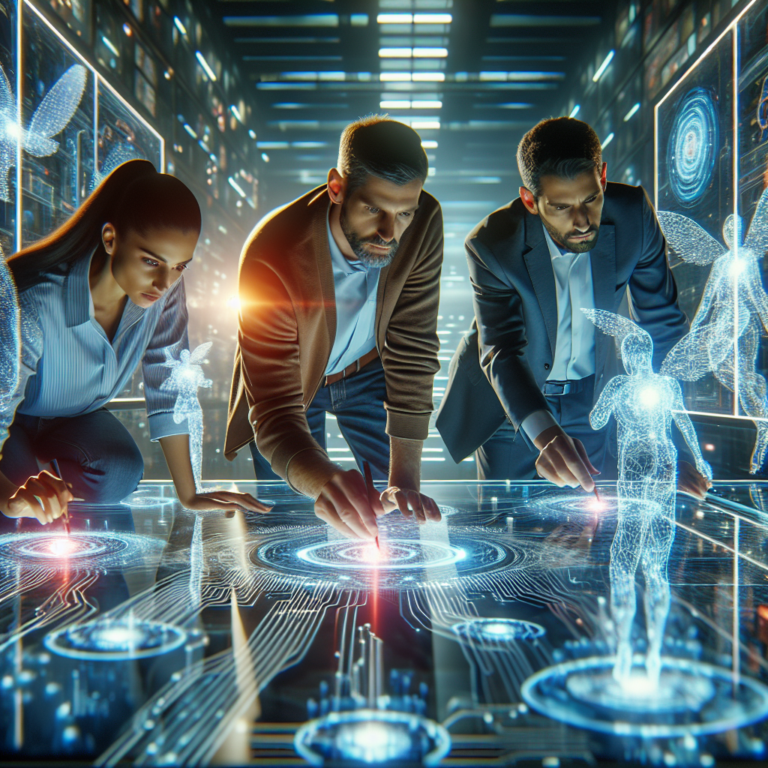
Hybrid AI combines traditional methods (like live acting or practical effects) with advanced technology (such as machine learning, motion capture, deepfake, or real-time rendering). This synergy not only streamlines workflow behind the scenes, but also fundamentally changes what is possible on stage and screen. A prime example is AI’s ability to analyze micro-expressions and provide real-time feedback, helping actors deliver more nuanced and captivating performances. Hybrid solutions enable actors to engage with technology rather than be replaced by it, creating a partnership that enhances both the art and the craft of performance.
According to Automation.com, such technology can help streamline production processes, making it easier for teams to collaborate and innovate. The greatest impact comes from how hybrid AI can bridge gaps between creative intent and technical execution. Scenes that once required extensive setup, retakes, or even reshoots can now be shaped offline and in real time, freeing both directors and actors to explore more ambitious story ideas.
Moreover, hybrid AI can provide actors with personalized feedback, helping them to improve their skills continuously. This is essential in a competitive industry where staying relevant is crucial. I believe that embracing such technologies can give performers a significant edge in their careers. For example, imagine AI not just as a stand-in or a filter, but as a directorial partner or a rehearsal coach, suggesting subtle variations that may never have occurred to the human participant. It’s as if the boundaries between actor, director, and editor begin to blur, forming a new collaborative ecosystem for artistic expression.
Impacts on Actors: Creativity, Craft, and Careers
The introduction of AI-powered performance tools like Ray3 Modify poses seismic shifts in how actors approach their roles. Here are several key impacts on performers, their process, and their long-term careers:
- Greater Range and Flexibility: Actors can experiment more freely. Want to try a Hamlet scene with different emotional undercurrents? Instead of filming dozens of takes, an actor can record just a handful and use Ray3 Modify to preview a full palette of emotional “flavors.” This creates a low-risk, high-creative environment that can lead to more adventurous performances.
- Enhanced Learning: AI-powered feedback goes beyond a director’s eye—it can generate suggestions based on thousands of data points, referencing movement, inflection, and even cinematic history. For actors looking to improve their craft, this is akin to having a private coach with an encyclopedic memory and tireless patience.
- New Pathways for Career Growth: Embracing hybrid AI workflows could set actors apart, especially with the expanding demand for virtual production, augmented reality, and interactive storytelling. Savvy performers who adopt these tools now may find more diverse, future-proof roles in a rapidly changing industry.
- Democratization of Tools: Traditionally, inventive performance techniques, motion capture, and detailed scene analysis were only available to Hollywood blockbusters and big-budget studios. With platforms like Ray3 Modify, independent artists and smaller production teams can access cutting-edge tools—leveling the playing field and broadening the opportunities for creative storytelling.
Transforming the Production Process
The impact of Ray3 Modify isn’t limited to actors—it fundamentally transforms the workflow of directors, producers, editors, and entire creative teams. Here’s how:
- Real-Time Collaboration: AI tools now allow directors and actors to review takes together instantly. Instead of waiting for post-production, they can see how tweaks (to voice, expressions, or delivery) affect the impact of a scene. This collaborative, iterative process creates faster feedback cycles and more precise storytelling.
- Decreased Time-to-Release: With AI-powered editing and performance adjustment, time-consuming manual retakes can often be avoided. AI can suggest new cuts, synchronize digital environments, or seamlessly adjust lighting, shaving weeks off the post-production timeline.
- Expanded Storytelling Techniques: Virtual actors or digital doubles can be easily integrated and modulated using Ray3 Modify. Scenes that would have required prohibitively costly reshoots or complicated set pieces can be reimagined—sometimes even after principal photography has ended.
- Richer Creative Exploration: By lowering the cost and risk of experimentation, hybrid AI tools make it easier for creative teams to try out bold new ideas. Directors and writers can direct digital performances, actors can try risky new interpretations, and editors can weave together a tapestry of scenes none of which might have been possible using traditional means alone.
Ethical Considerations and Challenges
As with any powerful new technology, Ray3 Modify presents several ethical and creative challenges:
- Authenticity vs. Manipulation: At what point does an AI-enhanced performance cease to be the actor’s? While hybrid AI can augment performances, there’s a fine line between enhancement and misrepresentation. Clear standards around authorship and integrity will be essential moving forward.
- Actor Consent and Control: Actors should have the final say on how their likeness and performance are altered. As AI makes it easier to adjust or even synthesize performances, robust consent and licensing frameworks must be implemented to protect artists’ rights.
- Impact on Industry Labor: While Ray3 Modify democratizes powerful tools, there’s legitimate concern about job displacement. As hybrid AI makes virtual characters more lifelike, some roles may be replaced by digital doubles. However, new jobs and specialties are also likely to arise, such as AI performance directors and digital ethics consultants.
Open dialogue and thoughtful policy will be essential as the industry evolves alongside these new tools.
Actionable Steps for Adopting Ray3 Modify
If you’re an actor or part of a creative team, here are pragmatic steps to make the most of Ray3 Modify:
- Research the Technology: Familiarize yourself with how Ray3 Modify works. Read up on its features, capabilities, and use cases on trusted tech and industry news outlets like TechCrunch.
- Experiment with Demos: Look for online workshops, recorded tutorials, or interactive demos. Many AI toolmakers offer trial versions or online sandboxes. Don’t be afraid to experiment—try applying AI-driven modifications to a familiar monologue or short scene.
- Collaborate with Others: Team up with fellow actors, directors, and digital artists. Share insights and techniques for using Ray3 Modify. Workshopping scenes together can maximize the tool’s creative potential and spark unexpected possibilities.
- Stay Updated: Follow Luma AI and the broader technology ecosystem for news on feature updates, best practices, and evolving creative workflows. Sign up for newsletters or join relevant forums to connect with a growing community of early adopters.
- Keep the Human Element: Most importantly, remember that AI is a tool—your intuition and human creativity are irreplaceable. Use Ray3 Modify to enhance, not replace, the living spark you bring to your roles.
Summary
Luma AI’s Ray3 Modify represents a significant step forward in integrating AI into the performing arts. By understanding and adopting this technology, actors can enhance their performances and explore new creative possibilities. As we move forward, the collaboration between technology and artistry will undoubtedly shape the future of acting. While hybrid AI raises new questions—from authenticity to authorial control—it also sets the stage for a revitalized relationship between artists and their digital tools. Ultimately, those who embrace these innovations thoughtfully, balancing technical prowess with human touch, will lead the next wave of transformative storytelling on stage and screen.
FAQs
- What is hybrid AI? Hybrid AI combines traditional methods with advanced technology to enhance creative processes—especially in industries like acting, where both art and science converge.
- How can Ray3 Modify improve my acting? Ray3 Modify allows for real-time modifications and personalized feedback, helping you refine your performance with detailed, AI-powered analysis and experimentation.
- Where can I learn more about Ray3 Modify? Check out Luma AI’s official website and trusted tech news sources such as TechCrunch, Wired, and BBC for the latest updates and expert analysis.
- Are there risks to using AI in acting? Like any technological shift, there are concerns—about authenticity, creative control, and job security. Stay informed and engaged with industry discussions to help shape responsible adoption.
- How can actors protect their digital likeness? Understand your rights, review contracts closely, and advocate for clear guidelines regarding the use of AI to modify or replicate performances.