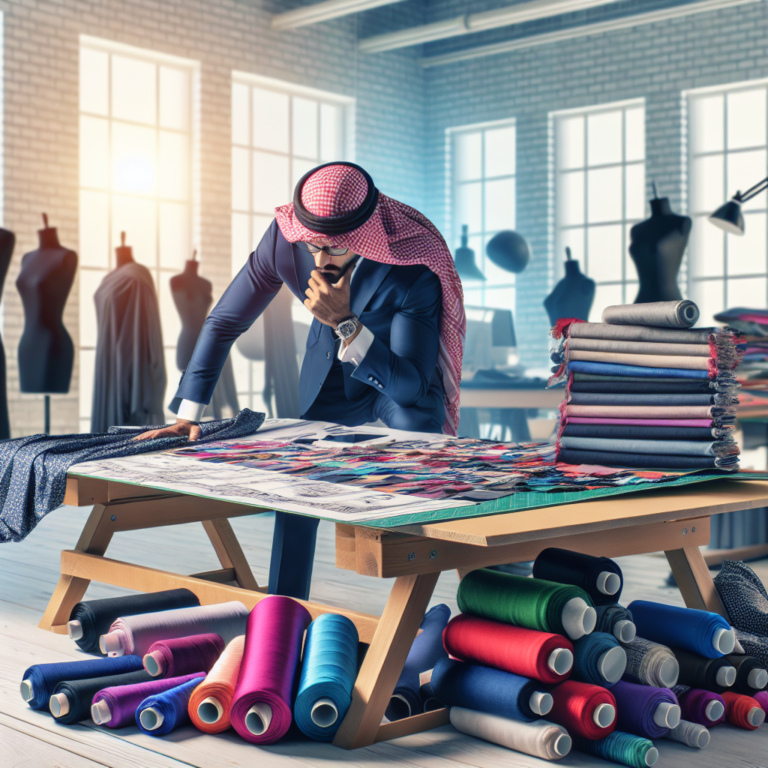
In today’s fast-paced fashion industry, the challenge of overproduction looms large. Many brands are grappling with the need to maintain profitability while also addressing sustainability concerns. I recently came across an insightful article titled “How Fashion Can Overcome Overproduction While Preserving Profitability.” It highlights the pressing need for the fashion sector to innovate and adapt. Let’s explore how the industry can tackle overproduction while still being profitable.
Table of Contents
- Understanding Overproduction
- The Importance of Sustainability
- Strategies to Reduce Overproduction
- Embracing Technology
- Rethinking the Fashion Calendar
- The Role of Consumers
- Case Studies
- Challenges to Implementation
- Summary
- FAQs
- Sources
Understanding Overproduction
Overproduction in fashion refers to the manufacturing of more products than can be sold. This not only leads to waste but also negatively impacts the environment. According to a report from Campaign Live, the fashion industry produces around 100 billion garments annually, with a significant portion ending up in landfills. Understanding this issue is crucial for brands aiming to align with sustainable practices.
The root causes of overproduction are complex. Fast fashion trends compel brands to manufacture quickly and in large volumes to keep up with ever-changing consumer demand. Further, globalized supply chains and the relentless pursuit of low-cost production contribute to an environment in which companies prioritize quantity and speed over thoughtful planning. A garment that was “in” one week may be cast aside by next season, amplifying the risk of massive unsold stockpiles.
More than just a matter of efficiency, overproduction underscores deep systemic issues. It reveals disconnections between production, consumer demand, and resource limitations. Beyond the factory floor, the impact is environmental and ethical, as water usage, dye pollution, and textile waste become byproducts of an industry moving too fast for the planet’s good.
The Importance of Sustainability
Sustainability is no longer just a buzzword; it’s a necessity. Consumers are increasingly demanding transparency and ethical practices from brands. A study by Marketing Week found that 66% of consumers are willing to pay more for sustainable brands. This shift in consumer behavior highlights the importance of integrating sustainability into business models.
Environmental responsibility in fashion goes beyond eco-friendly materials. It encompasses responsible sourcing, fair labor practices, minimizing emissions, and optimizing resource use. It also means designing for longevity, encouraging reuse or recycling, and thinking carefully about what—and how much—is produced in the first place.
From an economic standpoint, adopting sustainable strategies attracts a new generation of customers while solidifying loyalty among existing ones. Many shoppers want to be part of a positive change, using their purchasing decisions as a form of activism. In fact, some label sustainability as “the new luxury”—something that commands status not through excess but through ethical, conscious consumption. Savvy brands realize this is more than a trend—it is fundamental to long-term relevance.
Strategies to Reduce Overproduction
There are several actionable strategies brands can implement to combat overproduction:
- Adopt a Made-to-Order Model: This approach reduces excess inventory by producing items only after they are purchased. Brands like HubSpot highlight how this model can curb waste, as products are crafted to meet real demand rather than uncertain projections. The made-to-order approach does require careful workflow management and can challenge traditional notions of instant gratification—yet it is vital as a path toward zero excess.
- Implement Better Forecasting: Utilizing data analytics and supply chain technology helps brands anticipate demand more accurately. Sophisticated algorithms can process massive amounts of data to predict which styles, sizes, and colors will sell across regions and seasons, lowering the risk of oversupply. Such planning tools can be integrated with sales history, social media trends, and weather forecasts for improved accuracy.
- Focus on Quality Over Quantity: Investing in high-quality materials can lead to longer-lasting products, reducing the need for frequent replacements. This shifts the focus from a disposable mentality to one that celebrates durability and timeless style. High-quality products build customer trust and encourage repairs or upcycling, further reducing environmental impact.
- Modular and Versatile Designs: Designing garments that serve multiple purposes or can be easily adjusted allows for a broader consumer base and helps mitigate unsold inventory. For example, reversible jackets or pieces that can be styled in multiple configurations appeal to consumers seeking value and flexibility.
- Limited Editions and Drop Culture: Borrowing from the playbook of streetwear brands, limited runs and “drops” can foster excitement, create urgency, and align product availability with demand. Smaller production batches mean less risk of leftover stock, while exclusivity drives desirability.
- Resale, Rental, and Upcycling Programs: Embracing the circular economy, some brands are launching their own resale marketplaces, repair services, or rental options. Not only does this reduce waste, but it also extends the useful life of existing garments and generates new revenue streams.
Embracing Technology
Technology plays a pivotal role in reducing overproduction. Tools like AI and machine learning can analyze consumer trends and preferences, allowing brands to adjust their production accordingly. For instance, companies like Ad Age are exploring how AI can optimize inventory management and production schedules.
AI-powered solutions can effectively monitor online sentiment, sales velocity, social media trends, and website analytics, enabling brands to identify micro-trends as they emerge and respond in real time. 3D design software speeds up sample creation and reduces physical waste, as digital prototypes replace the need for dozens of physical samples. Some brands are leveraging virtual showrooms and AI-assisted design to tailor offerings based on precise customer feedback before anything is sent to manufacturing.
Supply chain transparency, powered by blockchain and internet-of-things sensors, adds another layer of accountability. These technologies allow for real-time tracking of materials, production processes, and shipment statuses, unlocking new efficiencies and cutting unnecessary steps that typically contribute to overproduction.
Additionally, on-demand manufacturing—where production commences post-purchase—relies heavily on technology. New advances in automated cutting, smart sewing machines, and robotic fulfillment mean made-to-order can scale efficiently without sacrificing customization or speed.
Rethinking the Fashion Calendar
One of the most frequently cited drivers of overproduction is the intense, seasonal rhythm historically governing the fashion industry. Traditional fashion calendars pressure brands to deliver several collections a year, sometimes resulting in products that miss the mark with consumers or become obsolete before reaching store shelves.
There is a growing movement toward breaking this cycle. Some brands are experimenting with “see now, buy now” models, where collections are available for immediate purchase after runway presentations, thus aligning production more closely with proven demand. Others are moving towards “seasonless” collections or releasing new products in smaller, more predictable intervals based on direct consumer feedback and data-driven insights.
By rethinking the calendar, brands can better synchronize production with true consumer needs and reduce the likelihood of unsold goods accumulating in warehouses.
The Role of Consumers
Consumers wield significant power in shaping the industry’s future. Their choices, advocacy, and willingness to adjust expectations are vital to sustainable transformation. In recent years, we have witnessed a rise in conscious consumers who research brands, ask questions about sourcing and labor, and favor minimalist wardrobes built on quality and longevity.
Consumer education also plays a part; empowering people to understand the consequences of overproduction and the value of sustainable practices fuels a virtuous cycle. As buyers demand transparency, traceability, and responsible actions, brands are incentivized to evolve and innovate. Social media has amplified this trend—giving voice to campaigns, holding brands accountable, and rewarding transparency with loyalty and advocacy.
That said, true transformation requires a shift away from fast fashion’s model of cheap, disposable clothing to one of thoughtful, intentional purchase. It involves accepting longer lead times for made-to-order garments, investing in repairs rather than replacements, and participating in the circular economy through renting, reselling, or upcycling clothes.
Case Studies
Examining successful case studies can provide valuable insights. For example, brands like LONGi have been recognized for their sustainable practices in Africa. Their approach to sustainability not only enhances their brand image but also contributes positively to the environment.
Another success story is the rise of sustainable fashion labels adopting zero-inventory policies and producing to order. These brands foster loyal customer communities despite slower turnaround times, offering limited-run items in response to direct-to-consumer demand. Some Scandinavian apparel companies have set ambitious targets for recycled content, transparent sourcing, and carbon neutrality—earning industry accolades and commercial success.
The integration of technology is evident in companies leveraging AI to dissect market trends and predict hot sellers. Digital-only fashion houses (producing clothing for virtual avatars or augmented reality platforms) have emerged, proving that creative disruption can dramatically reduce physical waste. Even mainstream brands are investing in digital platforms and embracing upcycling partnerships, signaling a shift toward more responsible business models.
Challenges to Implementation
Despite forward momentum, hurdles remain. Transitioning to more sustainable models can be costly upfront. Adopting new technology, retraining staff, and overhauling supply chains requires significant investment and organizational change-management. Brands may face resistance from stakeholders attached to the status quo or from consumers accustomed to low prices and rapid product turnover.
In some regions, lack of local infrastructure for textile recycling or resale presents bottlenecks. Further, global fashion’s complex, decentralized supply chains complicate traceability and transparency, sometimes making it hard to audit working conditions or ensure environmental commitments are honored at every upstream supplier.
Finally, striking the right balance between profitability and sustainability remains challenging, especially for smaller brands operating on tight margins. Yet, as consumer preferences evolve and regulatory pressures increase, the business case for transformation strengthens with each passing season.
Summary
In conclusion, the fashion industry faces a significant challenge with overproduction, but by adopting sustainable practices and leveraging technology, brands can maintain profitability while also being responsible. The shift towards sustainability is not just beneficial for the environment; it’s also a smart business move that aligns with consumer expectations.
Ultimately, by embracing a more measured, innovative, and responsive approach to design and production, fashion can shed its reputation for shortsighted excess and set a precedent for other industries to follow. The world is watching, and the choices made today will shape the fashion landscape—and the planet—for generations to come.
FAQs
- What is overproduction in fashion? Overproduction occurs when more products are made than can be sold, leading to waste and negative impacts on the environment and brand profitability.
- Why is sustainability important in fashion? Sustainability is crucial as consumers increasingly demand ethical practices and transparency from brands, and because the industry’s environmental footprint is significant.
- What strategies can brands use to reduce overproduction? Brands can adopt made-to-order models, improve forecasting through data, focus on high quality over quantity, experiment with modular and seasonless designs, encourage circular solutions, and leverage digital tools for more accurate, responsive production.
- How does technology help reduce overproduction? Technology, such as AI, predictive analytics, blockchain, and on-demand manufacturing, enables brands to anticipate demand, optimize inventory, and increase supply chain transparency—reducing waste and ensuring production better matches genuine consumer needs.
- What role do consumers play? Consumers drive change by supporting transparent, responsible brands, favoring quality over novelty, and participating in the circular economy through reselling, renting, and repairing garments.