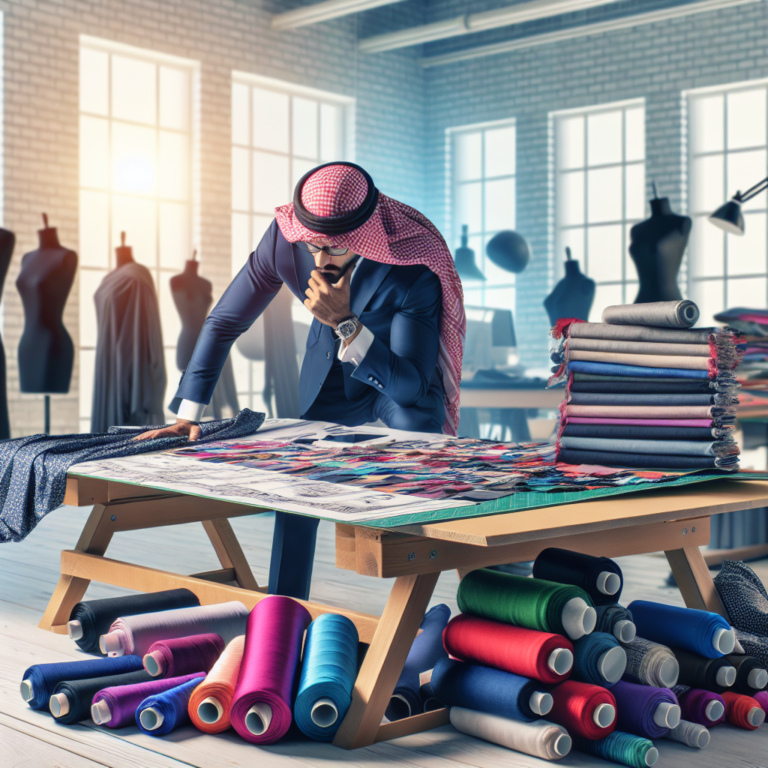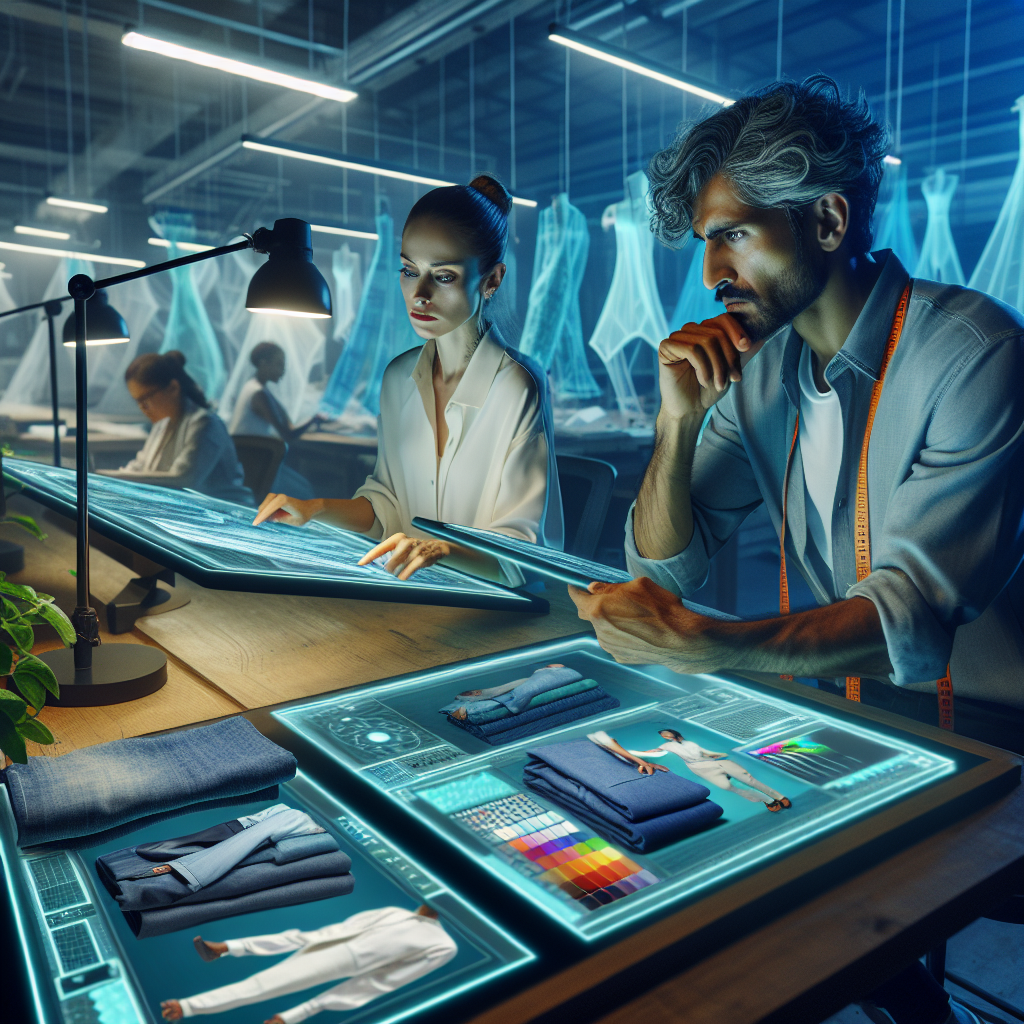
In today’s fast-paced fashion industry, the challenge of overproduction looms large. I find it fascinating how brands can tackle this issue while still maintaining profitability. The global fashion sector, valued in the trillions, drives innovation and self-expression, but is also a major contributor to environmental degradation. In this article, I’ll explore in detail how the fashion industry can overcome overproduction while preserving profitability—a topic highlighted in multiple recent industry reports and talks. Let’s dive into the details and find out how we can make a difference for the industry, the environment, and society as a whole.
Table of Contents
- Understanding Overproduction in Fashion
- The Impact of Overproduction
- Why Does Overproduction Still Happen Today?
- Consumer Behavior and the Fast Fashion Phenomenon
- Strategies to Reduce Overproduction
- Leveraging Emerging Business Models
- The Role of Technology in Sustainable Fashion
- The Human Side of Sustainable Fashion
- Case Studies: Brands Leading the Way
- Conclusion
- FAQs
- Sources
Understanding Overproduction in Fashion
Overproduction in fashion means manufacturing more garments and accessories than can be realistically sold before the next cycle of collections rolls around. Historical factors, industry tradition, and logistical challenges all contribute to this persistent problem. According to Campaign Live, key factors driving overproduction include the relentless pressure of rapid seasonal cycles, fierce competition, and a culture that prioritizes novelty over longevity.
Traditionally, seasonal calendars force brands to place large volume orders months in advance, hoping to anticipate demand. This process worked better when fashion cycles moved slowly and retailers took ownership of much of the risk. With e-commerce and fast fashion, the rhythms of the market have accelerated, and incorrect forecasting routinely leads to surpluses. The margin for error is slim, yet missteps are frequent.
The Impact of Overproduction
The consequences of overproduction are far-reaching for business, society, and the planet. First and foremost are the business losses: unsold inventory means lost revenue, costly markdowns, warehousing, or even incineration of unpurchased goods. More insidiously, overproduction erodes brand value, as consumers become accustomed to deep discounting on last season’s unsold styles.
The environmental impact cannot be overstated. The fashion industry is responsible for up to 10% of global carbon emissions, according to some estimates. When products can’t be sold, they often end up in landfills or are destroyed, wasting not just the materials but the water, energy, and labor that went into their creation. Marketing Week emphasizes that addressing overproduction is a critical lever in reducing fashion’s environmental footprint and improving the industry’s public reputation.
Why Does Overproduction Still Happen Today?
With greater awareness about sustainability, many ask: why does overproduction persist? The answer lies in a combination of tradition, risk aversion, consumer demand, and the relentless search for growth. Many brands overproduce “just in case”—out of fear of stockouts, missing trends, or losing sales to competitors. The incentives to avoid lost sales can be higher than those to minimize environmental harm, particularly in fast fashion and mass markets.
Wholesale models also contribute. Traditional buyers (e.g. multi-brand retailers) often set large orders early, encouraging brands to overproduce across sizes and colors to meet speculative demand. These dynamics make accurate forecasting more difficult and reinforce the temptation to manufacture surplus, which can seem like an insurance policy against missing a hit trend—albeit a costly and wasteful one.
Consumer Behavior and the Fast Fashion Phenomenon
Consumerism is at the heart of the overproduction debate. The fashion industry’s explosive growth over recent decades was, in part, fueled by the emergence of fast fashion: a business model based on delivering up-to-the-minute styles at rock-bottom prices in record time. Retailers like Zara, H&M, and others reshaped the industry with constant new drops, encouraging consumers to see clothing as disposable and always ripe for replacement.
Social media, influencer marketing, and the viral nature of online trends have accelerated consumption patterns. Shoppers are now conditioned to expect not just seasonal changes, but weekly or even daily new arrivals. This makes demand far more volatile and unpredictable, leading to higher overproduction risks as brands gamble on what could become the next must-have piece.
There’s been some recent pushback: younger consumers are showing more interest in sustainability, circular fashion, and quality over quantity. But the global scale of cheap, fast, and abundant clothing options still dominates, necessitating strong action and innovative solutions from brands and policymakers.
Strategies to Reduce Overproduction
Fortunately, there are several viable strategies available to industry leaders who are ready to commit to positive change:
- Made-to-order and made-to-measure: Brands are increasingly adopting “on-demand” production models, where items are manufactured only after a customer places an order. This virtually eliminates surplus stock and allows for customization, though it may challenge brands accustomed to immediate gratification.
- Data-driven forecasting: Advanced analytics allow brands to move beyond historical sales data and use real-time customer insights, weather patterns, and social trends to better predict demand. Machine learning models can help brands dynamically restock popular items while pulling back from slower sellers.
- Agile supply chains: Brands are reevaluating their supplier networks to gain greater flexibility and speed. Rather than placing massive orders with far-flung factories, some are creating more agile micro-factories closer to home or investing in modular production capabilities. This way, they can respond quickly to changing demand with less risk of overproduction.
- Simplifying assortments: By reducing excessive variety and focusing on core, seasonless products, brands can lower inventory risks and emphasize quality, classic style, and durability over short-lived trends.
- Managing the end-of-life process: Unavoidable surpluses can be responsibly handled through upcycling, recycling programs, or partnerships with charities to ensure that unsold goods have a second life.
More insights and practical strategies can be found in retail management resources like those published by HubSpot, which highlights inventory control as a pillar of both profit and sustainability.
Leveraging Emerging Business Models
The future of fashion may favor brands that are willing to challenge the status quo and adopt radical, sustainability-first models:
- Rental and subscription services: By renting garments or offering wardrobe subscriptions, brands can maximize the use of each item and radically reduce the quantity needed to satisfy consumer demand. Companies like Rent the Runway are proving that access, not ownership, is appealing to many shoppers.
- Circular fashion and resale: Pre-owned fashion is booming, with platforms like Depop, Vestiaire Collective, and The RealReal making it easy for consumers to buy and sell previously owned luxury and high-street goods. Mainstream brands are taking note, launching their own branded resale initiatives and take-back schemes.
- Product as a service: This business model, already popular in technology, is emerging in fashion. For example, brands may charge a monthly fee that includes garment use, maintenance, and recycling services, building a more responsible and enduring customer relationship.
The Role of Technology in Sustainable Fashion
Technology has become the linchpin for meaningful transformation in the fashion industry. Companies are harnessing digital tools across the entire value chain, not just to prevent overproduction but to create smarter, more resilient businesses. As Ad Age points out, innovations in AI and machine learning have empowered brands to:
- Improve trend prediction: Algorithms process millions of social posts, sales records, and search queries to spot upcoming trends faster and more accurately, minimizing speculative risk.
- Optimize supply chains: Digital twins, blockchain, and real-time tracking allow brands to monitor every stage of production and make rapid adjustments as new demand signals emerge.
- Produce sustainably: 3D knitting, digital printing, and robotics enable near-instant production with less waste, opening the door to mass personalization and the on-demand model.
- Empower the consumer: Apps and digital tools help shoppers preview fits on virtual avatars, reducing the likelihood of returns and ensuring purchases are well-considered—key factors in combating overproduction and the environmental cost of returns.
Technology is also driving the development of new sustainable materials, such as lab-grown leather and recycled polyester, which make it possible to innovate without sacrificing the planet. More than just profit tools, tech-driven initiatives are now essential for long-term business viability and brand loyalty.
The Human Side of Sustainable Fashion
Overproduction doesn’t just harm ecosystems; it also has serious social consequences. When brands scramble to produce quickly and cheaply, worker welfare often suffers. Fast fashion’s global race to the bottom has been linked to unsafe conditions, low wages, and labor abuses. By reducing volume and focusing on quality over quantity, fashion businesses can invest in better supplier relationships, provide stable employment, and maintain higher social standards throughout the supply chain.
Furthermore, the move toward circularity (where products are designed for repair, recycling, and ongoing use) can rejuvenate domestic manufacturing, foster craft and artisan communities, and shift the social value of fashion from disposability to durability and creativity. This holistic approach turns sustainability into a shared story—one where brands, workers, and consumers all play vital roles.
Case Studies: Brands Leading the Way
Across the industry, pioneering labels are making real progress. Here are just a few examples:
- Stella McCartney: A champion of sustainability, Stella McCartney pioneered the use of alternative textiles and launched a platform for the resale of her own products, encouraging a culture of reuse.
- Levi Strauss & Co.: Levi’s commitment to less, better manufacturing is exemplified in their Water<Less initiative and by promoting care and repair tips so that garments last longer, reducing the need for overproduction.
- Burberry: After controversy about destroying unsold inventory, Burberry pledged to stop the practice entirely, instead working toward circularity and better supply chain transparency.
- Smaller brands and startups: Labels like Reformation, Everlane, and Coyuchi focus on transparency, small-batch production, and full traceability, setting new standards for what it means to be an ethical and sustainable fashion brand.
Conclusion
It’s clear that fashion’s overproduction problem is systemic yet solvable. Brands that are willing to reimagine their business models, leverage cutting-edge technology, and put people and planet first can reduce waste without sacrificing profitability. Pivoting toward sustainability is not just a moral imperative—it is rapidly becoming a commercial necessity, as conscious consumers demand accountability and transparency like never before.
By understanding the root causes of overproduction, embracing new business models and technologies, and committing to authentic progress, brands can ensure their place in a more responsible fashion future. The path is neither easy nor straightforward, but it is undeniably vital. I hope this article inspires you to think critically about how we can all contribute to a fashion industry that balances profits with purpose.
FAQs
- What is overproduction in fashion? Overproduction refers to producing more clothing items than can be sold, leading to waste, resource depletion, and financial loss for brands.
- How does overproduction impact the environment? Overproduction contributes directly to higher levels of waste in landfills, unnecessary resource use, water pollution from dyeing textiles, and increased carbon emissions from both manufacturing and disposal.
- What strategies can brands use to reduce overproduction? Solutions include adopting made-to-order or on-demand models, simplifying product assortments, improving demand forecasting with AI, harnessing agile supply chains, and launching resale or rental lines.
- What role does technology play in sustainable fashion? Technology underpins smarter forecasting, flexible supply chains, circular business models, greater transparency, and the design of eco-friendly materials for the next generation of garments.
- Can sustainability and profitability coexist in fashion? Absolutely. Brands integrating sustainability into their core strategy often find new revenue streams, improved customer loyalty, and risk mitigation—proving that doing good and doing well go hand in hand.