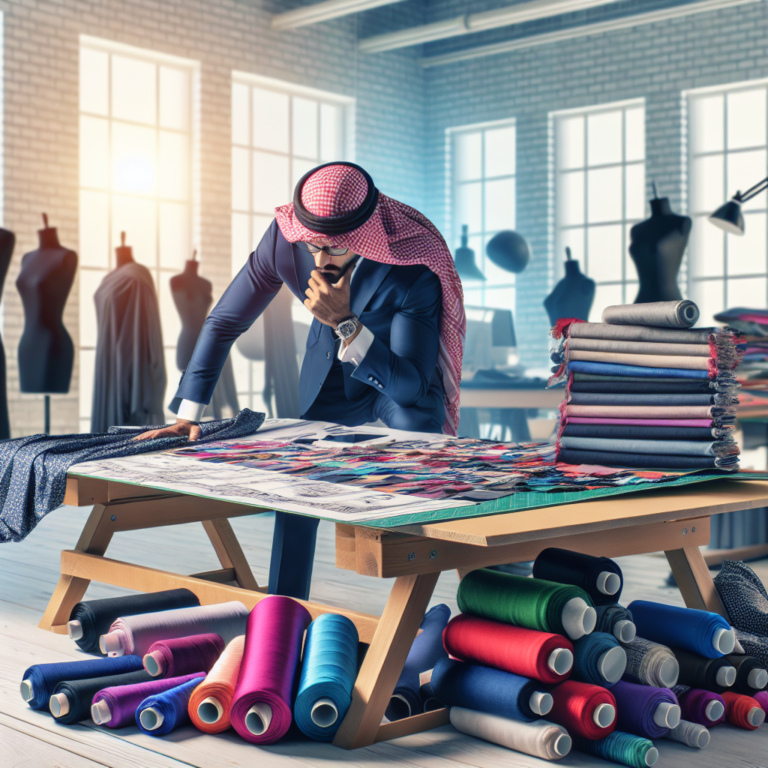
In the ever-evolving world of fashion, overproduction remains a formidable obstacle—an issue that ripples far beyond the factory floor. The consequences of producing more clothes than the market can absorb are both financial and environmental, affecting not only a brand’s bottom line but also its reputation and our planet’s health. Recently, I read an illuminating article in Sourcing Journal that confronts the pressing challenge of overproduction in fashion and presents actionable solutions for safeguarding both profit and sustainability. Inspired by this discussion, let’s take a deep dive into how fashion can overcome overproduction while preserving profitability, augmenting industry insights with fresh perspectives, real-world examples, and practical advice.
Table of Contents
- Understanding Overproduction in Fashion
- The Impact of Overproduction
- Drivers of Excess Production
- Strategies to Overcome Overproduction
- Sustainable Business Models for the Future
- Case Studies of Successful Brands
- The Role of Consumer Behavior
- Summary
- FAQs
- Sources
Understanding Overproduction in Fashion
Overproduction is, at its core, an imbalance between production output and actual market demand. In the fashion industry, this phenomenon is especially pronounced due to ultra-fast trend cycles, the allure (and risk) of instant gratification, and fragmented supply chains that often incentivize volume over value. Brands large and small face tremendous pressure to forecast the next big trend, and when predictions miss the mark, unsold merchandise piles up. As with any systemic issue, understanding the mechanics is the first critical step toward change.
Recent data from the OECD underscores the problem: the fashion industry is one of the world’s largest generators of waste, contributing millions of tons of textiles to landfills each year. This isn’t just about unsold t-shirts — it’s about the entire production chain, from wasted textiles to unnecessary transportation emissions. Unchecked overproduction is a hidden tax on the entire ecosystem of fashion.
The Impact of Overproduction
The ripple effects of overproduction stretch far and wide. Let’s break them down:
- Financial Strain: Excess inventory means markdowns, clearances, and disposal costs. This erodes margins and endangers the long-term viability of brands. Warehousing unsold goods adds to operational overhead. Worse still, capital is tied up in non-moving inventory, stunting a company’s ability to respond quickly to market shifts.
- Environmental Costs: Unwanted clothing often ends up incinerated or dumped in landfill sites. This contributes to pollution, greenhouse gas emissions, and water contamination—factors that put a strain on local and global ecosystems. According to estimates, the fashion industry is responsible for about 10% of global carbon emissions and remains the second-largest consumer of water worldwide.
- Brand Image: When consumers notice constant markdowns or see wasteful practices exposed in headlines, trust erodes. Today’s shoppers are increasingly mindful of a brand’s ethical footprint. Overproduction can sully a brand’s values, making it harder to attract and retain loyal customers.
Drivers of Excess Production
The roots of overproduction are complex and interwoven with how the fashion system operates:
- Forecasting Uncertainty: Predicting consumer demand months in advance is inherently risky. Even with sophisticated analytics, sudden shifts in consumer preferences can render early predictions obsolete.
- The Race for Trend Dominance: “Drop” culture and social media have shrunk the product life cycle to mere weeks. Many brands overproduce to capture fleeting trend moments, fearing that a hit item may run out too soon and lead to lost revenue.
- Globalized Supply Chains: Production and shipping cycles can span continents and months. To mitigate stockouts, brands often place large orders, which multiplies risk if market demand is overestimated.
- Marketing and Retail Expectations: Department stores and online platforms tend to favor brands with a rich, varied, and fully stocked inventory. The pressure to fill shelves and offer choice can push brands toward overproduction.
Strategies to Overcome Overproduction
Combating overproduction requires a blend of forward-thinking strategy, cutting-edge technology, and a willingness to challenge industry norms. Below are key tactics brands can adopt:
- Demand Forecasting with AI: Data-driven forecasting tools can analyze consumer behavior in real-time, predicting what will sell and when. By optimizing their use of tools like demand forecasting software, brands can better align supply with actual demand, leading to smarter production runs and less guesswork.
- On-Demand and Made-to-Order Production: A shift toward producing goods only after an order is placed, or in tightly controlled small batches, can nearly eliminate surplus inventory. This model is particularly relevant for digitally native D2C brands, which can use customer pre-orders to gauge demand before manufacturing.
- Capsule and Limited Collections: Focusing on curated, high-value offerings over mass production ensures each item is more likely to find a buyer. Capsule collections also spark scarcity and exclusivity, driving desirability while minimizing waste.
- Agile and Modular Manufacturing: Implementing responsive supply chains, where production is adjusted in near real-time based on current sales data, allows brands to react to trends without betting the farm.
- Recycling and Upcycling Programs: Discarded or unsold clothes can be recycled or repurposed into new collections. Brands like Patagonia have made recycling integral to their identity, using take-back schemes and material circularity to close the loop on waste.
- Create a Feedback Loop: Collect real-time feedback from loyal customers and utilize insights to tweak production planning. Customer engagement platforms and loyalty programs are useful channels for continuous input.
Sustainable Business Models for the Future
Beyond tactical interventions, sustainable business models are redefining what it means to be a profitable fashion house. Here are some transformative approaches emerging across the fashion landscape:
- Renting and Subscription Services: Brands and platforms such as Rent the Runway enable consumers to rent clothes for special occasions or everyday wear, extending a garment’s life and reducing need for new production.
- Repair, Resale, and Take-Back Initiatives: Giving customers incentives to return unwanted or worn items for repair, resale, or recycling not only keeps clothes out of landfills but also offers repeat customer touchpoints.
- Transparency and Traceability: Today, blockchain and digital product passports can document an item’s life-cycle. With customers ever-more attentive to sustainability, sharing this information can differentiate a brand and justify higher price points.
- Local Manufacturing: Nearshoring or reshoring production reduces long transport times, allows for more accurate inventory management, and minimizes carbon footprint. It also brings brands closer to consumers—both physically and emotionally.
Case Studies of Successful Brands
Several innovative fashion leaders have found remarkable ways to reduce overproduction and reap the rewards:
- Everlane: With a business model centered on radical transparency, Everlane produces in limited runs and often relies on pre-orders. Their philosophy resonates with conscious consumers and enables tight control over inventory.
- Reformation: As sustainability pioneers, Reformation employs a proprietary “RefScale” tool that calculates the environmental footprint of each garment. Data-driven production enables them to avoid speculative large inventories while maintaining style appeal.
- Zara: Inditex’s flagship brand is renowned for its agile supply chain. By keeping design, prototyping, and a large chunk of manufacturing close to its Spanish headquarters, Zara restocks stores with bestsellers within weeks, slashing the risk of overproduction.
- Patagonia: Patagonia’s story-driven campaigns encourage repair and reuse, while its Worn Wear program rewards customers for giving old garments a new life. This reduces the need for fresh production and deepens customer connection to the brand’s core mission.
The Role of Consumer Behavior
No conversation on overproduction is complete without acknowledging the role of consumers. Demand is ultimately shaped by what shoppers desire and how they choose to make purchases. Fast fashion has trained many to expect endless variety and immediate delivery, yet there’s a growing movement toward mindful consumption, fueled by concern for waste and climate impact. As shoppers become more aware of fashion’s environmental toll, many are opting for quality over quantity, prioritizing brands with responsible production models.
Brands can nudge consumer behavior by:
- Educating customers about the real cost of overproduction, through marketing campaigns and product labeling.
- Offering incentives for buying into pre-orders, taking part in take-back or recycling initiatives, or supporting upcycled lines.
- Rewarding loyalty with perks for choosing fewer, better products.
This cultural shift may take time, but as both fashion and consumer consciousness evolve, so does the path toward true sustainability.
Summary
Overcoming overproduction in the fashion industry is both a moral imperative and a business opportunity. Brands willing to reflect honestly on supply-demand mismatches, embrace innovative production models, and foster deep consumer relationships will thrive in a future where sustainability and profitability walk hand in hand. The strategies outlined—from AI-driven forecasting to made-to-order manufacturing and circular business models—prove that it’s possible to produce less and earn more. The next generation of fashion leaders will no doubt be those who understand that smart, sustainable business is good business.
FAQs
- What is overproduction in fashion? Overproduction is when a brand manufactures more garments than it can realistically sell. This leads to unsold stock, profit losses, and increased environmental waste.
- How can brands reduce overproduction? Tactical approaches include improved demand forecasting, transitioning to on-demand or made-to-order models, offering capsule collections, and integrating recycling or upcycling initiatives into business practices.
- Why does overproduction hurt brands? Besides creating unnecessary waste, overproduction strains finances, damages brand image by signaling poor demand planning, and alienates environmentally conscious customers.
- What are some brands leading the way in solving this issue? Everlane, Reformation, Zara, and Patagonia have all developed effective, scalable strategies for curtailing overproduction through transparency, agile design, and customer engagement.
- Can overproduction be eliminated entirely? While it may not be feasible to eliminate overproduction in every context, especially for global brands, adopting the best practices above can dramatically reduce its scale and impact.