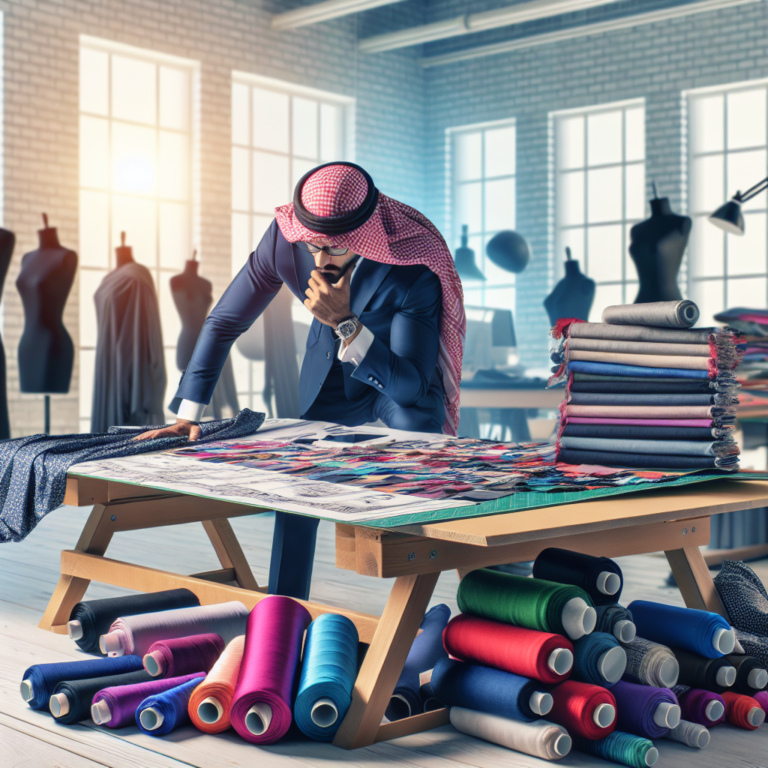
In today’s rapidly evolving fashion landscape, one of the most pressing and persistent challenges facing brands is the issue of overproduction. Fashion companies—straddling luxury brands, high street retailers, and fast-fashion juggernauts—are often left with piles of unsold stock, leading to markdowns, wasted resources, and mounting environmental concern. The twin tasks of operating a profitable business while also scaling back on overproduction for environmental and ethical reasons can feel like an uphill battle.
The stakes are high: unsold clothes may be discounted heavily, shredded, or dumped in landfills, causing financial loss and reputational harm. Meanwhile, climate-aware consumers are increasingly using their purchasing power to call for transparency and responsibility from brands. I recently came across an illuminating article in Sourcing Journal that addresses this multifaceted dilemma and explores solutions designed to address waste while safeguarding profitability. Let’s break down this subject in detail.
Table of Contents
- The Issue of Overproduction
- Impact on Profitability
- The Environmental and Social Costs
- Strategies to Reduce Overproduction
- Case Studies
- Summary
- FAQs
- Sources
The Issue of Overproduction
Overproduction in fashion occurs when brands manufacture more garments and accessories than the market can ultimately absorb. Fast-fashion’s breakneck timelines, global supply chains, and consumer appetite for constant newness all conspire to make overproduction a chronic risk. Major fashion houses and retailers anticipate trends months in advance and forecast volumes accordingly, but market tastes can shift overnight, and the gap between production decision and point-of-sale can expose major miscalculations.
To understand the scale, consider that the Organisation for Economic Co-operation and Development (OECD) reports that globally, the fashion sector produces nearly 100 billion garments every year—far more than the planet’s population and exponentially greater than what’s needed. According to environmental advocates, as much as 30% of these products are never sold at full price, and a significant portion never reach customers at all, instead ending up as industrial waste. This isn’t just a business problem. It’s an ecological and societal crisis.
Impact on Profitability
The financial fallout from overproduction can be devastating. Excess stock leads companies to slash prices and offer deep discounts, thereby eroding profit margins and diminishing the perceived value of their brand. Warehousing, shipping, and storing surplus stock are costly operations, siphoning off resources that could otherwise be used for innovation or product development.
Persistent overproduction can trigger a cycle of dependency on flash sales and discounts, which teaches customers to wait for deals, eroding customer loyalty and cannibalizing future full-price sales. It can also impact cash flow and tie up capital in unsold goods, making it harder for businesses to stay agile and resilient in times of market volatility or economic downturn.
Reputational risks accompany these financial consequences. As sustainability becomes a key value proposition for many shoppers, brands risk alienating consumers by being wasteful. Negative headlines—such as reports of clothing being incinerated or destroyed to maintain brand cachet—can spark consumer boycotts and lasting damage to brand equity.
The Environmental and Social Costs
Overproduction is not simply a matter for balance sheets. The environmental toll is stark. The fashion industry is thought to contribute between 2-8% of global carbon emissions, depending on the estimate. Every unworn t-shirt or dress represents wasted water, energy, chemicals, and human labor.
Discarded garments often end up in landfills or incinerators, which not only squanders the resources invested in their creation but also creates additional pollution. According to the Ellen MacArthur Foundation, a truckload of textiles is landfilled or incinerated every second around the world. Microfiber pollution from synthetic fabrics exacerbates the crisis, contaminating waterways and entering the food chain.
Social issues, too, are interwoven with overproduction. Many fast-fashion facilities rely on underpaid workers, sometimes in unsafe conditions, to churn out high volumes at low costs. Overproduction puts further pressure on these workers and their communities, amplifying demands for improvement in labor standards.
Strategies to Reduce Overproduction
Given the scale and complexity of the problem, no silver bullet exists. Nevertheless, a combination of innovative business models, technology, and consumer engagement can help brands strike a balance between profitability and responsibility. Here are some proven and emerging approaches:
- 1. Data-Driven Demand Forecasting:
Advanced digital tools, including artificial intelligence and machine learning, can analyze historical data, social trends, and market signals to more accurately anticipate what products will sell. Brands that invest in agile forecasting can adjust production runs, materials procurement, and inventory levels in near real-time. - 2. Flexible & On-Demand Manufacturing:
Rather than committing to massive, speculative production runs, brands are increasingly turning to on-demand or made-to-order manufacturing. This allows companies to produce goods only after customers have placed orders or show intent to purchase. - 3. Collaboration with Retail Partners:
By working hand-in-hand with retailers, brands can harness sales data and point-of-sale feedback to modulate supply. This collaborative approach aligns upstream production with actual consumer demand downstream, helping avoid gluts of unpopular stock. - 4. Sustainable Materials & Circular Practices:
Brands are experimenting with recycling textiles, using regenerated fibers, and designing for longevity and repair. Upcycling programs give new life to unsold goods or returned items, while clothing take-back schemes can feed material back into the supply chain. - 5. Digital Sampling & Virtual Prototyping:
Virtual samples and digital visualization tools allow brands to test and showcase new designs without the expense (and waste) of physical prototypes. This can speed up time to market and radically cut pre-production waste. - 6. Micro-Drops & Capsule Collections:
Rather than launching large seasonal lines, some brands are turning to smaller, more frequent product drops. These micro-collections can gauge demand on the fly and create scarcity that drives excitement—without flooding stores. - 7. Rental, Resale, and Subscription Models:
The rise of the sharing economy has prompted many labels to experiment with rental services, peer-to-peer resale, and subscription boxes. These strategies extend the life of every item and can absorb returned or previously unsold inventory.
For more on sustainable fashion practices, Bloomberg offers additional perspectives on industry innovation.
Case Studies
Let’s look at a few leading examples of how brands are attacking the overproduction puzzle:
- H&M:
H&M runs one of fashion’s largest garment collection programs, encouraging customers to drop off unwanted apparel in-store. Collected clothing is sorted for reuse, recycling, or upcycling. The brand has also made efforts to use more recycled materials and publish transparent figures on unsold stock and waste, helping set industry benchmarks for disclosure. - Patagonia:
Patagonia’s commitment to environmental stewardship is expressed through their “Worn Wear” initiative, which repairs and resells secondhand Patagonia gear to keep it in the loop. Their model privileges quality and durability over sheer volume, and the company is transparent about its production numbers, even warning customers when items might sell out due to limited runs. - Inditex/Zara:
Zara, owned by Inditex, famously uses a rapid response supply chain model. Small initial production runs let the brand test new designs. If items sell, more are made. If not, little inventory remains unsold. This just-in-time manufacturing relies on vertical integration and proximity of suppliers. - Stella McCartney:
Pioneering sustainable design practices, Stella McCartney incorporates recycled materials, low-impact dyes, and digital sampling techniques to keep inventory lean and lessen the environmental impact of unsold garments.
These varied approaches prove that it is possible to combine profitability with purpose. For further details on these businesses and their strategies, visit the Financial Times.
Summary
Overproduction is at the crossroads of environmental stewardship, supply chain resilience, and brand profitability. The fashion industry’s historic model of mass production and speculative inventory creation is being challenged by ecological realities, changing consumer attitudes, and heightened scrutiny from investors and regulators. Brands no longer have the luxury of ignoring the costs of excess—whether measured in carbon emissions, wasted money, or lost goodwill.
Fortunately, forward-looking companies are showing that it is entirely possible to make smart, profitable, and sustainable choices. The shift will require investment in technology, supply chain innovation, and honest communication with consumers. But as the case studies above demonstrate, fashion’s business case for tackling overproduction is clear—and the rewards, both for the planet and the bottom line, are well worth the effort.
FAQs
- What is overproduction in fashion? Overproduction describes the process of making more clothes or accessories than retailers and consumers can buy, leading to surplus inventory and waste. This problem is exacerbated by fast-changing trends, unpredictable consumer demand, and inflexible supply chains.
- How does overproduction hurt profitability? Brands must sell unsold items at a discount or dispose of them, which reduces profit margins and increases costs for storage and logistics. Persistent overproduction can hurt brand reputation, lower full-price sales, and reduce long-term competitiveness.
- Can data analytics really help reduce overproduction? Yes—by analyzing historical sales, tracking emerging trends in real time, and modeling demand more accurately with AI, brands can better align production with actual market needs, minimizing waste and increasing profitability.
- Are there business models that naturally reduce overproduction? Yes. Made-to-order, on-demand production, micro-drops, and fashion rental or resale platforms all help mitigate overproduction. These models often rely on improved forecasting, digital tools, and increased transparency.
- What are the key benefits for brands that successfully reduce overproduction? Such brands enjoy improved efficiency, better use of capital, stronger relationships with climate- and ethics-minded consumers, and a more positive reputation. They’re also better positioned to thrive as regulations and consumer expectations around waste and sustainability grow.
Sources
- OECD
- Bloomberg
- Financial Times
- Ellen MacArthur Foundation: The Circular Economy and the Fashion Industry (2021)
- McKinsey & Company: Fashion on Climate (2020)