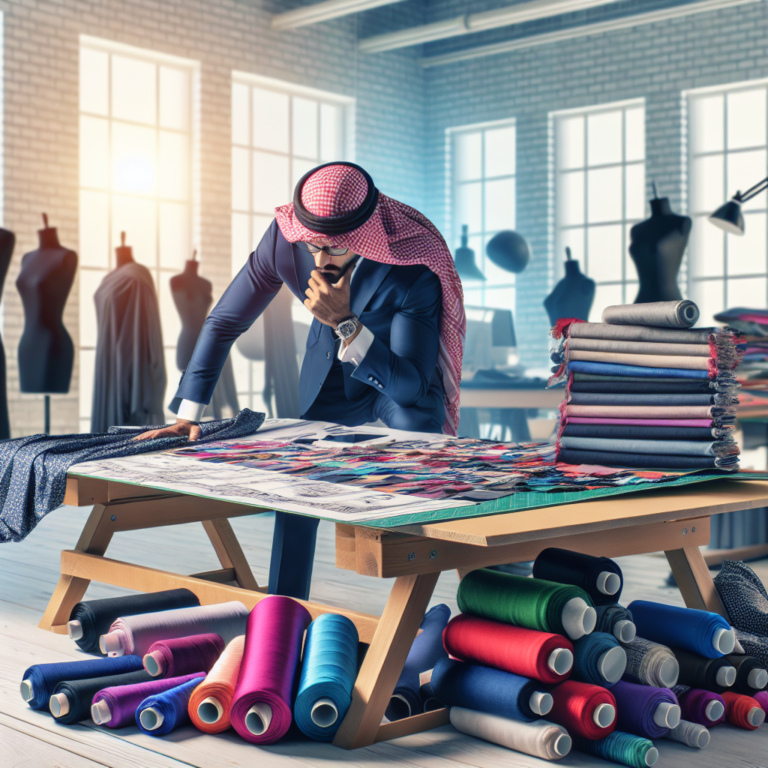
As someone who has always been fascinated by the fashion industry, I find the challenge of overproduction particularly compelling. The question facing us today is a complex one: How can fashion brands tackle overproduction while still maintaining profitability? This isn’t just a niche concern. It’s a foundational question for the survival and responsible evolution of fashion as we know it. Over the past decades, the industry has transformed at breakneck pace, delivering trend after trend at lightning speed, yet often at an enormous cost to the environment and to business viability in the long term.
The balance between sustainability and profitability is now more than a challenge; it’s become a unique opportunity for innovation and leadership in a rapidly changing world. My hope is that by dissecting the difficulties and highlighting the strategic solutions being employed by pioneering companies, we can better understand how every player in fashion—from global giants to boutique labels—stands to benefit. Let’s take a closer look at these intertwined forces shaping fashion’s future.
Table of Contents
- Introduction
- The Issue of Overproduction
- Roots of Overproduction in Fashion
- Impacts and Challenges
- Sustainable Practices in Fashion
- Strategies for Profitability
- Case Studies in Fashion Innovation
- Conclusion
- FAQs
- Sources
Introduction
Fashion is an ever-evolving industry, celebrated for its creativity, social influence, and economic clout. But with progress comes responsibility—and critique—especially when it comes to issues like overproduction. It’s estimated that over 100 billion garments are produced annually worldwide, far outstripping demand and leading to waste on a staggering scale.
Yet, the winds of change are blowing. Today’s consumer expects more from brands, demanding transparency, ethical production, and sustainable choices. The result? Sustainability is quickly moving from “nice to have” to “must have.” For fashion companies, the real opportunity lies in creating new business models that align with environmental and social values, while also ensuring financial stability and growth.
The Issue of Overproduction
What exactly is overproduction in fashion—beyond the obvious piles of unsold inventory? Basically, it occurs when the volume of goods produced significantly exceeds market demand. This results not only in warehousing costs and markdowns but enormous environmental damage. According to the United Nations Environment Programme (UNEP), the fashion industry is responsible for 10% of global carbon emissions and a tremendous amount of water waste and chemical pollution.
Industrial-scale manufacturing processes have enabled fast turnaround of trends, but they have also encouraged the practice of producing collections far in advance with little certainty about which items will actually sell. This mismatch between supply and demand forces many retailers to offload unsold garments through discounts, incineration, or disposal in landfills, further multiplying the problem.
Roots of Overproduction in Fashion
To truly solve the issue, we need to explore its root causes. A few key factors contribute to runaway production:
- Forecasting Challenges: Predicting which styles, sizes, and colors will be popular months in advance is incredibly difficult, leading brands to err on the side of overproduction for fear of missing out on a trend or potential revenue.
- Seasonal Cycles and Fast Fashion: Traditional retail calendars—with four or more seasonal collections annually—have driven a culture of “more is more.” The rise of fast fashion exacerbated this trend, producing hundreds of micro-collections each year and teaching consumers to expect constantly new inventory.
- Margin Pressures: Economies of scale and pressure to keep unit costs low prompt larger orders from factories, making extra unsold stock almost inevitable.
Over time, these industry norms have proven unsustainable, both financially and environmentally.
Impacts and Challenges
Overproduction is not only an environmental crisis; it’s a major business challenge. The negative consequences ripple throughout the fashion ecosystem:
- Environmental Waste: Trashed garments account for 92 million tons of waste every year. The environmental toll is immense: discarded textiles leach chemicals, release greenhouse gases, and contribute to the growing landfill problem.
- Resource Depletion: The water, energy, and raw materials required for unnecessary production is staggering—and wasteful.
- Reputational Risk: Brands caught burning or dumping unsold goods may face consumer backlash. In the social media era, such revelations can swiftly damage trust and loyalty.
- Profitability Pressures: Inventory markdowns, write-offs, and the logistics of storage and disposal eat into already thin margins, threatening a brand’s financial health.
The takeaway? Overproduction is not simply a moral dilemma, but an existential business risk.
Sustainable Practices in Fashion
Fortunately, creative solutions are emerging. From startups to leading global brands, the industry is exploring ways to reimagine every step of the apparel lifecycle. Here are a few promising approaches:
1. Made-to-Order and On-Demand Production
Rather than producing massive amounts of stock in advance, some brands have adopted a made-to-order model. This approach minimizes excess inventory and only produces garments once an order has been placed. Technology now allows for rapid manufacturing and customization, making it viable even at scale for certain categories.
2. Smaller, Smarter Collections
Brands are experimenting with “drop” models—smaller, more targeted releases that respond to real-time demand and data insights. This reduces inventory risk and helps keep styles fresh for consumers.
3. Eco-friendly and Circular Materials
Switching to more sustainable materials—like organic cotton, recycled polyester, TENCEL™, hemp, or even next-gen textile innovations from agricultural waste—means apparel not only starts with a lower carbon footprint but can also be designed for easier recycling or biodegrading at the end of its life.
4. Extended Product Lifespans
Building durability into design, offering repair services, or promoting secondhand platforms gives each garment a longer life, shifting the focus from disposable fashion to lasting value.
5. Supply Chain Transparency
Transparency ensures accountability. Organizations such as Fashion Revolution advocate for brands to open up about their supply chains, production standards, and environmental impact, empowering consumers to make informed choices and pressuring the industry to improve.
Adopting one or more of these practices can significantly lower overproduction and create a more resilient, future-ready business.
Strategies for Profitability
Can brands thrive financially while reducing waste and pollution? Absolutely—with the right strategies. Here’s how forward-thinking brands are making it happen:
1. Fewer, Better Products
Shifting towards a model that focuses on quality over quantity is a proven path to profitability. Consumers actually crave timeless, well-made pieces that last; brands like Patagonia and Eileen Fisher have built their reputations (and bottom lines) around this philosophy. By encouraging customers to “buy less, choose well,” brands can actually increase brand loyalty and command higher price points.
2. Leveraging Technology
Advanced data analytics allows brands to better forecast demand and manage inventory. Real-time feedback from social media, e-commerce, and in-store metrics means brands can produce more accurately—sometimes even adjusting orders mid-season. Implementing inventory management platforms or tools such as demand-sensing algorithms significantly reduce the chance of oversupply. Software solutions—some as simple as those offered by platforms like HubSpot—offer powerful tools for streamlining supply chains and strengthening customer connections.
3. Pre-Order & Crowdfunding
Pre-order and crowdfunding models enable brands to gauge customer interest before producing at scale. This approach reduces the risk of unsold inventory while giving consumers a greater sense of involvement in the design process.
4. Circular Business Models
Brands are also exploring rental, resale, and upcycling as ways to both drive revenue and lessen environmental impact. The resale economy, for instance, not only appeals to value- and eco-conscious consumers but also helps extend the lifecycle of clothes, thereby reducing the need for constant new production.
5. Product as a Service
Instead of a one-time sale, brands can offer subscriptions or rental models—crucial for categories like children’s clothing or special occasion wear. This means garments are used more efficiently, and brands gain a reliable, recurring revenue stream.
Case Studies in Fashion Innovation
Let’s take a look at some leaders and innovators truly moving the needle on both sustainability and profitability:
- Patagonia: One of the gold standards in sustainable business, Patagonia not only produces durable outdoor gear but also offers repair services and recycling, takes back used apparel, and encourages product longevity through initiatives like the “Worn Wear” program. Their approach has won them a fiercely loyal customer base—and robust financial health.
- Eileen Fisher: This renowned brand not only uses environmentally friendly fabrics but also runs a “take-back” program to collect and remake old garments into new products. Eileen Fisher has committed to 100% sustainability in its materials and production processes by 2030.
- Reformation: By deploying data-driven demand forecasting, using eco-friendly materials, and maintaining local manufacturing to shorten lead times, Reformation has built a brand that stands for both style and sustainability. Their real-time feedback loops help ensure collections appear in sync with demand, thus minimizing unsold stock.
- Small Startups & Independent Labels: There’s also a flourishing ecosystem of smaller labels launching made-to-order and on-demand production shops, using digital tools to test designs and collect pre-orders before producing.
The lesson? No matter the size or market position, companies willing to experiment and adapt can succeed in this new era.
Conclusion
The fashion industry stands at a crossroads. Old habits, while profitable in the short term, now threaten not just the planet but the industry’s long-term viability. By facing the issue of overproduction head-on and embracing sustainable, innovative business models, brands have a powerful opportunity to lead. Sustainability and profitability are not at odds; with the right approach, they enhance one another. The brands that seize this moment will help define the next chapter for fashion—where progress is measured not just by numbers sold, but by the lasting positive impact on people and planet.
FAQs
- What is overproduction in fashion? Overproduction occurs when brands manufacture more garments than the market can absorb. This surplus leads to unsold stock, significant waste, and lost revenue for fashion companies worldwide.
- Why is reducing overproduction so important? Lowering overproduction is essential for environmental reasons (addressing landfill waste and resource depletion) and for safeguarding profits, since excess inventory drains margin and increases disposal costs.
- How can brands predict demand more accurately? By combining traditional forecasting with real-time digital data—e.g., social media signals, pre-orders, and point-of-sale analytics—brands can be more responsive and agile in their production decisions.
- What are concrete steps a new brand can take to avoid overproduction? Consider starting with small, data-driven collections or made-to-order drops, working directly with customers to assess interest before ordering at scale. Seek out sustainable materials and leverage transparent supply chains to keep both impact and risk low.
- Are consumers willing to pay more for sustainability? Studies suggest a growing segment of buyers will pay more for responsibly made items, especially if they perceive added value in terms of quality or ethical sourcing. Communicating these benefits is key.
- What are some examples of sustainable fashion brands? Brands like Patagonia, Eileen Fisher, and Reformation are widely recognized for their sustainability efforts.