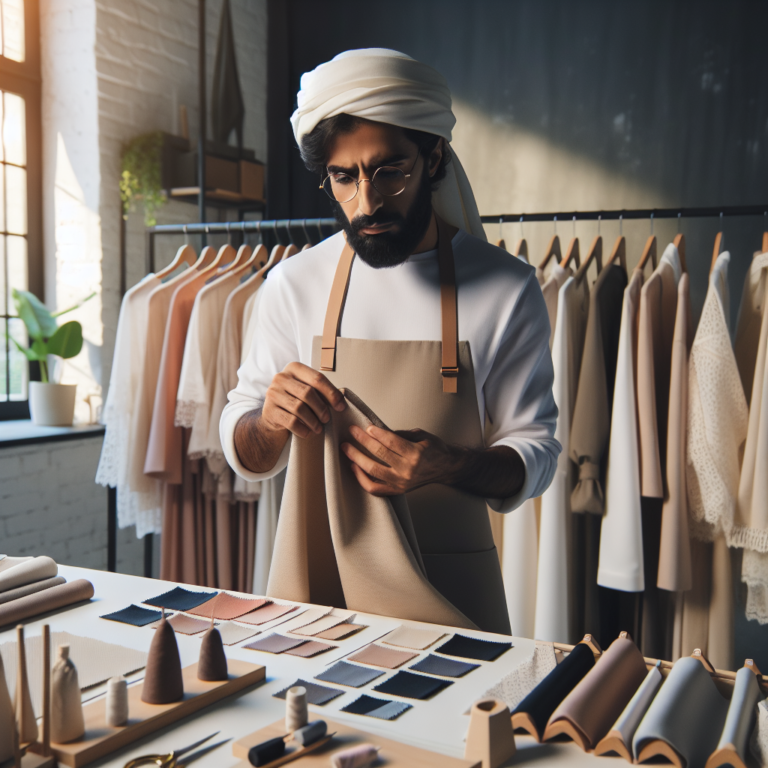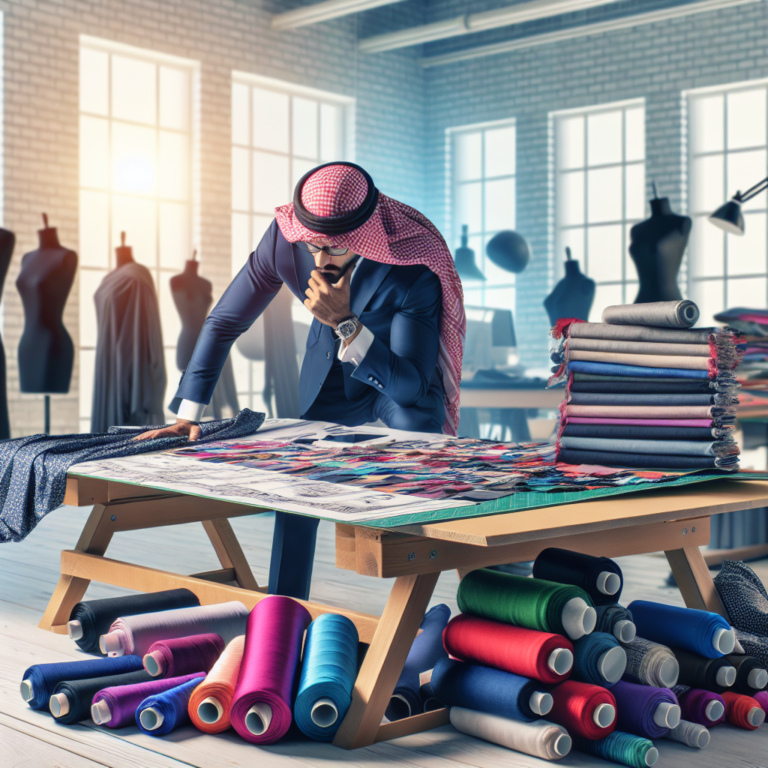
In today’s fast-paced, high-stakes fashion industry, the challenge of overproduction looms larger than ever. As global consumer demand for new styles accelerates, many brands find themselves torn between the drive for profitability and the imperative of sustainability. This tension isn’t just a boardroom conversation—it’s central to the future of fashion, touching every link in the supply chain, from initial sketches to final sale. I recently came across a thought-provoking piece titled “How Fashion Can Overcome Overproduction While Preserving Profitability,” which dives deep into strategies that can help the industry adapt and thrive without compromising the well-being of our planet.
Table of Contents
- Introduction
- The Challenge of Overproduction
- The Business Case for Change
- The Importance of Sustainability
- Strategies for Success
- The Role of Technology in Reshaping Fashion
- Case Studies: Leading by Example
- Key Challenges and the Consumer Perspective
- Opportunities for the Future
- Summary
- FAQs
- Sources
Introduction
As a lifelong fashion enthusiast and sustainability advocate, I regularly grapple with a conflict familiar to many: How can an industry defined by novelty and abundance co-exist with the need for lasting, positive environmental impact? Each year, tens of billions of garments are produced—yet, staggering volumes go unsold, ending up in landfills, recycling centers, or being incinerated. Meanwhile, consumers are increasingly aware of the true cost of fast fashion and are pushing for greener, more responsible business practices.
Brands, from the smallest indie labels to multinational powerhouses, are at a crossroads. Is it possible to reconcile timeless values like creative expression and quality with ecological stewardship and ethical practices? Exploring the latest research, business models, and opinions from industry insiders, this article aims to illuminate actionable strategies for brands—large and small—to navigate fashion’s most urgent challenge: overproduction.
The Challenge of Overproduction
Overproduction in fashion isn’t a new phenomenon, but its scale and ramifications have never been greater. According to Campaign Live, billions of dollars in unsold inventory sit in warehouses worldwide each season. The pressure on designers, manufacturers, and retailers to anticipate and respond to fleeting trends often leads to inflated order volumes. When sales don’t match expectations, leftover products must be liquidated, recycled—often impractically—or destroyed.
This surplus puts a profound strain on our environment. Unused garments are a major contributor to textile waste, a challenge highlighted by the Environmental Protection Agency, which estimates that millions of tons of textile waste are generated annually. Furthermore, each piece of clothing produced consumes water, energy, and raw materials—from resource-intensive cotton to synthetic fibers that shed microplastics.
The causes of overproduction are as varied as they are complex:
- Chasing Unpredictable Trends: With ever-shortening trend cycles and the rise of social media, brands feel compelled to create ever more collections, often with little time to forecast accurately.
- Fear of Stockouts: Retailers worry about missed sales and disappointed customers, leading them to over-order rather than risk empty shelves.
- Globalized Supply Chains: Production lead times can stretch for months, necessitating large orders far in advance of knowing true demand.
All these factors combine to make efficient inventory management a daunting—but essential—task for any fashion brand hoping to survive and thrive.
The Business Case for Change
The financial implications of overproduction reach far beyond environmental harm. For brands, excess inventory ties up valuable capital, erodes margins due to steep discounts, and ultimately undermines brand value and profitability. According to industry sources, excessive discounting not only conditions customers to expect lower prices but also damages a brand’s premium positioning in the market.
Regulatory and reputational pressures further increase the stakes. Governments in major markets are beginning to legislate against textile waste and unsustainable practices, while consumers—and investors—are holding brands to a higher ethical standard. The rise of ESG (Environmental, Social, and Governance) investing means that fashion companies with sustainable business models are more likely to attract both retail customers and capital investment.
In short, the cost of failing to address overproduction is no longer limited to wasted fabric or profitless sales. In an interconnected marketplace where transparency and accountability matter, the way brands handle these issues determines not just market share, but long-term viability.
The Importance of Sustainability
Sustainability is no longer just a buzzword. Over the last decade, consumer sentiment has shifted dramatically. People now expect the brands they support to take clear, tangible steps toward environmental and social responsibility. According to Marketing Week, a powerful 66% of global consumers are willing to pay more for sustainable brands. Millennials and Gen Z lead the charge—these generations are making purchase decisions based not just on price and quality, but also on a company’s ethical and ecological credentials.
Addressing sustainability offers immense benefits beyond satisfying consumer ideals:
- Enhanced Brand Loyalty: Brands that “walk the talk” on sustainability can earn deep consumer trust, resulting in higher loyalty and repeat business.
- Access to New Markets: Compliance with international standards and certifications can open doors to eco-conscious marketplaces and a wider array of customers.
- Future-Proofing: By investing in sustainable operations now, brands can insulated themselves from future regulatory shocks or resource shortages.
Sustainability, then, must not be seen as a cost center, but as a core driver of risk management, innovation, and lasting value.
Strategies for Success
So, where does the industry go from here? Strategic, thoughtful change is required at every stage, from raw material sourcing to customer engagement. The following strategies illustrate how brands can overcome overproduction and remain profitable:
- Leverage Data-Driven Forecasting: Harness analytic tools and real-time sales data to more accurately predict customer demand. AI can analyze historical trends, social media signals, and market movements far faster and more accurately than traditional methods.
- Shorten Production Cycles: Transition to agile manufacturing and supply chains that allow for quicker response to changing tastes. On-demand or small-batch production models reduce both lead time and risk while cutting back on unsold inventory.
- Circular Fashion Models: Implement a circular economy mindset. Design products with end-of-life in mind, encourage garment repair and resale, and use recyclable or biodegradable materials wherever possible. Brands like Patagonia and Eileen Fisher have demonstrated measurable success with buy-back or refurbishment programs that keep older items in circulation.
- Prioritize Quality over Quantity: Move away from the “more is better” mentality. Focus on timeless pieces made to last—an approach that naturally slows down consumption and curbs overproduction.
- Transparent Consumer Engagement: Invite your customers into the process by communicating transparently about sustainability practices, production methods, and how they can contribute by caring for, recycling, or returning used garments.
- Collaborate Across the Supply Chain: Build partnerships with innovative suppliers, manufacturers, and logistics providers who share your sustainability goals. Collaboration opens the door for creative problem-solving, resource sharing, and joint ventures in material science or logistics.
It’s clear that transformation on this level is not a short-term fix, but rather a holistic realignment. For those willing to embrace the challenge, the rewards are not only ethical—they are deeply practical and profitable.
The Role of Technology in Reshaping Fashion
Technology is at the heart of almost every successful sustainability initiative in today’s market. The fashion industry, once slow to digitize, is now seeing a flood of solutions aimed at optimizing everything from design to delivery:
- Artificial Intelligence (AI): AI-driven platforms help brands predict which styles, colors, and sizes are most likely to succeed, based on vast datasets pulled from past performance, social media trends, and even weather forecasts. This improves production planning and reduces risk of overproduction.
- 3D Design and Virtual Sampling: Digital prototyping tools allow designers to create and modify virtual samples, reducing the number of physical prototypes required, saving both time and resources.
- Blockchain for Transparency: Blockchain technology is being adopted to provide end-to-end supply chain transparency. Consumers can now trace the origins and journey of each garment, inspiring trust and verifying sustainability claims.
- Automated Inventory Management: Smart inventory tools automatically suggest production runs, warn of potential overstock situations, and help retailers optimize store assortment. This reduces waste on both ends—at the factory and on the sales floor.
In embracing digital innovation, fashion brands are laying the groundwork for a more flexible, responsive market that values both profit and the planet.
Case Studies: Leading by Example
The good news? Change is already happening. Here are just a few examples of brands leading the charge in impact and innovation:
- Stella McCartney: A trailblazer in sustainable luxury, Stella McCartney has championed regenerative farming, zero-waste garment design, and alternative materials such as mycelium-based leather. Their business model proves that style and sustainability can coexist at the highest levels of fashion.
- Patagonia: Not only does Patagonia stand by its commitment to environmental activism, but it also operates a successful Worn Wear program, encouraging customers to repair or trade in old items rather than purchase new ones. This extends product life, reduces waste, and deepens brand-customer relationships.
- Amour Vert: This eco-conscious label prioritizes small production runs and made-to-order pieces, shrinking the risk of surplus and ensuring each purchase is a conscious one. Their tree-planting campaign (one tree per tee) is a model of how brands can integrate positive impact into their core business.
- H&M’s Circular Initiatives: While often criticized for fast fashion’s environmental toll, H&M is working toward closing the loop with garment collecting programs and investment in fiber recycling technology. Progress may be incremental, but even mega-brands can move the needle.
These innovations demonstrate a broader shift: it is possible—and profitable—to build fashion businesses centered on value, transparency, and care for the future.
Key Challenges and the Consumer Perspective
Transformation is rarely seamless. Brands face several obstacles in their quest to balance precious resources with commercial reality:
- Cost Pressures: Environmentally sound materials and fair labor practices can increase costs, which must be offset creatively to maintain profit margins.
- Consumer Behavior: While there’s growing interest in sustainable fashion, price and convenience remain king for many shoppers. Closing this “intention-action gap” requires education, compelling storytelling, and value-driven marketing.
- Supply Chain Complexity: True transparency means mapping extensive, fragmented global supply chains—an undertaking that requires new technology, training, and partnerships.
- Measurement and Accountability: To cut through “greenwashing,” brands must adopt standardized reporting and third-party certifications to ensure efforts are meaningful and verifiable.
On the flip side, modern consumers are more influential than ever. Tools like resale platforms, rental services, and peer-to-peer sharing have disrupted traditional consumption patterns. By choosing to buy less, invest in quality, or participate in clothing swaps, consumers create pressure that can accelerate industry change.
Opportunities for the Future
Looking ahead, the convergence of technology, policy, and consumer activism offers unprecedented opportunities:
- Innovative materials science is producing alternatives to resource-heavy fabrics and solving recyclability challenges.
- Government incentives and emerging regulation can level the playing field for smaller brands innovating in sustainability.
- Education, especially among the next generation of designers and buyers, is driving a culture shift from throwaway fashion to mindful consumption.
Most importantly, each stakeholder—designers, manufacturers, buyers, and end consumers—has a critical part to play. As this momentum builds, the vision of an industry that harmoniously balances beauty, innovation, and responsibility feels more attainable than ever.
Summary
The fashion industry stands at a crucial juncture: it must address the dual challenges of overproduction and sustainability or risk losing both its customer base and its place in the modern economy. Brands that can exploit technology, deepen consumer engagement, and integrate sustainability at every level will emerge as the leaders of tomorrow. From data-driven design to circular business models and transparent communication, each strategy lights the path forward—toward a fashion landscape that is not only profitable, but truly fit for a thriving, sustainable future.
FAQs
- What is overproduction in fashion? Overproduction means making more clothing than the market demands, resulting in excess inventory, waste, and environmental harm.
- Why is sustainability important in fashion? Sustainability is vital because it responds to consumer demand, protects the planet’s finite resources, and future-proofs brands against economic and regulatory risks.
- How can brands reduce overproduction? Brands can reduce overproduction by leveraging predictive analytics, shortening supply cycles, producing in smaller runs, focusing on quality, and adopting circular economy practices.
- What does a circular fashion economy look like? In a circular economy, garments are designed for long life, repair, reuse, and recycling—minimizing waste at every stage.
- How can consumers support sustainability? Consumers can shop mindfully, support transparent and responsible brands, care for their clothes, and participate in resale or garment recycling initiatives.