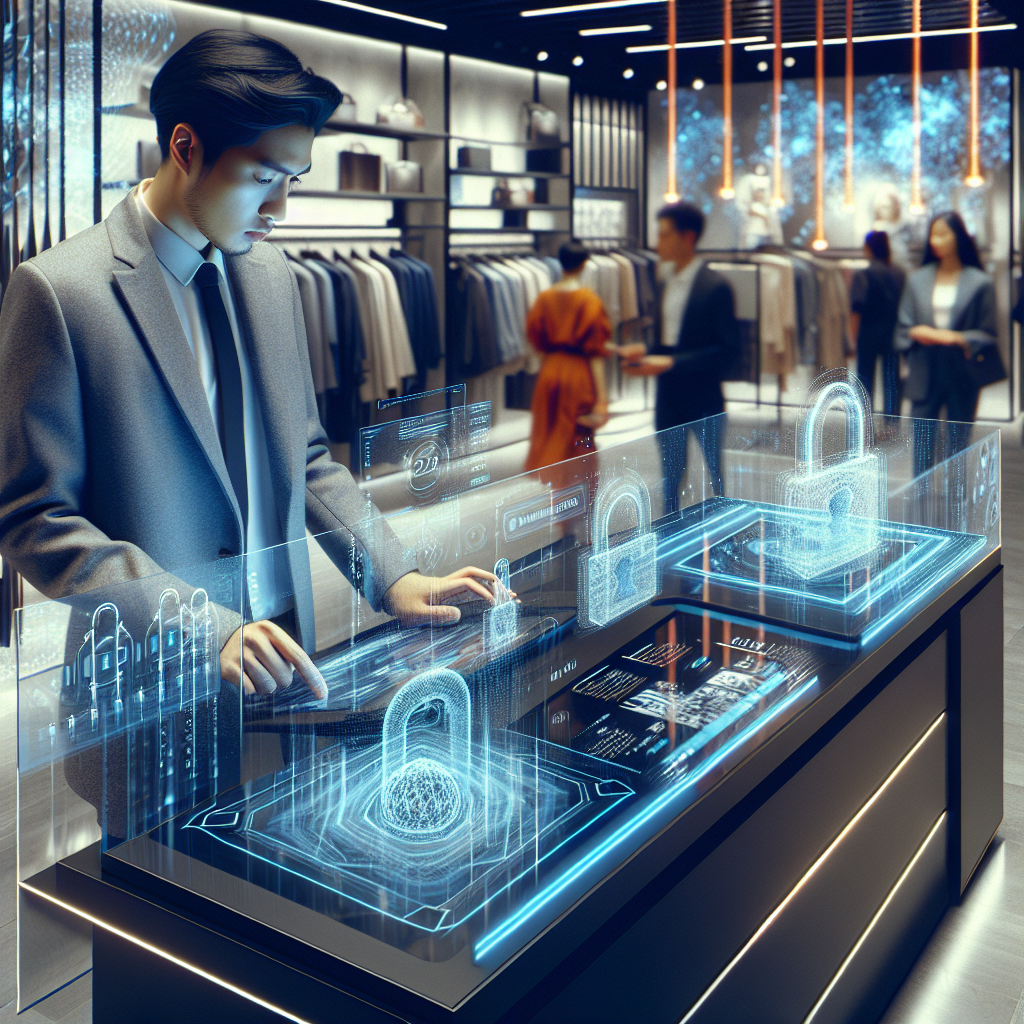
In today’s hyperconnected world, the retail sector stands at the frontline of digital innovation and convenience. Consumers expect seamless transactions, personalized service, and always-on shopping—be it online or in-store. However, with these conveniences comes an increasing threat: the risk of cyberattacks. Protecting your retail business from cybersecurity threats is not only about safeguarding financial assets—it’s about upholding your brand’s reputation, fostering customer trust, and ensuring long-term success. In this comprehensive guide to mitigating retail cybersecurity risks, I will provide actionable insights and strategies aimed at protecting your business and maintaining your competitive edge.
Table of Contents
- Introduction
- Understanding Cybersecurity Risks
- Types of Cyber Threats Facing Retailers
- The Importance of Cybersecurity in Retail
- Actionable Steps to Mitigate Risks
- Advanced Strategies for Cyber Resilience
- Emerging Trends in Retail Cybersecurity
- Case Studies: Real-World Lessons
- Summary
- FAQs
- Sources
Introduction
The retail world is undergoing rapid digital transformation, from e-commerce storefronts to AI-powered recommendation engines. Yet, as more business operations, customer data, and financial transactions migrate online, cybercriminals are evolving their methods—seeking to exploit vulnerabilities at every turn. In this guide, we’ll explore the realities of today’s retail cybersecurity risks, illustrate the consequences of inaction, and arm you with practical, step-by-step approaches to develop and maintain a secure retail operation.
Understanding Cybersecurity Risks
No retail business—large or small—is immune to cyberthreats. According to the International Monetary Fund, the financial and reputational repercussions of such attacks are profound, often spanning regulatory fines, litigation, and severe customer attrition. Understanding the vast tapestry of common and emergent cyber threats is the first step in building an effective defense.
Why Are Retailers Attractive Targets?
Retailers are enticing to cybercriminals for a variety of reasons:
- High Transaction Volume: With thousands or millions of daily transactions, retailers process vast amounts of sensitive data—payment card details, personal information, and more.
- Diverse IT Systems: Complex retail ecosystems combine point-of-sale (POS) systems, ecommerce platforms, inventory management, and supply chain links—creating multiple points of vulnerability.
- Seasonal Spikes: Peak periods like Black Friday or holiday shopping seasons see increased online and in-store traffic, often straining existing security resources.
- Third-Party Vendors: Many retail operations rely on vendors for payment processing, logistics, and software. Weaknesses in vendor security can expose retailers to compromise.
Types of Cyber Threats Facing Retailers
Retailers must be vigilant against an evolving array of cyber threats. Some of the most common forms include:
- Data Breaches: Unauthorized access to sensitive customer or business data tops the list of retail cyber risks. Hackers may target databases, email accounts, or cloud storage, seeking personally identifiable information (PII) and payment card data.
- Point-of-Sale (POS) Malware: Malicious software can be installed on in-store POS terminals to capture credit card information during purchase transactions. Famous attacks like those on Target and Home Depot were rooted in POS malware.
- Ransomware: Attackers encrypt vital files or whole systems and demand payment in exchange for decryption keys. Retailers face both ransom costs and downtime, with lost sales and eroded trust.
- Phishing Attacks: Sophisticated phishing emails or text messages lure employees into revealing credentials or downloading malware. Some campaigns target HR or finance staff, while others aim for store-level employees.
- Distributed Denial-of-Service (DDoS) Attacks: Flooding websites or online services with traffic can render them inaccessible to shoppers and result in lost revenue, especially during peak sale events.
- Account Takeover Fraud: Attackers use stolen login credentials to make fraudulent purchases or access loyalty programs, causing financial loss and customer dissatisfaction.
- Supply Chain Attacks: Compromised third-party integrations, weak vendor security, or tampered software updates can give attackers a backdoor into your infrastructure.
The Importance of Cybersecurity in Retail
As the retail sector rapidly adopts new digital technologies, the need for robust cybersecurity grows increasingly acute. Consider the following realities:
- Customer Trust is Fragile: Retailers thrive on positive customer experiences. After a breach, 80% of consumers say they would defect to a competitor if their data were compromised, according to recent industry research.
- Financial Fallout Can Be Dire: The Bloomberg report notes that an overwhelming 60% of small businesses hit by a successful cyberattack are forced to shut their doors within six months.
- Regulatory Penalties: Data protection laws such as Europe’s GDPR or California’s CCPA can result in massive penalties for non-compliance following a breach. This is true even for businesses that operate online, serving customers globally.
- Operational Disruption: Even a minor attack can paralyze operations—causing downtime for payment systems, preventing inventory management, or halting e-commerce transactions.
Actionable Steps to Mitigate Risks
The good news? While cyber risks evolve, so do the defenses available to retailers—regardless of company size or budget. Here are the fundamental, actionable steps every retail business can start implementing today:
- Conduct Regular Security Audits: Schedule independent audits and penetration tests to reveal vulnerabilities in your network, endpoints, and payment systems. Use these assessments not just for compliance but for continuous improvement.
- Train Your Employees: Human error remains the weakest link in any security chain. Regularly educate all staff—store associates, warehouse teams, management—on the latest phishing tactics, social engineering ploys, and best cyber hygiene practices. Run simulated phishing drills to test awareness.
- Use Strong Passwords and Multifactor Authentication (MFA): Encourage (or require) the use of unique, complex passwords across all store and back-office platforms. Implement MFA for access to sensitive systems—even simple push notifications or SMS codes can thwart many attacks.
- Keep Software and Devices Updated: Promptly install security updates and patches for all operating systems, POS terminals, mobile devices, and business applications. Patch management should be a routine, scheduled process.
- Establish a Response Plan: Every retailer should have a documented, well-practiced incident response plan. Define how to detect and contain a breach, who to contact internally and externally, and what legal or regulatory steps must be taken. Practice tabletop exercises to keep your team sharp and prepared.
- Segment Your Network: Limit the spread of attacks by creating separate networks for POS, guest Wi-Fi, and staff access. Restrict network privileges to only those who need them for their roles.
- Secure Payment Processing: Use end-to-end encryption for all payment transactions. Partner with reputable payment processors and monitor for anomalies in transaction data.
- Collaborate with Vendors: Evaluate third-party partners and software vendors for their security posture. Include cybersecurity requirements in contracts, and ensure you are notified of any incidents or vulnerabilities affecting the supply chain.
- Back Up Critical Data: Regularly back up all business-critical data and test your ability to restore it quickly. Store backups securely and offline when possible to protect against ransomware.
By implementing even a subset of these steps, you can vastly reduce your attack surface—and boost your confidence in meeting new cyber challenges as they arise.
Advanced Strategies for Cyber Resilience
For retailers with more mature digital operations or complex infrastructure, additional steps can supercharge your cybersecurity program:
- Deploy Behavioral Analytics: Modern security tools use machine learning to spot unusual behavior—such as an employee accessing sensitive data at a strange hour or a sudden spike in failed login attempts. Early detection enables faster response and mitigation.
- Implement Zero Trust Architecture: Instead of assuming any internal traffic is safe, adopt a ‘never trust, always verify’ approach. This limits movement for attackers even if they breach one system or user account.
- Red Teaming and Threat Hunting: Go beyond basic penetration testing by hiring ethical hackers to simulate sophisticated attacks. Use internal threat-hunting teams to proactively search for hidden breaches or compromise.
- Automate Threat Response: Invest in Security Orchestration, Automation, and Response (SOAR) platforms that can automatically quarantine affected endpoints or block suspicious logins in real time.
- Participate in Information Sharing: Join local or sector-specific cybersecurity groups and share threat intelligence. Learning from peers can help you stay ahead of emerging attack techniques.
Emerging Trends in Retail Cybersecurity
The retail threat landscape is dynamic, and staying informed is critical. Here are a few emerging trends retailers should monitor:
- Increased Use of AI—By Both Sides: Cybercriminals are leveraging artificial intelligence for more targeted phishing, credential stuffing, and bot attacks. In turn, retailers are deploying AI-powered defenses for threat detection and fraud prevention.
- Attacks on Supply Chains: As retailers embrace just-in-time inventory and global e-commerce logistics, attackers are looking for new ways to infiltrate via software updates, vendor integrations, or hardware compromise.
- Rise of Omnichannel Risks: Unified commerce strategies blend online, mobile, and in-store experiences—but can also expose more vulnerabilities if systems are not consistently secured.
- Biometric Authentication: More retailers are piloting facial recognition, fingerprint scanning, or behavioral biometrics, not just for payments, but for fraud detection at POS or in loyalty programs.
- Regulatory Evolution: As privacy legislation expands globally, retailers must keep pace with compliance requirements—especially if they serve international customers.
Case Studies: Real-World Lessons
Learning from the successes and failures of others can provide powerful lessons for your own business. Here are two illustrative examples:
1. The Holiday Breach That Shook an Industry
Several years ago, a major U.S. retailer experienced a massive breach just before the holiday shopping season. Attackers gained entry via a third-party HVAC vendor with weak credentials, then moved laterally to access the point-of-sale network. Over 40 million credit card numbers and millions of customer email addresses were stolen. The company faced lawsuits, regulatory sanctions, and a multi-million-dollar reputational crisis—even seasoned IT staff were caught off-guard by the reality of supplier risk. The breach ultimately led to sweeping changes in vendor management and network segmentation throughout the industry.
2. Turning a Crisis into Opportunity
Conversely, a mid-sized specialty retailer recently experienced a ransomware attack that encrypted their ecommerce database. Thanks to robust backups and a well-drilled incident response team, the company restored operations within hours—all without paying a cent to criminals. Their openness in communicating with customers, combined with post-incident transparency initiatives, actually enhanced consumer trust and loyalty, proving that preparedness and honesty can turn cybersecurity adversity into a competitive advantage.
Summary
Cybersecurity is not a one-time investment or an IT-only concern—it is an ongoing business imperative for every retailer. The stakes are high: a single breach can result in not just financial loss, but years of lost trust. But by deeply understanding your risks, taking proactive steps to secure systems, training your people, and preparing for the unexpected, you can build a resilient business ready to compete and thrive in the digital era.
FAQs
- What is the most common type of cyberattack in retail? Data breaches (especially theft of payment card and customer data) and ransomware attacks currently top the list. Phishing and POS malware are also rampant.
- How can I train my employees on cybersecurity? Run regular workshops, deploy online training modules, and conduct simulated phishing campaigns. Empower all staff to report suspicious activity and reward participation.
- Is cybersecurity expensive? The real cost is in ignoring it—breach costs far outweigh preventative measures. Fortunately, many best practices (strong passwords, employee training, prompt patching) are low-cost or free to implement.
- What should I do if my business experiences a cyberattack? Activate your response plan: contain the threat, preserve evidence, notify affected customers and authorities as required, and collaborate with cybersecurity experts for recovery and remediation.
- Do small retailers really need to worry about cyberattacks? Absolutely—attackers often target small and medium businesses precisely because they typically have weaker defenses and fewer resources for recovery.