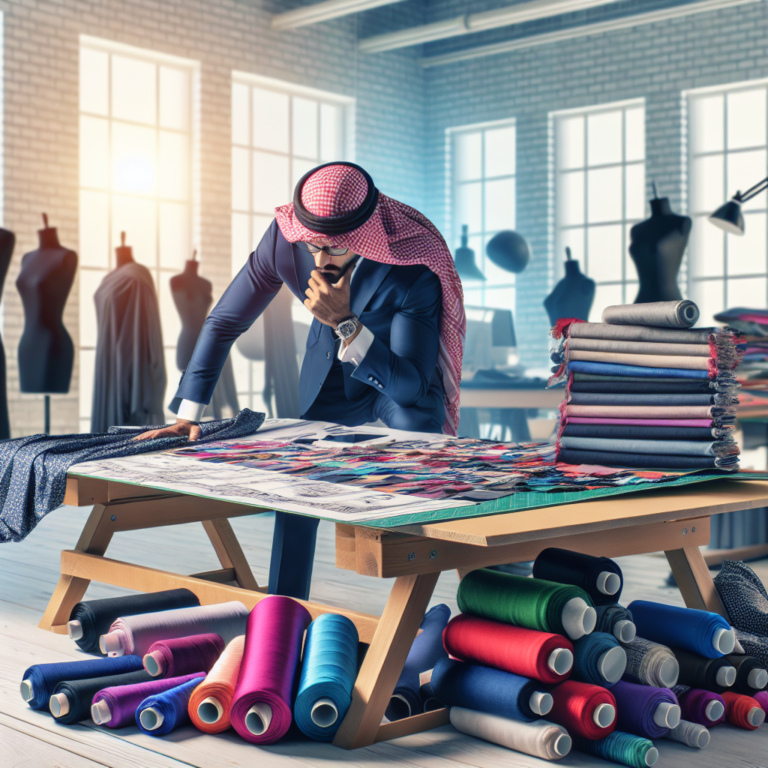
In today’s ever-evolving fashion industry, the issue of overproduction looms larger than ever before. With an industry defined by breakneck seasonal cycles, constant innovation, and growing consumer awareness about environmental impact, finding a balance between supply and demand is both a challenge and an opportunity. In this in-depth exploration of how fashion can overcome overproduction while preserving profitability, I want to share actionable insights, creative strategies, and sustainable practices that can help brands not only minimize waste but also thrive in an increasingly conscious marketplace.
Table of Contents
- Introduction
- Understanding Overproduction in Fashion
- Deeper Causes of Overproduction
- Impact on Profitability
- Strategies to Reduce Overproduction
- Technology Solutions in Fashion Production
- Sustainable Practices for Profitability
- Global Case Studies
- Conclusion
- FAQs
- Sources
Introduction
The fashion industry is characterized by rapid trend cycles, global competition, and pressures of mass production. However, the consequences—both financial and environmental—are severe when production outpaces demand. Overproduction leads not only to overstuffed warehouses and steep markdowns but also results in vast amounts of textiles ending up in landfills. An urgent call for change is sounding throughout the industry as stakeholders recognize that profitability cannot come at the planet’s expense.
As I closely follow these trends, it’s clear that adapting to a future founded on innovation, agility, and sustainability isn’t just admirable—it’s necessary. Fortunately, emerging solutions and consumer mindsets offer hope and practical models to strike a balance between risk and reward, profit and responsibility.
Understanding Overproduction in Fashion
Overproduction refers to manufacturing more products than can reasonably be sold, resulting in surplus inventory. This problem, while hardly new, has been exacerbated by the ascent of fast fashion and international supply chains. According to Campaign Live, over 100 billion garments are manufactured annually, with a shockingly high percentage destined for landfill.
Unlike industries selling standardized goods, fashion faces the unique challenge of fluctuating customer tastes and unpredictable trend cycles. What might be “in” today could appear dated in just months. Companies chasing growth may prioritize volume over accuracy, only to find themselves discounting or destroying unsold clothing at season’s end. At its root, overproduction signals a misalignment between what brands think shoppers will buy and what shoppers actually purchase.
Deeper Causes of Overproduction
To truly address overproduction, we must examine the layered roots of this systemic challenge:
- Fast Fashion’s Model: The fast fashion explosion encourages ultra-quick product development and launches. Brands release styles within weeks and mass-produce without precise data, betting on making certain trends viral. This is lucrative in the short term, but when predictions miss, products languish.
- Inaccurate Demand Forecasting: Many brands traditionally relied on intuition or outdated sales data to predict future demand. The lag between trend identification and getting products on the shelves—often several months—means companies must guess years in advance, leading to inevitable errors and surplus.
- Globalization & Supply Chains: Far-flung production facilities mean lead times are long and minimum order quantities high. Brands overproduce to meet supplier requirements or ensure economies of scale, even when data suggests lower future demand.
- Seasonal Buying Patterns: The sometimes arbitrary nature of fashion seasons pushes brands to develop entire new collections multiple times a year, often producing bulk quantities that don’t align with real-world sales cycles—especially with climate patterns growing less predictable.
- Markdown-Sale Addiction: Some brands have built their business models around aggressive discounting, essentially creating demand for cheap, surplus stock. Yet this erodes profit margins and can harm brand prestige in the long run.
Impact on Profitability
While large-scale production can drive down unit costs, the consequences of miscalculation are steep. Unsold inventory ties up precious capital and clutters supply chains. According to Marketing Week, retailers face up to a 30% drop in profit margins due to excess stock costs—stemming from storage, inventory management, transportation, and ultimately necessary discounts.
Moreover, the impact is not just financial. Increasing global focus on sustainability means that brands seen as wasteful can suffer reputational harm. Social media-savvy consumers are quick to scrutinize and call out negative practices. In the past decade, several large brands have made headlines for tearing, burning, or incinerating unsold clothing—decisions that sparked public outcry and long-lasting damage to their image and bottom line.
Savvy brands recognize that sustainable, smart inventory management does not have to mean sacrificing profits. In fact, as consumer loyalty shifts toward transparent and responsible companies, profitability and sustainability can thrive in tandem.
Strategies to Reduce Overproduction
The good news: there are a wealth of strategies—tried and tested by leading brands and emerging designers—that can dramatically shrink overproduction risks.
- Data-Driven Decision Making: Harnessing advanced analytics to accurately forecast demand means brands can produce closer to what will actually sell. By mining past sales, seasonal trends, and real-time market data, brands can adjust production plans dynamically.
- Flexible and Modular Production: Modular design allows brands to create base garments that can be adapted or styled seasonally. Shorter production runs and split deliveries enable a rapid response to actual sales, rather than forecasts made months prior.
- On-Demand Manufacturing: Digital tools and improved logistics allow certain manufacturers to produce only what’s ordered by retailers or even end customers. While not feasible for all product types, technologies like 3D knitting and digital pattern cutting make it increasingly possible for basics and personalized items.
- Consumer Co-Creation & Pre-Orders: Involving customers in pre-order campaigns, crowdsourcing trends, or letting them configure styles in advance gives invaluable demand information. Pre-order models have been effectively used in the luxury and direct-to-consumer markets, reducing unsold stock to near zero.
- Close Supplier Relationships: Proximity and transparency with suppliers allow for smaller minimum order quantities, more frequent reorders, and better communication in responding to real-time demand changes. The old model of enormous “just-in-case” orders is giving way to agile, responsive partnerships.
Technology Solutions in Fashion Production
The marriage of fashion and technology is transforming what’s possible in production planning and management. New tools and platforms are revolutionizing how brands approach the supply-demand equation:
- AI-Powered Forecasting & Trend Analytics: Advanced algorithms analyze social conversations, online search, and buying data to spot emerging trends—sometimes before they even hit runways.
- Digital Sampling & Virtual Fashion Shows: By creating digital prototypes rather than physical samples, brands can refine collections based on feedback before actual manufacturing begins—a huge waste saver.
- 3D Knitting, Print-on-Demand, and Automated Sewing: These innovations allow retailers to manufacture only the quantity, size, and even color that’s sold, virtually eliminating excess stock for certain product categories.
- Inventory Optimization Software: Integrating back-end inventory with front-end analytics means businesses can optimize stock levels and automate replenishments with far greater precision.
Brands large and small—from luxury houses to streetwear startups—are already adopting these tech-driven tools to align production with real-time consumer demand.
Sustainable Practices for Profitability
Profitability does not have to come at the cost of either the planet or a company’s reputation. There are powerful, actionable ways fashion brands can build sustainability into their business models:
- Eco-Friendly Materials & Circular Practices: Investing in sustainable materials—whether recycled synthetics, upcycled fabrics, or organic textiles—resonates with consumers who are increasingly voting with their wallets. The use of recycled polyester or circular processes to turn waste into new fabric are expanding rapidly.
- Recycling, Upcycling & Deadstock Repurposing: Rather than burning or discarding unsold inventory, more brands are turning to creative upcycling. Older goods can be deconstructed and redesigned, or offered at discount in second-chance boutiques.
- Supply Chain Transparency: Disclosing sourcing and labor practices, carbon footprint, and environmental impact not only builds consumer trust but also encourages accountability throughout the supply chain.
- Return, Repair, and Resale Programs: Offering repair services, take-back initiatives, or certified pre-owned resale encourages product longevity and creates new revenue channels. Brands like Patagonia have shown that such programs boost both the bottom line and customer loyalty.
- Consumer Education: Empowering shoppers to make informed decisions—highlighting the value of quality over quantity, or providing cost-per-wear calculations—encourages mindful purchasing and supports slower, more sustainable fashion cycles.
- Purpose-Driven Marketing: Brands that openly share their journey toward reducing waste and overproduction attract a growing group of conscious consumers seeking authenticity and value.
A study from HubSpot notes that more than 60% of modern consumers are willing to pay a premium for sustainably produced garments. In this sense, the industry’s shift toward sustainable practice is not only a moral imperative but a business one.
Global Case Studies
Let’s look at some brands—from global icons to emerging disruptors—who are pioneering ways to curb overproduction while boosting their bottom line:
- LVMH & Digital Prototyping: The luxury giant has shifted much of its initial design review process to digital, producing fewer physical samples. This streamlines collection development and slashes waste, with only the strongest designs entering production.
- Zara’s Agile Supply Chain: Zara is lauded for keeping production close to headquarters and running smaller, more frequent batches. With the ability to restock stores within weeks, Zara reduces the risk of overcommitting to a product that might not resonate, and learns directly from real-time sales data.
- Reformation’s Localized On-Demand Production: The U.S.-based brand leverages data and flexible LA-based production facilities to manufacture closer to demand, resulting in less inventory and minimal discounting.
- Smaller DTC Brands & Crowdfunding: Indie labels and direct-to-consumer upstarts use pre-order and crowdfunding campaigns to validate demand before investing in production, fostering both exclusivity and waste reduction.
These models demonstrate there’s no one-size-fits-all answer, but the path to reducing overproduction is paved by innovation, agility, and breaking free from fashion’s old, wasteful cycles.
Conclusion
The battle against overproduction in the fashion industry is admittedly formidable, but far from hopeless. Brands open to disrupting legacy processes, investing in technology, and building stronger feedback loops with both consumers and suppliers stand not only to minimize waste, but also to future-proof their businesses against changing market forces.
Ultimately, overcoming overproduction should not be seen as a cost of doing business, but as an opportunity for conscious growth, innovation, and industry leadership. True profitability is found at the intersection of financial success and a clear, responsible mission—and the brands embracing this new paradigm will be those who thrive in the years ahead.
FAQs
- What is overproduction in fashion? Overproduction refers to manufacturing more garments than can be sold, leading to excess inventory and waste.
- Why does fashion suffer from overproduction? Traditional forecasting models, long production lead times, a desire to meet seasonal trends, and a pursuit of volume-driven profits all contribute to endemic overproduction.
- How does overproduction affect profitability? The hidden costs of storage, discounting, disposal, and reputation erosion significantly diminish profit margins, sometimes outweighing savings made from mass production.
- How can technology reduce overproduction in fashion? Improved forecasting, digital design and sampling, on-demand production, and inventory optimization platforms all help brands better align manufacturing with consumer demand.
- Can sustainable fashion be profitable? Absolutely! As consumers increasingly seek out ethical brands and are willing to pay a premium for sustainable goods, profitability and responsibility are now mutually reinforcing. Sustainable supply chains also minimize waste costs and foster loyalty.
- What are some leading brands in waste reduction? Industry leaders like Zara, Reformation, and luxury houses under LVMH are aligning production to demand, digitalizing processes, and turning waste into opportunity.