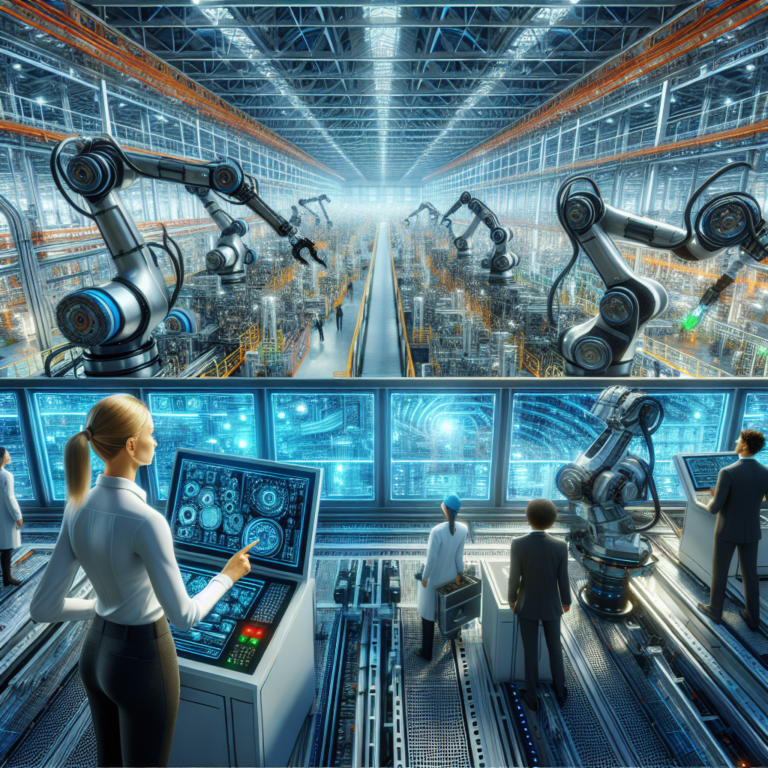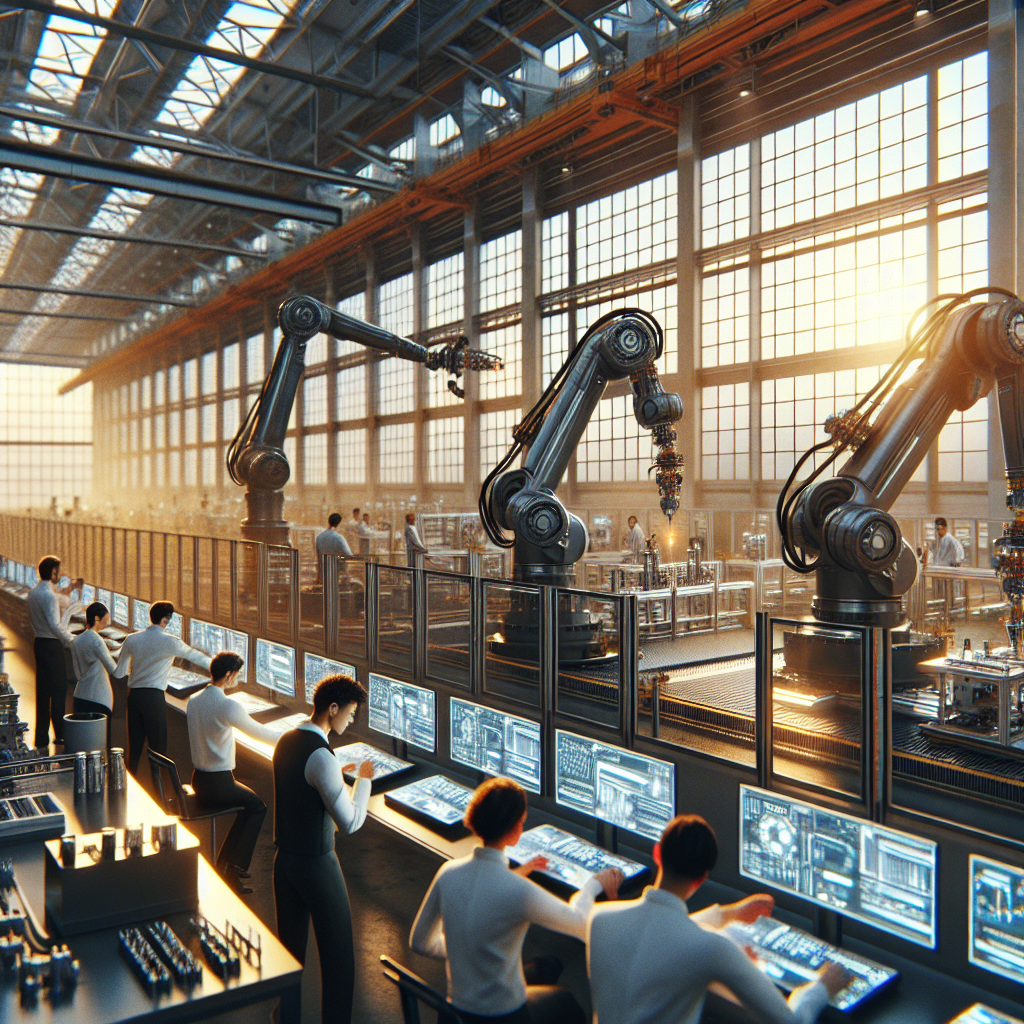
As I read about Rockwell Automation’s plans to raise its manufacturing footprint in India, I couldn’t help but feel excited about the potential impact this could have on the industry. With increasing demand for automation and digital transformation, this move could significantly enhance operational efficiency in various sectors. Let’s explore what this means for the future of manufacturing in India and how it marks a strategic inflection point for both the company and the wider ecosystem.
Table of Contents
- Introduction
- Rockwell Automation’s Expansion Plans
- Drivers Behind the Expansion
- The Importance of Automation in Manufacturing
- Impact on the Indian Manufacturing Industry
- Challenges and Opportunities
- Actionable Steps for Businesses
- Future Outlook: India in the Global Arena
- Summary
- FAQs
- Sources
Introduction
Rockwell Automation, a global leader in industrial automation and digital transformation, is making a strategic move to expand its manufacturing capabilities in India. This initiative is not just about increasing production; it’s about fostering innovation, nurturing talent, driving the adoption of cutting-edge technologies, and enhancing the overall efficiency of manufacturing processes in the country. In this article, we’ll delve deep into Rockwell’s expansion plans, the broader importance of automation, its likely effects on India’s manufacturing sector, the challenges ahead, and actionable strategies for businesses embracing this new era.
Rockwell Automation’s Expansion Plans
According to recent reports and industry statements, Rockwell Automation is planning to significantly increase its manufacturing footprint in India. But what exactly does this expansion entail?
- Establishment of New Manufacturing Facilities: Rockwell is setting up or expanding new state-of-the-art manufacturing units in India, adding to its existing presence in the country. These modern plants will be equipped with advanced automation, robotics, and data analytics platforms.
- Enhanced R&D Operations: The company is also investing in research and development centers, aiming to localize product innovation for Indian market needs and even export new solutions globally.
- Collaborative Ecosystem: By partnering with Indian technology partners, academic institutions, government agencies, and start-ups, Rockwell intends to create a collaborative innovation ecosystem that nurtures homegrown talent.
- Localized Solutions: Instead of simply importing global products, Rockwell’s aim is to tailor automation solutions specifically for Indian manufacturers, factoring in the diverse requirement across sectors such as automotive, food & beverages, pharmaceuticals, and textiles.
This expansion is part of the company’s broader Asia-Pacific growth strategy—recognizing India not only as a huge market but as a future innovation and manufacturing hub for both domestic consumption and export.
Drivers Behind the Expansion
What is fueling this bold move? Several key trends and incentives make India the logical next step for a company like Rockwell Automation:
- Growing Domestic Market: India’s manufacturing sector is expanding rapidly, with the government’s “Make in India” initiative accelerating investment, infrastructure development, and foreign direct investment.
- Demand for Automation & Digitalization: Companies across India are adopting automation to increase productivity, quality, and reliability amid increasing global competition and rising labor costs.
- Talent Pool and Cost Competitiveness: India boasts a large, skilled engineering and IT workforce, making it an attractive destination both for building and supporting high-tech automation systems.
- Government Reforms: Indian policymakers continue to roll out incentives for digital transformation, R&D centers, and export-oriented manufacturing—for example, production-linked incentive (PLI) schemes.
- Resilience & Diversification: Global supply chains are being reimagined to be less dependent on one region. India, with its robust infrastructure and innovation ecosystem, is becoming a key player in this supply chain diversification.
The Importance of Automation in Manufacturing
Industrial automation—the use of advanced control systems, robots, data platforms, and artificial intelligence (AI)—is revolutionizing manufacturing globally. Its importance is underscored by several core benefits:
1. Efficiency and Productivity
According to Automation.com, companies that adopt automation technologies can see productivity increases of up to 30%. Robots, sensors, and programmable logic controllers operate around the clock, minimize downtime, and streamline supply chains.
2. Cost Reduction
Automation reduces operational and labor costs. Machines can perform repetitive tasks faster, with fewer errors and less wastage. In resource-intensive industries, this can save millions annually.
3. Quality Assurance
Consistency is the hallmark of automation—products are made to precise specifications, minimizing defects, waste, and rework. Real-time monitoring and predictive maintenance also mitigate downtime.
4. Worker Safety and Upskilling
Dangerous, monotonous, or hazardous jobs are increasingly handled by machines. Workers instead focus on quality control, data analysis, and supervision—creating new, higher-value job opportunities and a shift toward upskilling.
5. Agility and Customization
Modern automation platforms enable rapid product changeovers and flexible manufacturing. Manufacturers are able to customize production in response to changing market demands and consumer trends.
6. Data-Driven Insights
Smart factories powered by connected devices (Industrial IoT) and AI generate valuable data on operations, production, energy usage, and machine health. Insights from this data help optimize productivity and inform strategic decisions.
Impact on the Indian Manufacturing Industry
The expansion of Rockwell Automation in India has the potential to catalyze change across the manufacturing landscape. Here’s how:
1. Accelerated Digital Transformation
With greater access to cutting-edge automation solutions, more Indian manufacturers—large and small—can accelerate their digital transformation journeys. This will enhance their global competitiveness and readiness for Industry 4.0.
2. Job Creation…And Reinvention
While automation does reduce repetitive manual roles, it also creates new demand for engineers, technicians, data analysts, and cybersecurity professionals. Upskilling programs and partnerships with educational institutions will be key in smoothing the workforce transition.
3. Small and Medium Enterprises (SMEs) Inclusion
Rockwell is expected to roll out scalable, affordable automation solutions suited for India’s vast network of SMEs—often the backbone of the economy. Providing access to modular technologies and localized support can unlock productivity improvements sector-wide.
4. Boosting Exports
With higher output, consistent quality, and international certifications enabled by automation, Indian manufacturers are positioned to grow their exports—vital for economic growth and global supply chain integration.
5. Enhanced Entrepreneurial Ecosystem
Rockwell’s presence will likely foster more industrial start-ups, research collaborations, and public-private partnerships, helping build a vibrant entrepreneurial and R&D ecosystem focusing on digital transformation and manufacturing excellence.
Challenges and Opportunities
Despite the clear advantages, this transformation brings new challenges as well:
- Workforce Transition: The shift to automation requires the reskilling and upskilling of millions of workers. Without adequate investment, parts of the workforce risk being left behind.
- Cybersecurity Risks: With increased digitalization, manufacturing plants become potential cyber-attack targets. Companies must invest in robust security protocols and awareness.
- Adoption Barriers: High upfront costs, reluctance to change, and lack of awareness can slow automation adoption among smaller firms.
- Infrastructure Gaps: Power outages, inconsistent internet, and gaps in logistics can limit the full benefits of automation in certain regions.
The key is to view these not just as obstacles but as opportunities for innovation, job creation, and inclusive growth if tackled proactively.
Actionable Steps for Businesses
For businesses looking to adapt to this rapidly changing landscape, here are some actionable strategies and steps:
- Invest in Training and Upskilling: Equip your workforce with the skills needed to operate new automation technologies. Consider partnerships with training institutes, industry associations, and leveraging online platforms offering specialized courses.
- Evaluate Digital Readiness: Review your current IT and manufacturing processes to identify areas where automation can provide the greatest return on investment (ROI). Pilot projects with measurable metrics are a prudent first step.
- Collaborate with Technology Providers: Engage with companies like Rockwell Automation to explore tailored solutions. Look for modular offerings that allow you to experiment, learn, and expand at your own pace.
- Stay Informed and Connected: Monitor industry trends and advancements in automation technology through trade publications, attending webinars, industry expos, and benchmarking best practices against global leaders.
- Pursue Government Incentives: Avail of government grants, tax benefits, and technical support programs designed to promote automation and skill development.
- Build a Culture of Innovation: Encourage experimentation, agile working, and change management to help your workforce embrace new technologies and ways of working.
Taking these steps will not only future-proof your business but also position it to thrive in the era of digital manufacturing.
Future Outlook: India in the Global Arena
As Rockwell Automation and other global giants deepen their commitment to India, the country stands at the threshold of becoming a global manufacturing leader. Some anticipated long-term outcomes:
- India as a Smart Manufacturing Hub: With rising adoption of automation, India can position itself as a center of excellence for not just manufacturing but also for digital innovation, AI-driven production, and supply chain logistics.
- Export of Automation Solutions: Products and platforms developed in India for local challenges can find global markets with similar requirements, especially in developing economies.
- Holistic Skill Development: Industry-academia partnerships will nurture technical and digital skills, ensuring future generations are ready for high-tech jobs in manufacturing, R&D, and systems integration.
- Environmental Sustainability: Automation enables resource-efficient manufacturing, optimized energy use, and waste minimization. As India moves towards greener factories, this aligns with global sustainability goals.
- Resilience to Global Shocks: A robust, technologically advanced manufacturing base will make India more resilient to disruptions in global supply chains, pandemics, and other crises.
The ripple effect of these developments can transform not only manufacturing but also adjacent sectors—from supply chain to IT, education, and infrastructure.
Summary
Rockwell Automation’s plans to expand its manufacturing footprint in India mark a pivotal moment for the country’s industrial landscape. This initiative represents a significant opportunity: stimulating job creation, digital innovation, global competitiveness, and economic growth. As automation continues to reshape manufacturing, businesses must adapt by investing in technology, training, and robust digital strategies to harness the transformative potential and remain competitive. The journey ahead will require collaboration, bold investments, and an inclusive approach to ensure technology uplifts all sectors of the economy. But one thing is clear—the future of manufacturing in India is smarter, faster, and brimming with promise.
FAQs
- What is Rockwell Automation?
Rockwell Automation is a leading global provider of industrial automation and information technology, delivering solutions that drive productivity, safety, and sustainability in manufacturing and other sectors. - Why is automation important in manufacturing?
Automation improves efficiency, reduces operational costs, minimizes human error, boosts product quality, and enables manufacturers to respond quickly to market changes—ultimately raising productivity and global competitiveness. - How can businesses prepare for automation?
Businesses should invest in upskilling their workforce, assess their digital and process readiness, explore partnerships with technology providers, leverage government incentives, and foster a culture of experimentation and continuous learning. - What sectors will benefit most from Rockwell’s expansion in India?
Sectors such as automotive, food & beverages, pharmaceuticals, electronics, and textiles are poised to reap immediate benefits. However, the broader ecosystem—including SMEs, logistics, and services—will also be positively impacted. - Will automation lead to job losses?
While some repetitive and manual roles may decline, automation also creates new jobs in engineering, maintenance, IT, data analytics, and R&D. The emphasis will shift from manual labor to higher-value, knowledge-intensive roles. - How will small companies be able to afford automation?
With the introduction of affordable, modular solutions tailored to the needs of SMEs, smaller companies can implement automation in stages—minimizing upfront costs and maximizing ROI. Government incentives further ease the adoption curve.