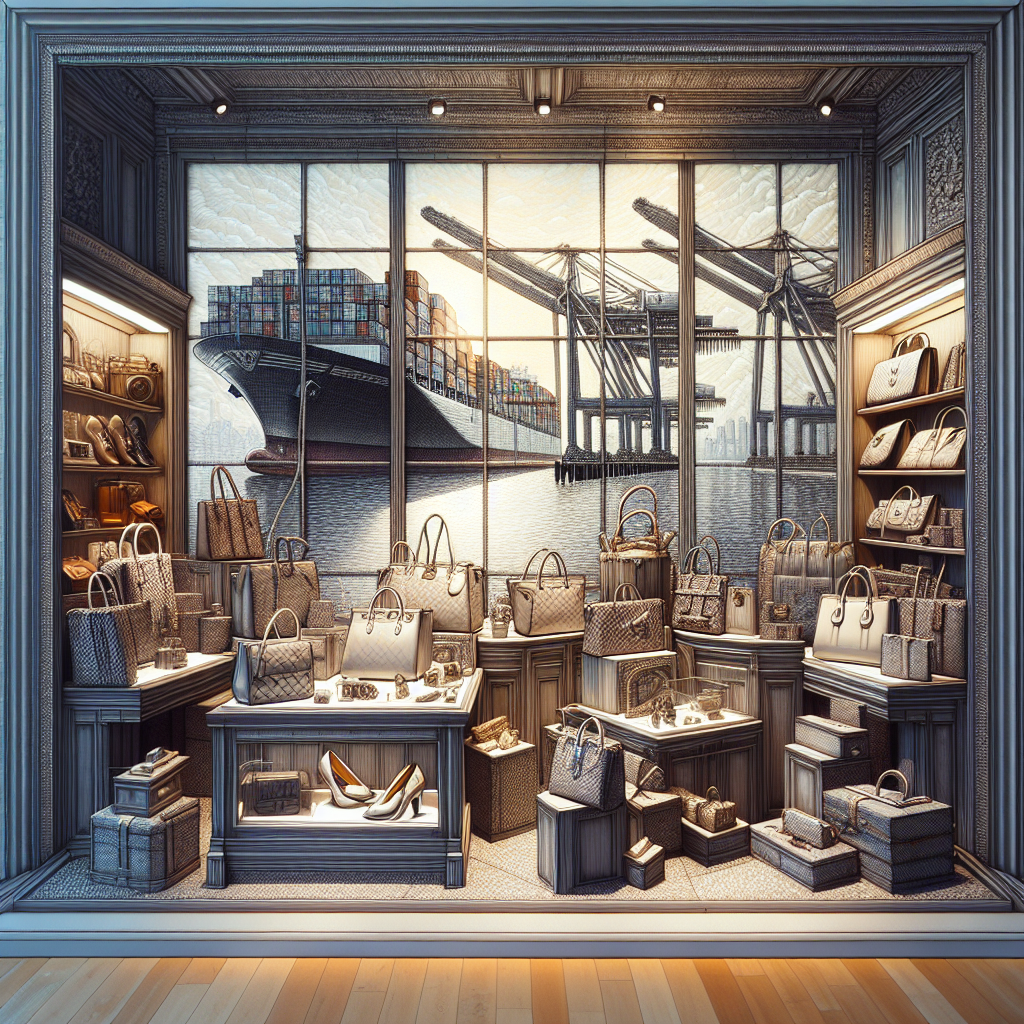
Have you ever wondered how tariffs impact luxury brands? The issue of tariffs and international trade rules has taken center stage in recent years, affecting industries from agriculture to technology to automobiles. But perhaps nowhere does it spark as much intrigue – and anxiety – as in the rarefied world of luxury brands. If you’re curious about how a government-imposed trade policy can ripple through the likes of Chanel, Gucci, Rolex, and Louis Vuitton, you’re not alone. The implications are complex, touching on everything from pricing and supply chain logistics to brand perception and global strategy. In this article, I’ll unravel how tariffs specifically shape the luxury marketplace, what challenges the world’s top brands face, and the strategies they’re deploying to survive—and even thrive—in a shifting global economy.
Table of Contents
- Introduction
- The Tariff Effect Explained
- Impact on Luxury Brands
- Challenges Faced by Luxury Brands
- Strategies for Brands
- Case Studies: Luxury Brands and Tariffs in Action
- Consumer Behavior and Market Evolution
- Summary
- FAQs
- Sources
Introduction
Tariffs have become a significant factor in global trade, especially for luxury brands. Historically, luxury houses based their business models on tightly controlled supply chains, brand mystique, and a global clientele willing to pay a premium for exclusivity. With rising geopolitical tensions and shifting trade policy, tariffs now introduce a new layer of unpredictability into this equation. In markets as diverse as China, the U.S., and parts of Europe, these taxes threaten to disrupt the delicate balance luxury brands maintain between price, perception, and accessibility. As we dive into the tariff effect, keep in mind that luxury brands aren’t just companies; they are cultural phenomena with rich histories and reputations built over decades—or even centuries. This unique position makes their reaction to tariffs as much about narrative as about numbers.
The Tariff Effect Explained
Tariffs are taxes imposed on imported goods, and they can significantly alter the cost structure for luxury brands. The basics are simple: When a government wants to protect its domestic markets or retaliate against another nation’s trade policies, it may levy a tariff (or import tax) on certain goods crossing its borders. This raises the cost of those goods for importers, which usually translates into higher costs for consumers.
Luxury brands are highly international players. Leather may come from Italy, components from Switzerland, precious metals from Africa, and finished products might be sold in Asia or the U.S. Each stage of that global journey exposes luxury goods to possible tariffs, which can range from a few percentage points to over 50%. When tariffs increase, the added expense can trickle down in several ways:
- Increased Prices: Brands may pass their rising costs directly to customers through retail price hikes.
- Squeezed Margins: To avoid scaring customers with higher prices, some brands may absorb the tariff, sacrificing profit margins.
- Supply Chain Disruptions: Brands may have to reconsider suppliers or logistics to avoid tariffed regions, potentially upending long-standing partnerships.
This issue is not altogether new, but in today’s era (marked by the U.S.-China trade war, Brexit, and other trade disputes), tariffs are shaping strategic business decisions more than ever before. As Campaign Live has pointed out, adapting pricing and positioning strategies is now paramount for luxury brands wishing to maintain profitability and preeminence in their sector.
Impact on Luxury Brands
The impact of tariffs on luxury brands plays out across several interconnected arenas—from sourcing and production to public perception and even creative direction.
Supply Chain Disruption
Most luxury brands insist on the finest materials and craftsmanship. Sourcing specialty leathers, precious metals, or unique textiles from global suppliers is the standard, and manufacturing often takes place in countries famous for artisanal skill. For example, a Swiss watch brand might source sapphires from Asia and dials from Italy. If a tariff is imposed on Asian imports, not only does the cost of materials go up, but production timelines and supplier reliability can be affected. Luxury brands are then faced with a dilemma: maintain quality and pay more, or scramble to find new suppliers—risking the integrity of their goods and brand image.
Pricing and Profitability
Luxury brand pricing is as much about perception as it is about cost. Artificially inflating prices due to tariffs can push even affluent customers to reconsider their purchases, particularly in price-sensitive markets. Conversely, not raising prices may hurt margins, putting financial pressure on brands to find savings elsewhere, such as in marketing or product volumes. According to Marketing Week, some brands have resorted to creative pricing solutions, absorbing part of the tariff and adjusting other aspects, like product bundling or introducing ‘tariff-light’ limited editions.
Market Access and Brand Perception
Tariffs may result in certain luxury products being unavailable in specific markets, diminishing a brand’s global aura or encouraging consumers to turn to gray-market alternatives. The parallel (gray) market is particularly problematic for luxury goods; high tariffs encourage cross-border or secondary-market reselling, undermining authorized retailers and the meticulously curated luxury shopping experience. At the same time, frequently changing pricing or supply due to tariff volatility may erode brand cachet—a crucial part of luxury’s appeal.
Challenges Faced by Luxury Brands
While tariffs impact many industries, luxury brands face some unique hurdles as they try to adapt:
- Maintaining Exclusivity: The exclusivity premium is integral to luxury. Price hikes or changes in supply can either alienate loyal customers or paradoxically make products seem more desirable due to perceived scarcity. Managing this tightrope walk is key.
- Consumer Sensitivity: Especially in emerging luxury markets, rising prices due to tariffs can hinder new customer acquisition.
- Complex Sourcing: Luxury brands often work with small, highly specialized suppliers. Quickly shifting to new sources to dodge tariffs risks product quality and heritage.
- Counterfeit and Gray Market: Higher local prices may encourage parallel imports or counterfeiting, further complicating supply chain management and brand reputation.
- Geopolitical Uncertainty: With tariffs often arising suddenly from political shifts, planning becomes difficult. Brands are now required to build more agility and ‘what-if’ scenario planning into their strategic forecasts.
Strategies for Brands
So, what can luxury brands do to mitigate the effects of tariffs? Here are a few actionable strategies:
- Diversify Suppliers: By broadening their supplier base across various geographies, brands can minimize the risk associated with a tariff on any single market. This approach not only cushions against trade-policy whiplash but can sometimes open up new creative avenues and product stories.
- Adjust Pricing Strategies: Brands may need to reassess their global pricing architecture. This could mean tailored pricing in specific markets, reducing or eliminating certain lines in high-tariff geographies, or exploring innovative luxury ‘experiences’ that are less susceptible to import taxes.
- Enhance Customer Communication: Transparency is crucial. When prices go up, luxury consumers want to understand why. Brands that explain the context for pricing changes—perhaps through direct-to-consumer messaging or in-store education—tend to minimize backlash and build long-term brand loyalty.
- Invest in Local Production: Setting up manufacturing or final assembly in major markets can not only avoid import tariffs but also help brands tap into ‘local luxury’ trends. For instance, some European brands have increased production in the U.S. and China to serve those markets tariff-free.
- Operational Efficiency: Streamlining back-office operations, embracing digital tools, and optimizing logistics can offset some of the added costs from tariffs.
- Leverage Digital Channels: By growing direct-to-consumer e-commerce platforms, brands can reduce their reliance on third-party distributors, potentially controlling pricing—and thus, profit margins—more effectively.
For more insights on effective strategies, check out this article from HubSpot.
Case Studies: Luxury Brands and Tariffs in Action
No analysis of tariffs in luxury would be complete without real-world examples. Here are a couple of key case studies illuminating how the world’s biggest luxury players have responded:
Case 1: American Tariffs on European Luxury Goods
In 2019, the U.S. government imposed additional tariffs on a suite of European luxury imports, including wines, spirits, leather goods, and cashmere. French luxury houses like Hermès and LVMH were directly affected. Hermès responded by maintaining its pricing in the U.S., temporarily accepting slimmer margins while it assessed demand elasticity. LVMH, meanwhile, subtly adjusted product mixes, emphasizing new collections less affected by tariffs and pushing digital engagement. Both retained a stronghold in the U.S. market, underlining their commitment to customer experience, even amid cost increases.
Case 2: China’s Luxury Market and Import Tariffs
China accounts for a significant share of global luxury consumption. At various points, the Chinese government has imposed tariffs on luxury imports to encourage domestic consumption. As a result, international luxury brands started opening flagship stores in major Chinese cities, sometimes creating exclusive lines or events available only locally to reinforce the ‘luxury experience’ and bypass heavy import costs. These moves not only mitigated the impact of tariffs but also deepened direct engagement with the crucial Chinese consumer base.
Consumer Behavior and Market Evolution
Much of luxury marketing revolves around deeply entrenched consumer psychology, where aspiration, exclusivity, and personal identity play outsized roles. How, then, do tariffs alter consumer incentives and the broader luxury goods market?
- Delayed or Deferred Purchases: In anticipation of tariffs, some customers rush to make purchases before price hikes, but higher long-term prices may suppress demand.
- Growth of Resale Platforms: As official goods become more expensive, secondary (resale) luxury marketplaces see a boost—a trend brands must monitor closely.
- Demand for Transparency: Today’s global consumers reward brands that practice openness about pricing, supply chain, and even their environmental impact. Tariff-driven price changes can become a trust-building moment if managed well.
Modern luxury consumers are also more willing than ever to try multiple channels—flagship stores, online boutiques, unique pop-ups, and even collaborations. Brands that are agile, communicative, and creative stand the best chance of thriving despite protectionist headwinds.
Summary
Tariffs present significant and often unpredictable challenges for luxury brands, impacting every aspect of the luxury business model: sourcing, pricing, marketing, and, fundamentally, the relationship between brand and customer. While such obstacles can be daunting, they also present opportunities for innovation. The emergence of local luxury, the refinement of global supply chains, and the evolution of digital storytelling are all, in part, responses to the tariff effect.
Ultimately, luxury brands that combine heritage with flexibility, exclusivity with transparency, and prestige with agility will be best positioned to weather the stormy waters of modern international trade. As tariffs reshape the luxury landscape, the industry’s enduring lesson may be that adaptability—not just tradition—is the ultimate mark of success.
FAQs
- What are tariffs? Tariffs are taxes imposed on imported goods by governments, designed either to protect local industries, retaliate in trade disputes, or raise revenue. They raise the cost of imported products in the domestic market.
- How do tariffs impact luxury brands? Tariffs can increase production and import costs, squeeze profit margins, lead to higher retail prices for consumers, disrupt supply chains, and, in some cases, affect brand authenticity and global appeal.
- What can luxury brands do to mitigate tariff effects? Leading brands are diversifying their supplier bases, fine-tuning global pricing strategies, investing in local production, communicating transparently with consumers, and leveraging digital and direct-to-consumer channels to retain control over pricing and experience.
- Are tariffs making luxury less accessible? In affected markets, tariffs can raise prices, potentially making some goods less accessible; however, luxury brands often use pricing and exclusivity as part of their cachet, so the impact can vary by brand and consumer segment.
- Will tariffs keep rising? Trade tensions ebb and flow; while tariff threats remain a reality in today’s political climate, brands must plan for both continued volatility and possible future easing of restrictions, maintaining flexibility in strategy.