Introduction
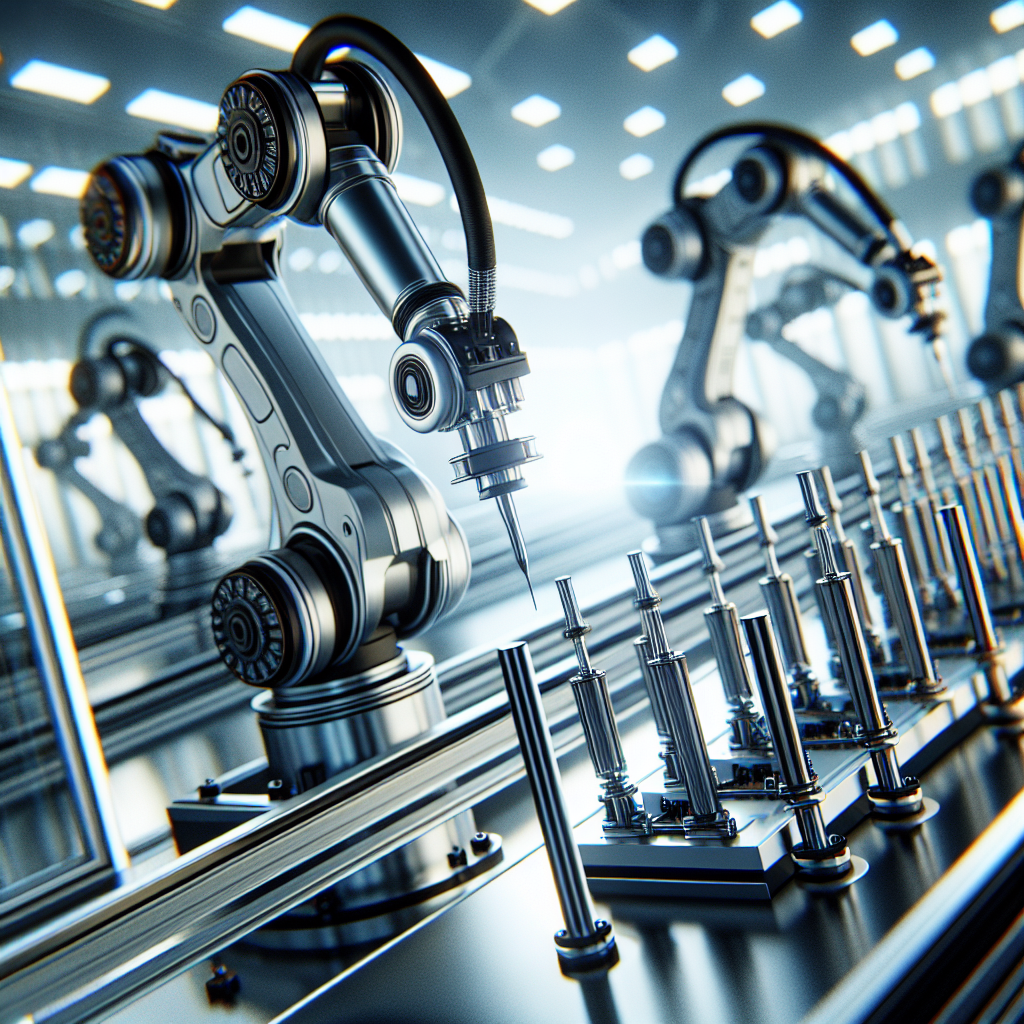
Industrial automation has become one of the most vital driving forces behind the extraordinary advances we’ve seen in manufacturing, logistics, and countless other sectors over the last decade. The onset of sophisticated robotics, combined with intelligent control systems, has radically transformed not only how factories operate, but also how products make their journey from raw materials to finished goods. Among the many innovations facilitating this revolution are air cylinder gripper tools—highly precise, versatile, and robust devices essential in automating many core processes. Two such groundbreaking devices, the HFR10 and HFR16 Air Cylinder Gripper Tools, are now setting new standards in efficiency and adaptability, further accelerating the arrival of the smart factory era.
In this extended article, we will take a deep dive into the world of these advanced gripper tools, explaining what makes them unique, their core mechanics, and how they are finding use cases in everything from delicate electronics assembly to large-scale automotive manufacturing. We’ll also explore what considerations are necessary when integrating such powerful tools into your processes, and why staying abreast of advancements in gripper technology could be the competitive edge your business needs.
Table of Contents
- What are HFR10 and HFR16?
- Importance of Air Cylinder Grippers
- Applications in Industrial Automation
- Best Practices for Deployment
- How to Choose the Right Gripper
- Managing Maintenance and Sustainability
- The Future of Automation
- Summary
- FAQs
- Sources
What are HFR10 and HFR16?
The HFR10 and HFR16 are innovative air cylinder gripper tools designed specifically for precision and adaptability. These devices utilize pneumatic (air-driven) technology to deliver reliable gripping and release actions—invaluable for picking, placing, or manipulating a wide spectrum of objects on automated production lines. While both models share overarching design principles, they differ in terms of strength, speed, and specific application suitability:
- HFR10: Engineered for lighter, smaller items, the HFR10 excels at tasks requiring nimbleness and delicacy—such as electronics assembly, pharmaceutical packaging, and intricate parts sorting.
- HFR16: Built for robustness, HFR16 is perfect for heavier or bulkier items often found in automotive, white goods, or heavy component manufacturing. Its increased gripping force and load-bearing capacity allow it to move larger objects with ease and precision.
Both models are compatible with a wide variety of robotic arms and motion control platforms, enabling a seamless fit into most advanced factories and production environments.
Importance of Air Cylinder Grippers
Why are air cylinder grippers so important? Let’s break down their significance in modern industry:
- Efficiency and Productivity: One of the major advantages of air cylinder grippers is their speed. They can grip, transport, and release objects far faster than any human operator, greatly reducing cycle times on production lines and increasing overall output. This speed enables manufacturers to meet the growing demands of just-in-time production and mass customization.
- Consistency and Quality: Human manual labor, despite skill or training, is always vulnerable to fatigue and error. Gripper tools, on the other hand, perform with unerring reliability, ensuring each part is handled exactly the same way on every cycle. This consistency elevates product quality and reduces the risk of costly defects.
- Safety: Automation using gripper tools can mitigate many of the risks associated with repetitive stress injuries, heavy lifting, or hazardous environments. By assigning mundane or dangerous tasks to machines, employers can create a safer workplace and reallocate skilled workers to higher-value tasks.
- Flexibility: Today’s market demands quick shifts in production schedules and product variants. The programmability and adaptability of gripper tools like the HFR10 and HFR16 mean that reconfiguring your automation line for a new product or batch is faster and easier than ever before.
Given these advantages, it’s no surprise that sectors as diverse as food processing, electronics, medical device manufacturing, and warehousing are all racing to integrate pneumatic gripper technology. According to Automation.com, companies deploying these tools often see double-digit improvements in line efficiency and dramatic reductions in workplace injuries and defects.
Applications in Industrial Automation
The versatility of the HFR10 and HFR16 is truly remarkable, unlocking applications across:
- Electronics Assembly: Smartphones, circuit boards, and other electronics require careful handling of tiny components. HFR10’s precision is perfect for these high-speed, delicate processes.
- Automotive Manufacturing: From engine blocks to interior trim panels, the HFR16 can lift, orient, and move hefty or complex parts without sacrificing accuracy—key for modern assembly lines operating with minimal downtime.
- Packaging and Palletizing: Both grippers are ideal for swiftly transferring products from one station to another, inspecting for quality, or stacking items onto pallets for distribution—critical steps in consumer goods production.
- Medical Device Production: The medical sector demands sterility, exactitude, and pace—qualities inherently supported by the gentle yet firm grip and programmability of air cylinder grippers.
- Material Sorting and Quality Assurance: Vision-guided robots equipped with these grippers can inspect items on the fly, removing defective products from fast-moving conveyors with split-second timing.
For example, TechCrunch has highlighted case studies where automated systems equipped with air grippers increased throughput on pharmaceutical lines by up to 40%, while simultaneously reducing mix-ups and human handling errors.
It’s not only the big players benefitting from this technology: small- and medium-sized enterprises (SMEs) are increasingly adopting modular automation packages, where plug-and-play gripper tools like the HFR series offer a cost-effective path to competitiveness with much larger rivals.
Best Practices for Deployment
To maximize the benefits of an air cylinder gripper system, companies need to pay careful attention to both technical specifications and process integration:
- Load Analysis: Always match the capacity of your gripper to your specific application—pick a tool that handles your object weights, shapes, and fragility.
- Motion Control Synchronization: Integrate grippers with your robotics or conveyor controllers, ensuring painless communication and seamless workflow timing.
- Sensory Feedback: Modern grippers can be paired with torque, position, or force sensors, allowing for real-time adaptive handling. This adaptability is particularly valuable for irregular or delicate items.
- Quick-Change Mounting: Use quick-change coupling systems to minimize downtime when swapping out tools for different product lines or batches.
Cutting-edge automation systems aren’t limited to just adding individual tools—they consider the entire workflow and aim for maximum synergy between human and machine, as well as between different types of robots and grippers. Consult system integrators or look to industry resources when designing your line to ensure you’re ahead of the curve.
How to Choose the Right Gripper
Selecting the optimal air cylinder gripper demands a clear understanding of your unique operational requirements. Here are the key points to consider:
- Type and Weight of Items: Assess the mass and geometry of the products needing manipulation. A gripper oversized for your application adds unnecessary expense, while an undersized device may cause poor performance or rapid wear.
- Required Speed and Accuracy: If your process values speed as much as precision, balance these metrics carefully when reviewing technical datasheets.
- Cycle Rate and Duty Cycle: Recognize the frequency and intensity of use. Continuous or high-speed lines may need reinforced or cooled gripper models.
- Environmental Conditions: Consider exposure to moisture, dust, chemicals, or temperature extremes—many grippers can be customized for hostile environments.
- Integration Compatibility: Confirm that the gripper is plug-and-play with your existing robots, automation software, and compressed air infrastructure. Seek guidance from system integrators for tricky set-ups.
Remember, successful implementation isn’t about chasing the highest spec: it is about balancing your demands with reliability, maintainability, and total cost of ownership.
Managing Maintenance and Sustainability
While pneumatic grippers are robust, their performance and lifespan are closely tied to smart maintenance and sustainability practices. To ensure optimal results:
- Routine Inspections: Periodically check seals, moving components, and air lines for leaks or abnormal wear—minor repairs now prevent expensive downtime later.
- Lubrication: Follow the manufacturer’s schedule for lubrication of mechanical elements, adapting for environments with more dust or particulates.
- Air Quality Management: Install filters and dryers in your compressed air system to prevent contaminants from damaging sensitive gripper elements.
- Spare Parts Readiness: Keep critical spares on hand, especially for seals and soft components unique to your specific gripper model.
- Energy Optimization: Monitor air consumption and upgrade to energy-efficient systems, which further reduces your facility’s carbon footprint.
Indeed, as sustainability takes center stage in manufacturing, pneumatic systems that use less air and are built for long-term durability (as the HFR10 and HFR16 are) offer vital environmental and cost savings.
The Future of Automation
With the ongoing proliferation of smart factories and digital twins, the relevance of advanced gripper tools will only continue to climb. Integration with artificial intelligence (AI) and machine learning will enable even finer manipulation, predictive maintenance, and autonomous adaptation to new processes.
Emerging research from industry leaders such as those cited on BBC suggests future grippers will have inbuilt sensors, wireless data interfaces, and the intelligence to self-adjust in real time, enhancing safety, efficiency, and versatility even further. These advances could even facilitate human-robot collaboration, where “cobots” equipped with grippers like the HFR10 or HFR16 work seamlessly alongside people—blending the strengths of both human dexterity and robotic endurance.
Summary
In summary, the HFR10 and HFR16 Air Cylinder Gripper Tools are ushering in a new era of industrial automation. Their combination of speed, precision, robustness, and adaptability makes them foundational building blocks for the smart factories of today and tomorrow. Regardless of your industry or application, understanding these tools’ features, integration requirements, and maintenance best practices is imperative for maximizing efficiency, safety, and competitive advantage.
By adopting advanced gripper technology and aligning with best practices for automation deployment, businesses large and small can position themselves at the cutting edge of the manufacturing revolution—a revolution defined by resilience, flexibility, and unprecedented opportunity.
FAQs
- What is the primary function of air cylinder grippers?
Air cylinder grippers are designed to grasp, manipulate, and release objects automatically, streamlining repetitive or hazardous tasks in automated production environments. - How do I know which gripper to choose?
Analyze your item types, required gripping force, speed, environmental conditions, and system compatibility. Consult datasheets and technical support for guidance. - Are there maintenance requirements for these tools?
Yes, routine inspections, lubrication, and air quality checks are crucial for long-term reliability and efficiency. - Can I retrofit grippers to existing automation systems?
Many air cylinder grippers, including HFR10 and HFR16, are designed for modular retrofitting. Always confirm mechanical and software compatibility before purchase. - What trends are shaping the future of gripper technology?
Integration with AI, real-time sensory feedback, energy efficiency improvements, and cobot adaptability are all shaping the next frontier in gripper tools.