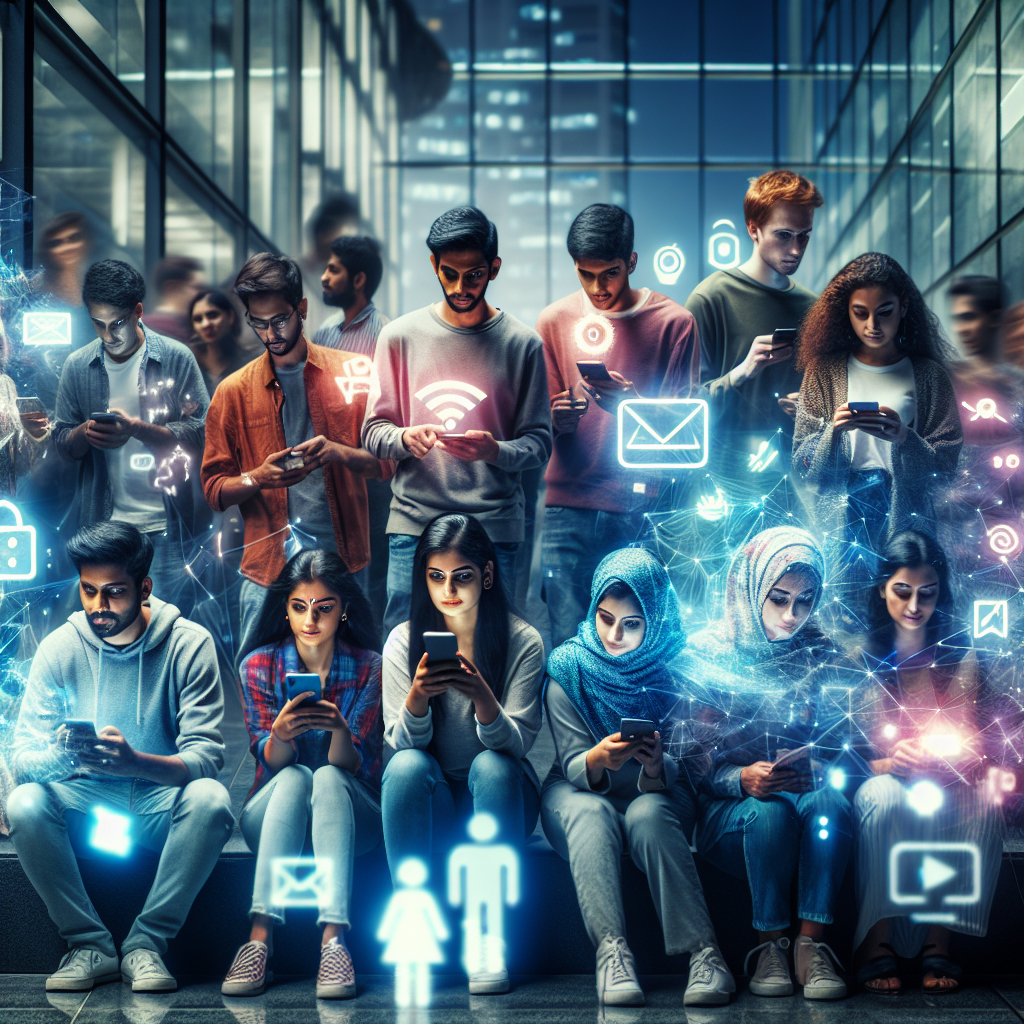
In a world where digital content is king, Prasar Bharati’s recent adoption of a digital-first content strategy marks a significant shift in how they engage with the youth. By leveraging Over-The-Top (OTT) platforms and pay-per-view frameworks, India’s public broadcaster isn’t just keeping up with trends—it’s aiming to lead them. In this article, we’ll explore the implications of this strategy, its nuanced importance, and why Prasar Bharati’s move could become a model for similar organizations at the intersection of tradition and transformation.
Table of Contents
- What is a Digital-First Strategy?
- Importance of Youth Engagement
- Why Prasar Bharati Needs to Adapt
- How Prasar Bharati is Implementing This Strategy
- Going Beyond Content Delivery: The Digital Mindset
- Actionable Steps for Others
- Summary
- FAQs
- Sources
What Is a Digital-First Strategy?
A digital-first strategy is much more than just moving content online or having a presence on social media. It represents a fundamental shift in organizational philosophy, where digital platforms become the primary medium for communication, engagement, and service delivery. In practice, this means that every piece of content is designed first and foremost for online audiences, with traditional media offerings adapted to complement digital priorities, not the other way around.
This approach is essential in today’s fast-shifting media landscape. With people—especially the youth—now consuming more content through smartphones, tablets, and laptops than television, radio, or print, organizations must meet their audiences where they already are. A digital-first strategy involves more than just repurposing existing broadcast shows for YouTube; it requires creating new, interactive, shareable, and data-informed experiences that are native to digital platforms. Stories need to be told in a way that suits the short attention spans accustomed to swiping and scrolling, while retaining the authenticity and trust that the brand has built over the years.
Importance of Youth Engagement
Engaging youth is no longer a strategic advantage; it is a fundamental necessity for relevance, longevity, and impact. The youth not only represent a significant portion of the consumer base but also act as cultural trendsetters and influencers. By reaching young people now and winning their loyalty, organizations can build communities, fuel organic growth, and secure their future in an evolving media ecosystem.
Youth engagement matters for several reasons:
- Demographic Power: India’s median age is under 30. The youth demographic is not just the future; it is the present. Failing to engage this group is essentially conceding irrelevance in a few short years.
- Viral Influence: Social sharing and virality are driven by young users. If young people are not interested in your content, your brand’s message is unlikely to gain traction or go viral.
- Loyalty and Community: Youthful audiences that are engaged early often form emotional bonds with brands or institutions, leading to long-term loyalty and advocacy.
- Innovation and Feedback: Young audiences are unafraid to provide feedback and demand innovation. This can help traditional organizations evolve, stay nimble, and remain in touch with new trends and cultural movements.
As highlighted by Marketing Land, brands that connect with younger audiences don’t just buy loyalty—they invest in their own long-term cultural relevance and adaptability.
Why Prasar Bharati Needs to Adapt
Prasar Bharati, as India’s largest public service broadcaster, has a storied history of serving the nation through Doordarshan television and All India Radio. However, in an increasingly digital India, the competition for attention is intense, with global streaming giants, YouTube creators, and niche digital news outlets all vying for viewers. The expectations of the audience—especially the youth—have transformed rapidly:
- People want content on-demand, not dictated by TV schedules.
- They prefer bite-sized, highly shareable, and interactive formats—memes, short videos, polls, and live streams.
- There’s a demand for personalization; viewers want algorithms to recommend content relevant to their tastes, language, and cultural nuances.
- Youth expect two-way communication, not just passive consumption. They want to be part of the story, contribute, and shape the narrative.
If Prasar Bharati were to stick solely to its legacy platforms and formats, it would risk being sidelined in a media landscape dominated by quick content and global entertainment brands. By embracing a digital-first approach, Prasar Bharati demonstrates its willingness to compete for the attention, time, and trust of young Indians on their terms.
How Prasar Bharati Is Implementing This Strategy
Prasar Bharati’s digital-first transformation is multi-faceted, involving new platforms, content formats, and audience engagement strategies designed for digital natives. Here are some of the core elements:
- Leaning into OTT Platforms: Prasar Bharati is embracing Over-The-Top content delivery, much like Netflix or Amazon Prime. Content is now available anytime, anywhere, through their dedicated digital platforms and apps, making Doordarshan’s news, entertainment, and educational content easily accessible and shareable.
- Pay-Per-View Flexibility: Gone are the days when viewers had to buy monthly cable packs. Prasar Bharati now provides a pay-per-view model for live sports and other premium content. This granular control matches the consumption patterns of young audiences who prefer paying only for what they actually watch.
- Tailoring Content by Platform: One-size-fits-all content is passé. Prasar Bharati repackages traditional content into bite-sized news clips for Twitter, Instagram reels, and YouTube shorts, maximizing reach and relevance.
- Localization and Regional Focus: With digital, it’s easier than ever to target regional audiences with vernacular language content, which is key in a country as diverse as India.
- Interactivity and Community Building: Live streaming interactive Q&As, polls around current events, crowdsourced stories, and user-driven feedback channels bring two-way communication front and center.
- Data-Driven Experimentation: Utilizing digital engagement analytics and feedback loops, Prasar Bharati tests content formats, timing, and delivery for real-time optimization—mirroring successful digital-first strategies seen globally and highlighted by Social Media Examiner.
This approach doesn’t simply digitize traditional broadcasting—it reinvents it for an era where personalized, interactive, and convenient viewing is paramount. More broadly, it signals to India’s youth that their media habits matter and that public service content will meet them where they already are, both culturally and technologically.
Going Beyond Content Delivery: The Digital Mindset
While adopting new platforms and content formats is vital, a true digital-first strategy goes beyond delivery channels. It is a transformation in mindset and organizational culture. Here’s how Prasar Bharati—and anyone aiming to modernize—must think:
- User Experience Above All: Every touchpoint, from website navigation to app usability and social sharing, must be designed for the user, not the broadcaster.
- Continuous Engagement: Instead of just episodic TV shows, digital-first broadcasters build ongoing relationships—using push notifications, newsletters, live events, and social groups that foster daily and weekly touchpoints.
- Data-Informed Creativity: Content creation is now guided not just by intuition, but by real-time data on what works—be it trending topics, meme formats, or engagement in specific languages.
- Collaborative Storytelling: Co-creation with audiences—such as user-submitted stories, citizen journalism, or inviting YouTube and Instagram influencers to contribute—blurs the line between media creator and media consumer, which is essential for youth engagement.
- Agility and Experimentation: Digital-first teams embrace rapid prototyping, A/B testing, and are willing to pivot content or platforms when engagement shifts.
This mindset shift empowers legacy organizations to engage youth at scale and speed, learning from what works—and what doesn’t—in the complex, competitive digital media environment.
Actionable Steps for Organizations Considering a Digital-First Approach
If you’re exploring or planning a digital-first transition for your organization, here are some actionable steps you can implement:
- Assess Your Audience Deeply: Use surveys, listening tools, and media consumption data to understand where, how, and why your audience (especially young users) consume content. Which formats work? What topics do they care about? Which social platforms dominate their habits?
- Audit Your Current Content: Identify which current assets can be digitized, repackaged, or retired, and spot areas where new content is needed to fill digital gaps.
- Create Compelling Digital-First Content: Invest in training or hiring creators who are digital natives themselves. Focus on formats that are trending—short videos, explainers, infographics, memes, podcasts.
- Leverage Data Analytics: Equip your teams with real-time analytics tools to monitor, measure, and iterate. Analytics is not just for upper management; content creators must use data to refine storytelling as well.
- Explore OTT and Direct Platforms: Evaluate if delivering content via your own app or website (in addition to partnering with established OTT services) makes sense for enhanced control and branded experiences.
- Encourage Participation: Make content interactive. Enable audiences to comment, vote, or suggest topics. Build online forums or host regular AMAs (Ask Me Anything) sessions.
- Stay Agile and Open to Change: Digital trends shift rapidly. Be willing to experiment, learn, and evolve your strategy as quickly as your audience does.
- Invest in Distribution: Content is only as good as its reach. Collaborate with social media influencers, syndicate content, and make discoverability a central goal.
By following these steps, organizations can not only compete in the digital space but also establish themselves as leaders in engaging the most influential demographic—young people.
Summary
Prasar Bharati’s shift to a digital-first strategy is more than a technological upgrade—it’s a bold, thoughtful move to remain relevant and authoritative in the content-rich, smartphone-driven world of modern India. By focusing on youth engagement through OTT platforms, pay-per-view flexibility, and interactive, data-driven approaches, Prasar Bharati is setting a standard that both government and private broadcasters can follow. This ongoing transformation sends a powerful message: cultural heritage and public value can thrive in a world dominated by digital choice, provided organizations innovate with the audience—not just technology—in mind.
FAQs
- What is a digital-first strategy? A digital-first strategy means designing and delivering content primarily through digital channels (like apps, websites, and social media), prioritizing online engagement, and optimizing content for today’s digital-native audiences.
- Why is youth engagement important? Engaging youth is central for any organization looking to survive and thrive. It ensures long-term loyalty, cultural relevance, and provides a source of innovation and feedback for continuous improvement.
- How are OTT platforms different from traditional TV? OTT platforms allow users to stream content on-demand over the internet, eliminating the need for cable or set TV schedules. Viewers can watch what they want, when they want, and on any device of their choosing.
- How can organizations implement a digital-first strategy? By understanding their audience, creating engaging and platform-specific content, leveraging analytics, investing in digital delivery, building two-way engagement, and remaining flexible as trends and technology evolve.
- What can other broadcasters learn from Prasar Bharati? That a willingness to innovate, focus on the youth, and invest in digital-first approaches can unlock new relevance and impact—even for legacy institutions.