The industrial automation market is projected to reach USD 602.51 billion by 2035, growing at a CAGR of 8.96%. This rapid growth reflects significant advancements in technology and the increasing need for efficiency in manufacturing processes. In this article, I’ll delve into the key factors driving this market, the technologies involved, and what businesses can do to stay ahead.
Table of Contents
- Market Overview
- Key Drivers of Growth
- Technologies Shaping the Future
- Challenges Facing the Industry
- Actionable Steps for Businesses
- Summary
- FAQs
- Sources
Market Overview
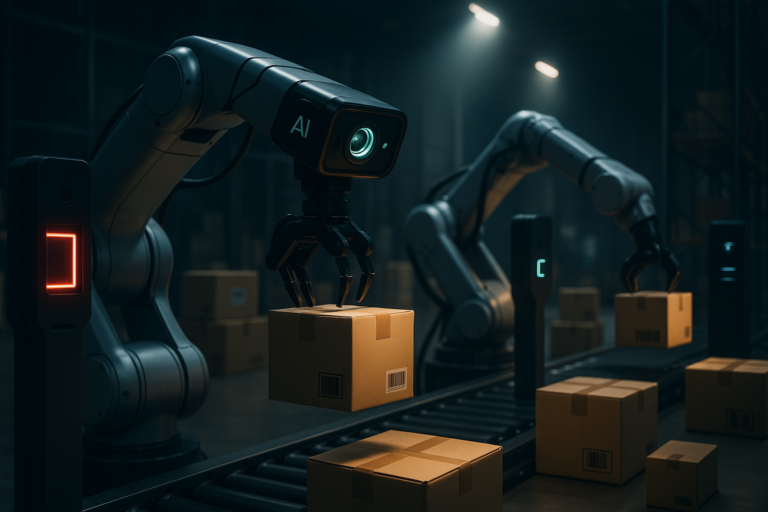
The industrial automation market encompasses a vast array of technologies, methods, and services, all designed to streamline and automate manufacturing and production processes. From the assembly line robots of the automotive industry to smart sensors in food processing, automation is reshaping how factories and plants operate around the globe. At its core, it involves robotics, programmable logic controllers (PLCs), control systems, and sophisticated software solutions. These technologies collectively serve a single purpose: to enhance productivity, reduce error, and create a safer, more efficient workplace.
Automation has evolved rapidly over the past several decades. What began as simple relay logic circuits is now a landscape of interconnected, intelligent, and sometimes even autonomous systems. The market isn’t restricted to manufacturing alone; logistics, pharmaceuticals, mining, energy, and even agriculture have seen a surge in automation adoption. The key driver? The increasingly competitive global economy, which compels organizations to seek every ounce of efficiency, reliability, and safety possible.
The figures speak volumes. According to multiple market research studies, the growth trajectory remains strong, underpinned by continuing R&D, declining hardware costs, and the pressure to get more done with fewer resources. As sustainability and competitiveness become paramount, more companies are looking at automation not just as an option, but as a necessity for survival and growth.
Key Drivers of Growth
The growth in the industrial automation market isn’t happening in isolation—it’s the result of several converging trends and challenges faced by global industry:
1. Need for Cost Reduction and Efficiency Gains
Operational costs represent a major chunk of expenditures for most manufacturers. Labor, raw materials, maintenance, and energy—all these costs can be improved with automation. According to Automation.com, organizations that implement effective automation strategies often see a dramatic reduction in operational expenses and a corresponding boost in productivity. Automated robotics, for example, can operate 24/7 without fatigue, enabling continuous production and reducing lead times.
2. Increasing Complexity in Manufacturing
Product customization, shorter product life cycles, and demands for higher quality have made manufacturing far more complex than it was a generation ago. Manual processes struggle to keep up with the demands for high precision, repeatability, and fast changeovers. Advanced automation provides the flexibility and intelligence required to manage these ever-changing requirements efficiently.
3. The Global Push Toward Sustainability
Consumers and governments alike are demanding more sustainable manufacturing processes. Automation can help by enabling better resource management, reducing waste, and lowering energy consumption. Automated monitoring systems can detect inefficiencies in real time—allowing for quick intervention and continuous improvement in sustainability initiatives.
4. Regulatory and Safety Requirements
Stringent safety standards drive companies to invest in automation. Robots and automated safety systems can manage hazardous processes, thus reducing workplace accidents and ensuring compliance with health and safety standards. Empowering workers to focus on supervisory and maintenance tasks while robots handle dangerous or repetitive jobs further improves the work environment.
5. Workforce Challenges
The manufacturing sector, especially in developed economies, is facing a growing skills gap as older workers retire and fewer young people enter the trades. Automation addresses this issue by supplementing human labor, and in many cases, taking over physically demanding or tedious jobs altogether. Companies able to blend a skilled workforce with state-of-the-art automation stand to gain the most both in productivity and employee satisfaction.
Technologies Shaping the Future
Modern industrial automation owes its power and flexibility to the convergence of several revolutionary technologies. Here’s a closer look at the tools driving change:
1. Robotics and Cobots
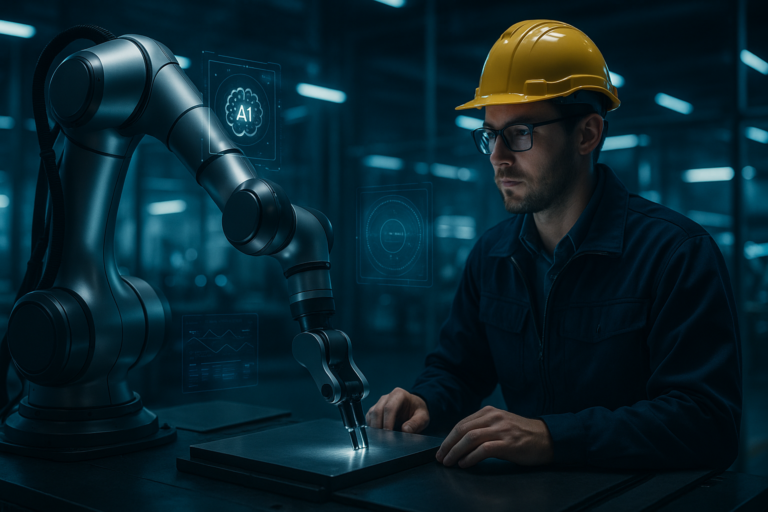
Robotic arms have long been a fixture on the assembly line. What’s changing now is the rapid rise of collaborative robots, or “cobots,” which are designed to work safely alongside humans, assisting with lifting, placing, and assembling complex components. Cobots bring automation within reach for smaller firms by being cheaper, easier to program, and safer than ever.
2. Artificial Intelligence (AI) and Machine Learning
AI is making industrial automation smarter. By collecting and analyzing enormous streams of data, AI algorithms can optimize processes, forecast maintenance needs, and even learn from mistakes. TechCrunch highlights the impact of predictive maintenance, where AI-driven systems use sensor data to anticipate equipment failures, minimizing costly downtime and ensuring smoother production flows. This level of intelligence creates self-optimizing factories that learn and improve autonomously.
3. Internet of Things (IoT)
The IoT connects machines, sensors, and analytics software into vast networks capable of real-time monitoring and control. By linking every stage of production—from inventory management through to final inspection—companies gain unprecedented visibility into their operations. IoT-driven automation means operators can make more informed decisions and intervene before minor problems become major failures.
4. Advanced Control Systems and Digital Twins
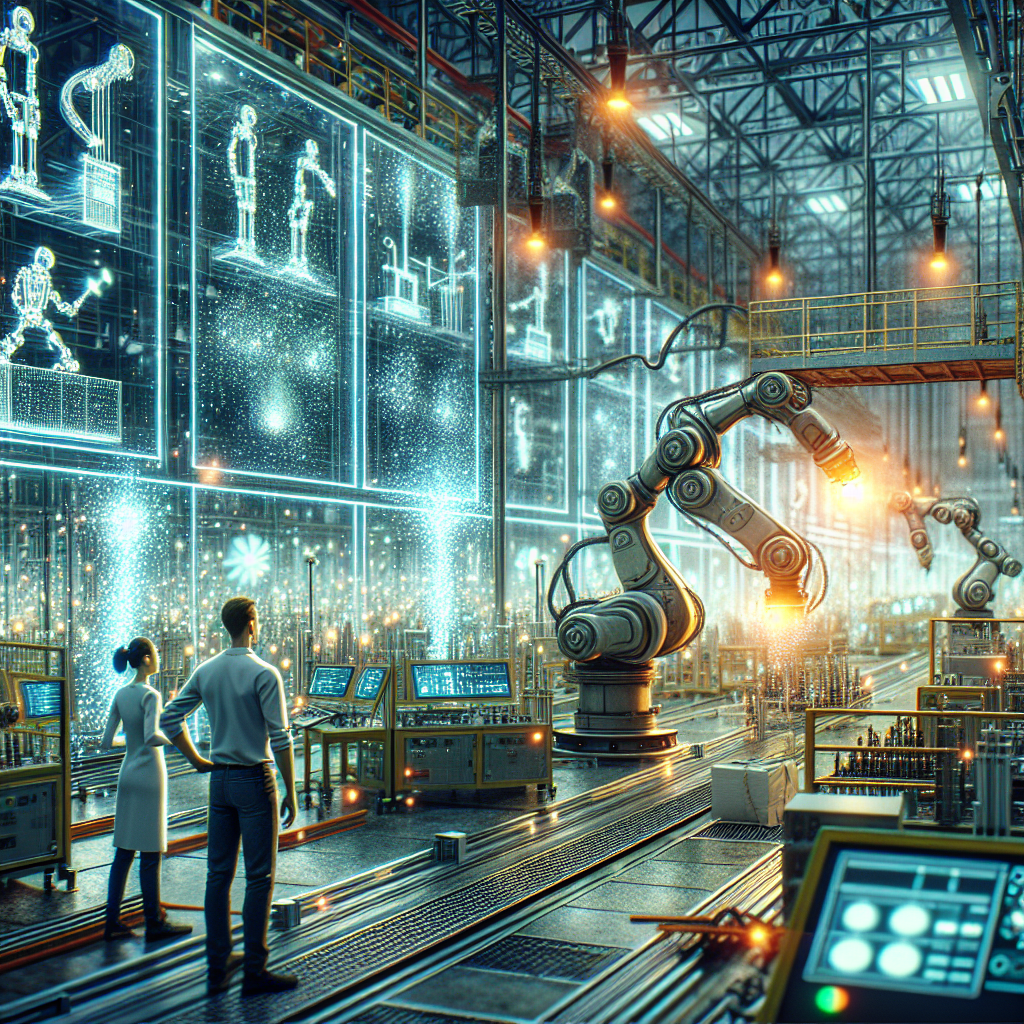
Programmable logic controllers (PLCs), distributed control systems (DCS), and supervisory control and data acquisition (SCADA) platforms are the central nervous system of the digital factory. Increasingly, these systems integrate digital twin technology, where virtual models of machines or entire plants allow engineers to simulate and optimize processes before making real-world changes. This shortens development cycles and reduces costs.
5. Cloud Computing and Edge Processing
The migration of automation systems to cloud platforms allows for the aggregation and advanced analysis of factory data from anywhere in the world. At the same time, edge devices enable real-time processing directly on the shop floor, reducing latency and ensuring faster response to changing machine or market conditions.
6. 5G Connectivity
The rollout of 5G networks is revolutionizing industrial automation. Faster wireless speeds and ultra-low latency connections make it possible to connect more machines and transmit large quantities of data in real time. This is opening up new possibilities for mobile robots, augmented reality for maintenance, remote equipment monitoring, and decentralized factory layouts.
Challenges Facing the Industry
Despite the enormous potential, a number of practical hurdles remain on the path to widespread industrial automation:
1. Skills Gap and Workforce Transition
One of the industry’s most critical challenges is the shortage of workers with the necessary skills to design, install, operate, and maintain advanced automation systems. Upskilling existing employees and attracting new talent with a blend of technical, analytical, and IT skills has now become a vital part of corporate strategy.
2. High Upfront Costs
For many firms, especially small and medium-sized enterprises (SMEs), the initial investment in robotics and automation infrastructure can seem overwhelming. Although costs have fallen in recent years, these technologies still require capital and a shift in mindset—from viewing automation as an expense to seeing it as a long-term investment in competitiveness.
3. Cybersecurity Threats
As factories become more connected, the risks from cyberattacks grow. A breach in an industrial system could halt production, damage machinery, or result in the loss of sensitive intellectual property. Building robust cybersecurity strategies—including employee training, network monitoring, firmware updates, and regular security audits—must be a top priority for any company moving towards greater automation.
4. System Integration and Interoperability
Integrating new automation tools with legacy machinery and software can be complex. Achieving seamless interoperability between equipment from different vendors often requires custom engineering and ongoing cooperation, which may slow down deployment and increase costs. Open standards and modular system designs are gradually helping to mitigate this challenge.
5. Cultural and Organizational Barriers
Introducing automation may raise concerns among workers about job displacement, leading to resistance or a lack of buy-in. Leaders must manage this transition sensitively by involving employees, communicating the vision clearly, and highlighting new opportunities for growth, safety, and career development brought about by automation.
Actionable Steps for Businesses
For companies looking to thrive in this rapidly evolving environment, a proactive approach is required. Here are several actionable steps businesses can take:
- Invest in Training and Continuous Learning: Regularly update and upskill your workforce to ensure that employees can operate, maintain, and optimize advanced automation technologies. Programs in STEM education, technical colleges, and industry certifications can build the necessary talent pipeline.
- Start Small, Scale Fast: New to industrial automation? Begin with discrete pilot projects that address glaring bottlenecks or quality concerns. Monitor the outcomes closely, learn from both successes and setbacks, and apply those lessons to future rollouts.
- Prioritize Cybersecurity: Protect your operations and data by investing in robust cybersecurity. This could include next-generation firewalls, segmentation of IT and OT networks, employee cybersecurity awareness training, and regular security audits.
- Engage with Industry Communities and Standards: Stay informed about emerging trends and standards. Participate in relevant trade organizations, forums, and conferences, and read reliable industry news from sources like Wired and BBC. Collaboration can help companies anticipate changes and benchmark against the best in the business.
- Develop a Long-Term Automation Roadmap: Don’t treat automation as a set-and-forget proposition. Create a strategic vision and roadmap, revisiting it regularly to account for new technologies, competitive pressures, and market trends.
- Communicate and Involve Employees: Address concerns about job security transparently. Show how automation can free employees to focus on higher-value work, reduce on-the-job injuries, and open new roles in programming, maintenance, data analysis, and process improvement.
- Form Strategic Technology Partnerships: Work with technology vendors, system integrators, and automation consultants to tailor solutions to your unique needs. Don’t be afraid to pilot new technologies or contribute to collaborative R&D projects.
Summary
The industrial automation market is on a robust, upward trajectory, driven by technological advancements, the need for cost reductions, complex regulatory and quality demands, and the ongoing quest for efficiency and sustainability. As digital transformation accelerates, businesses that invest in automation, workforce development, and cybersecurity are poised to succeed. The potential impact goes beyond the balance sheet: safer working environments, more sustainable production, and new possibilities for innovation.
No matter what industry you’re in, automation is not just reshaping factories and warehouses—it’s redefining the entire landscape of work, commerce, and industry. Adaptability, vision, and strategic investment are the keys to thriving in this new era.
FAQs
- What is industrial automation? Industrial automation refers to the use of control systems such as computers, robotics, and information technology to handle different processes and machinery in an industry. These systems operate equipment and processes in manufacturing, processing, packaging, logistics, and more, often with minimal human intervention.
- What are the benefits of industrial automation? The key benefits include increased productivity, improved and more consistent product quality, reduced operational and labor costs, enhanced workplace safety, and the ability to quickly adapt to changing market demands.
- What kinds of technologies are involved in industrial automation? Industrial automation relies on a range of technologies including robotics (including collaborative robots or cobots), artificial intelligence and machine learning, the Internet of Things (IoT), advanced control systems (PLCs, DCS, SCADA), digital twins, and cloud computing.
- How can small businesses afford automation? Small and medium enterprises (SMEs) can begin by identifying one or two areas where automation could have a clear and positive impact. By starting small—using affordable entry-level cobots or software systems—they can measure real benefits and build a case for further investment as returns become evident.
- How does automation improve sustainability? Automation enables companies to use energy, materials, and resources more efficiently. Intelligent systems can monitor waste, optimize energy use, and identify opportunities for recycling or reduction of harmful byproducts, supporting corporate sustainability goals.
- What are digital twins and how are they used in automation? A digital twin is a virtual model of a process, product, or entire facility that allows engineers to simulate, test, and optimize scenarios in a risk-free digital environment before applying changes to the physical system. This helps reduce downtime, speed up product development, and support continuous improvement efforts.
- Is automation going to replace human workers? While automation can replace certain repetitive or hazardous tasks, it also opens up new opportunities for human workers in roles that require problem-solving, maintenance, supervision, and creativity. The future will likely see more collaboration between humans and intelligent machines, rather than outright replacement.