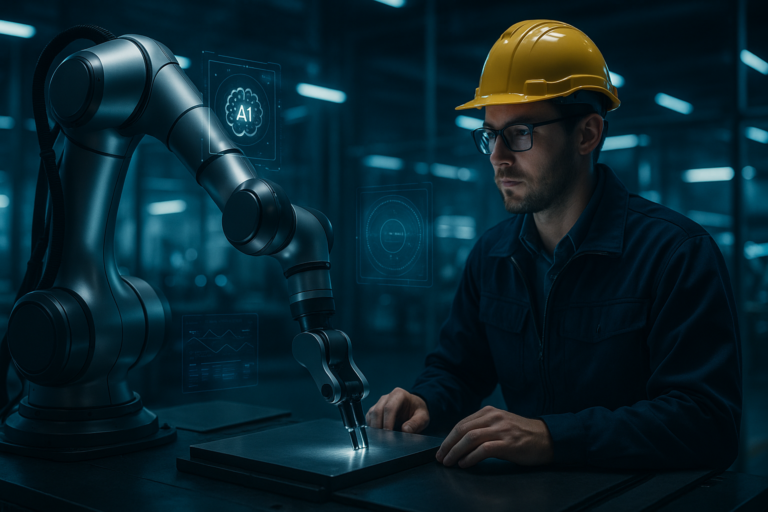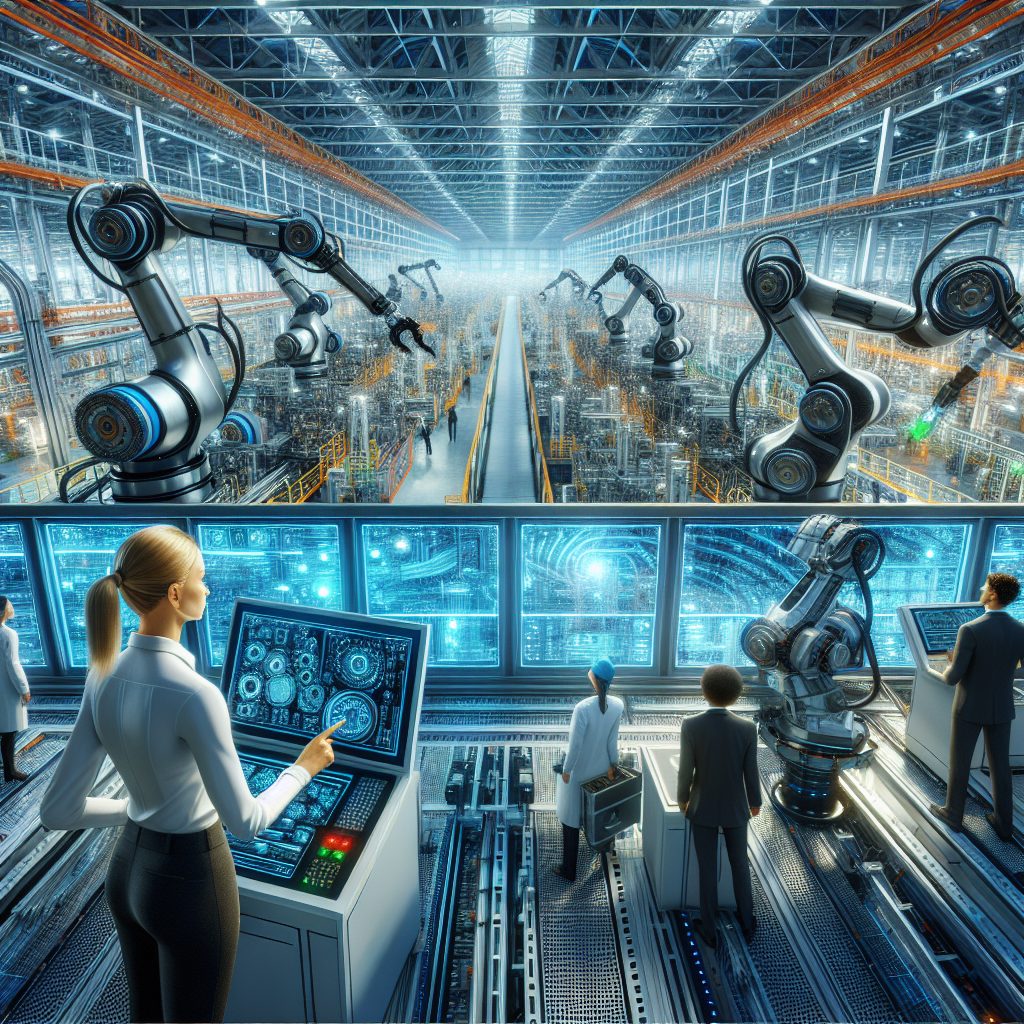
As I dive into the exciting world of industrial automation, I can’t help but notice how the US industrial automation market is booming. This growth is not just a trend; it represents a transformative shift in how industries operate, leveraging innovative technology to improve efficiency and productivity. In the following article, I’ll break down the key aspects of this market, its importance, and what it means for businesses and consumers alike.
Table of Contents
- What is Industrial Automation?
- Factors Driving Market Growth
- Benefits of Industrial Automation
- Key Players in the Market
- Challenges and Barriers
- Applications Across Industries
- Impact on the Workforce
- Investment and Policy Support
- Future Trends in Industrial Automation
- Summary
- FAQs
- Sources
What is Industrial Automation?
Industrial automation refers to the use of control systems, such as computers, information technologies, or industrial robots, to handle different processes and machinery in an industry—minimizing or eliminating the need for direct human intervention. The applications range from manufacturing processes and control of machinery in factories, to complex supervision and regulation in power plants, and daily management tasks in logistics and warehousing. Automation is not a brand-new idea, but the technologies underpinning it have become more capable, intuitive, and affordable than ever before.
The core premise is simple yet revolutionary: by delegating repetitive, dangerous, or high-precision tasks to machines, organizations can dramatically improve workflow reliability, enhance quality, and reduce error rates. Automation covers everything from physical hardware (like conveyor belts, robotic arms, or intelligent sensors) to software (like industrial control systems, data analytics platforms, and programmable logic controllers).
Factors Driving Market Growth
Several powerful forces are converging to spur the remarkable growth of the US industrial automation market.
- Labor Shortages and Skills Gaps: As the US manufacturing workforce ages and fewer young people train in traditional trades, companies face increasing difficulties filling critical, hands-on roles. Automation emerges as a viable solution for addressing these workforce gaps.
- Global Competition and Cost Pressures: Global supply chains and the rise of manufacturing powerhouses abroad have raised the bar for US manufacturers. To remain competitive and keep up with international standards, companies must produce more with less, leading directly to increased automation investments.
- Technological Advancements: Progress in artificial intelligence (AI), machine learning, computer vision, cloud computing, and the Internet of Things (IoT) has made highly adaptable, data-driven automation possible for both large corporations and smaller enterprises.
- Customization and Flexibility: Today’s marketplace demands faster turnaround and greater customization at lower costs. Flexible automation systems allow manufacturers to quickly shift production lines and respond immediately to customer needs, reducing inventory costs and waste.
- Regulatory and Safety Requirements: Regulations for worker safety, traceability, and environmental impact continue to tighten, nudging companies toward automation tools that improve compliance and reporting accuracy.
- COVID-19 Pandemic Impact: The pandemic exposed vulnerabilities in traditional manufacturing and supply chains. Automation emerged as an essential tool for business continuity—enabling social distancing, remote operation, and resiliency during disruptions.
According to Automation.com, these factors are accelerating US automation adoption rates well beyond previous projections, as businesses race to future-proof their operations.
Benefits of Industrial Automation
The advantages of implementing industrial automation are multifaceted.
Increased Productivity and Efficiency
Perhaps the most obvious benefit is the ability for machines to operate 24/7 without fatigue, dramatically increasing output rates. Repeatability ensures that products meet the same high-quality standards consistently, which would be virtually impossible to achieve with a purely manual workforce.
Lower Operational Costs
Though automation can require initial capital investment, it offers substantial long-term savings. Labor costs are reduced, waste decreases, and break/failure rates fall. Automated predictive maintenance systems can monitor wear and tear, scheduling repairs before costly downtime occurs.
Enhanced Safety and Risk Reduction
Work environments involving hazardous materials or heavy machinery have traditionally put workers at risk. Automation handles the most dangerous or physically demanding tasks, keeping human employees out of harm’s way and reducing workplace accidents.
Data-driven Insights and Quality Control
Automation systems increasingly feature sophisticated sensors and analytics tools. These provide actionable data about every aspect of the production process, allowing for real-time monitoring, troubleshooting, and continuous improvement. Automated quality control can spot defects that a human inspector might miss, further raising product standards.
Greater Flexibility and Scalability
Modern automation solutions can be programmed and reconfigured on the fly for new tasks. This agility is essential in industries where product lines change rapidly to meet customer demand. Creating ‘smart’ factories that adapt quickly to market developments is now a strategic edge. For more insights, check out recent coverage on TechCrunch.
Key Players in the Market
The US industrial automation sector is shaped by a mix of global titans and innovative newcomers. Here are some of the key companies:
- Siemens: A major supplier of automation hardware, software, and advanced control systems, Siemens is known for integrating manufacturing processes with digital technology.
- Rockwell Automation: Specializing in industrial automation and information, Rockwell is a leader in smart manufacturing, industrial control products, and digital transformation initiatives.
- ABB: Renowned for robotics, intelligent motion systems, and electrification products, ABB has been pivotal in rolling out ‘Industry 4.0’ solutions that merge physical and digital operations.
- Emerson Electric, Honeywell International, Schneider Electric: These multinational corporations provide comprehensive automation solutions across process industry sectors such as oil and gas, chemicals, utilities, and food processing.
- Innovative Startups: Emerging players like Bright Machines, UiPath, and Vicarious AI bring novel approaches—such as software automation (RPA), machine learning-based optimization, and AI-driven robotics—often targeting small-to-midsize businesses.
To keep up with market leaders and disruptors, check out regular reports from Reuters.
Challenges and Barriers
No revolution comes without obstacles. Despite clear advantages, many US firms face significant hurdles on their automation journey:
- High Initial Costs: Significant upfront investment, especially for small and mid-size businesses, can slow adoption. Even as costs decline, integrating legacy systems and infrastructure remains a major expense.
- Integration Complexity: Many existing industrial systems weren’t designed with automation in mind, leading to compatibility and complexity issues during upgrades or integration with new technologies.
- Cybersecurity Risks: As plants and supply chains become increasingly connected, risks of cyberattacks and data breaches rise, requiring robust security strategies and cutting-edge safeguards.
- Skills Shortages: Automation changes the job landscape, increasing demand for technicians, engineers, and software experts. Upskilling or retraining the workforce to work alongside automated systems is a major challenge for both companies and educational institutions.
- Change Management: Resistance to change—especially when it threatens traditional job roles—can slow down automation projects. Effective internal communication and retraining initiatives are essential for organizational buy-in.
Applications Across Industries
Industrial automation is no longer limited to car factories or high-tech silicon chip plants:
- Automotive: Robots assemble, weld, paint, and test vehicles, creating high-productivity lines for both mass-market and custom models.
- Pharmaceuticals and Healthcare: Automation improves batch consistency in drugs, increases safety in packaging, and streamlines logistics for faster delivery of medicines and supplies.
- Food and Beverage: Automated filling, sorting, packaging, and inspection processes ensure hygiene and traceability while meeting complex regulatory compliance standards.
- Logistics and Warehousing: Autonomous material handling vehicles, AI-driven inventory systems, and high-speed sorting dramatically improve speed and accuracy in warehousing.
- Energy and Utilities: Automated monitoring and control of grids and pipelines ensure reliability and rapid response to outages or emergencies, supporting the shift to smart grids and renewable energy sources.
Impact on the Workforce
The automation surge is rewriting the industrial jobs landscape. While some roles involving simple repetition are being reduced or eliminated, a variety of new opportunities are being created in engineering, data analysis, AI, and system maintenance. Traditional assembly line jobs may decline, but the overall demand for a technologically skilled, creative workforce is rising. Many forward-thinking companies are investing heavily in worker retraining, ensuring team members can thrive in a high-tech environment.
It’s also important to note the positive effects: automation can relieve workers from hazardous, physically strenuous, or monotonous tasks, leading to improved job satisfaction and safety.
Investment and Policy Support
Governments at both the federal and state levels are increasingly aware of the transformative power of industrial automation. Grants, tax incentives, and research programs help accelerate deployment, especially for domestic manufacturers facing stiff offshore competition. Policy initiatives now focus on both technology adoption and workforce retraining, aiming to build a stronger, future-proofed US manufacturing base.
Meanwhile, private investment continues to pour into automation startups and R&D, pushing the boundaries of AI, robotics, and machine learning. The result? Stunning innovation cycles and ever-improving tools for businesses of all sizes.
Future Trends in Industrial Automation
Looking ahead, several key trends are set to reshape the landscape:
- AI and Machine Learning: Smarter prediction, quality inspection, and maintenance systems will move from experimental to mainstream, turning data into actionable business intelligence.
- Collaborative Robots (Cobots): These new-era robots are designed to work safely alongside humans, democratizing automation for mid-sized and small firms and enabling human-machine collaboration.
- Edge Computing and 5G: Ultra-fast communication and real-time data processing at the source will unlock next-gen automation in everything from factories to logistics.
- Digital Twins: Virtual representations of entire plants or processes allow companies to test scenarios, optimize performance, and predict failures before they happen, saving costs and boosting uptime.
- Sustainability and Green Manufacturing: Automated systems are making it easier and more cost-effective to minimize energy use, recycle materials, and reduce emissions—supporting a more sustainable industrial future.
As companies embrace digital transformation, those prepared to invest in automation and workforce upskilling will lead the pack. Remaining competitive will increasingly depend on integrating advanced automation into every facet of operations.
Summary
To sum up: the US industrial automation market is not just growing—it’s transforming the very foundations of American industry. This change is powered by cutting-edge technologies, changing workforce realities, and global market pressures. The companies, employees, and communities ready to adapt and innovate stand to reap lasting rewards: higher productivity, safer workplaces, sustainable growth, and a renewed era of American industrial leadership.
As we move forward, staying informed and agile will be key. Whether you’re a manufacturer, supplier, policy maker, or investor, the smart integration of automation is essential for long-term success.
FAQs
- What is the primary benefit of industrial automation? The primary benefit is increased productivity and efficiency, allowing for continuous operation, better quality, data-driven decision making, and reduced labor costs.
- Who are the leading companies in the US industrial automation market? Major players include Siemens, Rockwell Automation, ABB, Emerson Electric, Honeywell International, and Schneider Electric, among others.
- How does industrial automation affect jobs? While some manual jobs may be replaced, new roles are created in engineering, software, and systems operations. Worker retraining and upskilling are crucial for navigating this transition.
- What are the biggest challenges for companies adopting automation? High upfront costs, system integration, cybersecurity, and workforce skills shortages are primary barriers for many organizations.
- What are the hottest emerging trends in industrial automation? AI-driven analytics, collaborative robots, edge computing, and digital twins are quickly gaining traction across industries.
- Which industries are most impacted by automation? Automotive, pharmaceuticals, food and beverage, logistics, and utilities have seen some of the earliest and most dramatic changes, but virtually every sector is affected.