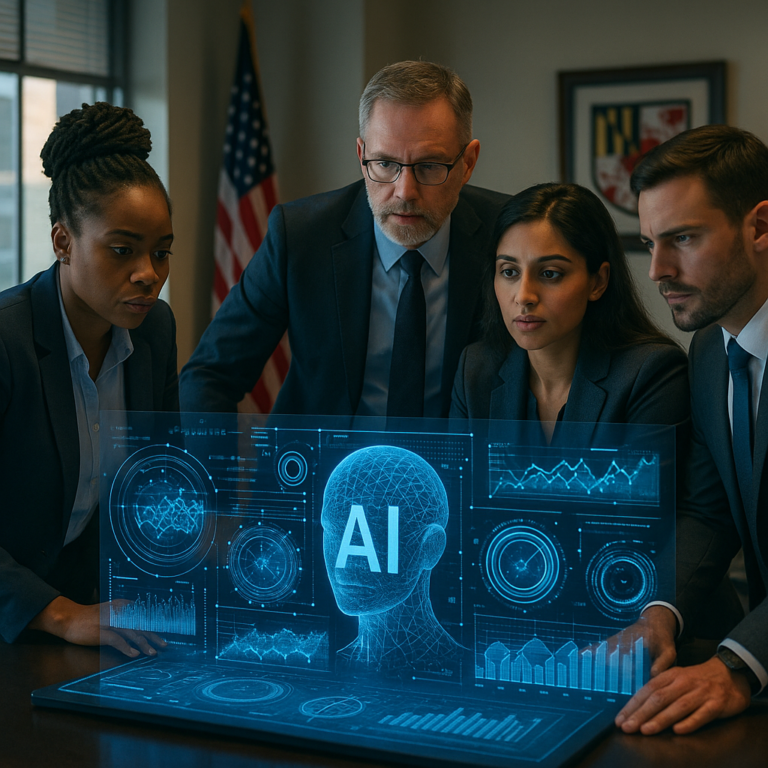
As someone passionate about technology and its transformational potential, I was thrilled to hear about the recent workshop in Kohima focused on AI innovation and digital tools. This groundbreaking event wasn’t just a meeting of minds; it was a catalyst for ideas, collaboration, and inspiration in a region eager to leverage technology for societal improvement. In this piece, I’ll unpack the workshop’s key insights, reflect on the pressing significance of AI in our lives today, and lay out actionable steps you can take to engage with artificial intelligence, no matter your background or experience level.
Table of Contents
- The Importance of AI
- Highlights from the Workshop
- Core AI Technologies Discussed
- Local and Global Impact of AI
- Nurturing the AI Ecosystem in Kohima
- Actionable Steps to Engage with AI
- Overcoming Common Barriers
- Summary
- FAQs
- Sources
The Importance of AI
Artificial Intelligence (AI) stands as a game-changer in today’s world, revolutionizing how we approach work, solve problems, and even relate to one another. In virtually every sector—healthcare, education, business, agriculture, and governance—AI is making processes smarter and more efficient.
What personally fascinates me the most is AI’s capacity to analyze massive datasets and draw actionable conclusions that humans might take years to unravel (if at all). Machine learning algorithms, natural language processing, and robotics are just some AI pillars delivering value across the globe. By automating routine tasks, predicting trends, and extracting new insights, AI is poised to solve some of humanity’s greatest challenges. Understanding AI’s dynamic role is increasingly critical for professionals and students alike—as new jobs are created and old ones evolve or disappear, AI literacy becomes a must for navigating the modern workforce.
Highlights from the Workshop
The Kohima workshop was a vibrant confluence of educators, entrepreneurs, students, government officials, and technology leaders, all eager to unlock the possibilities of AI. The event opened with a keynote address emphasizing the democratization of AI—a concept that resonates with me. Making AI accessible isn’t just about technical training; it’s about fostering an inclusive mindset so that communities everywhere (not only in global centers of technology) can benefit from and shape the future of intelligent systems.
Breakout sessions spanned a range of topics, each underscoring the symbiosis between technology and humanity:
- Human-Centric AI: Presenters stressed that no matter how advanced AI becomes, human judgment, ethics, and creativity remain irreplaceable. Effective AI is not about replacing humans but augmenting how we work and think.
- Collaborative Innovation: Several panels discussed boosting collaboration between public institutions, local tech startups, and educational bodies—building a robust AI talent pipeline for the region.
- Digital Literacy and Inclusion: Ensuring underrepresented groups have access to AI learning opportunities was a big focus, with calls to bridge the digital divide through training and resource sharing.
- Ethics and Governance: The need for clear ethical frameworks governing the development and deployment of AI systems was repeatedly emphasized.
- Entrepreneurial Opportunities: Entrepreneurs from Kohima and across India shared inspiring stories of how they’ve built AI-powered businesses, proving that innovative ventures don’t need to be rooted in Silicon Valley to have impact.
One particularly engaging segment was the demonstration of real-world AI tools that can change the game in sectors such as agriculture (AI-powered crop monitoring), healthcare (automated diagnostics), and business (predictive market analytics). For those curious, I highly recommend playing with platforms like OpenAI and Hugging Face. These tools are surprisingly approachable and can do everything from text generation to complex data analysis.
Core AI Technologies Discussed
The workshop delved into the practical mechanics of AI, making intricate concepts accessible even for beginners. Here are some AI technologies that captured participants’ imaginations:
- Machine Learning (ML): The engine of most AI advancements today, ML enables computers to learn from data and make predictions or decisions. Presenters explained how ML is powering personalized recommendations, fraud detection systems, and smart diagnostics.
- Natural Language Processing (NLP): This is the tech behind chatbots, digital assistants, and automated translation. Workshops illustrated how NLP models, like those from Hugging Face and OpenAI, are enabling new forms of human-computer interaction.
- Computer Vision: Used in everything from medical imaging to industrial automation, computer vision allows machines to interpret and respond to visual input. Tools powered by PyTorch and TensorFlow were demonstrated for live image analysis.
- Data Analytics: AI-driven analytics are being used to unearth insights from massive, complex datasets rapidly. Whether for public policy or business intelligence, this field has immediate, high-value applications.
Local and Global Impact of AI
While it’s easy to think of AI as a distant, abstract technology mainly relevant to tech giants and faraway urban centers, the Kohima workshop drove home how AI is already impacting local communities:
- Healthcare: AI-powered diagnostic tools are being piloted in nearby districts, enabling earlier disease detection and better health outcomes even where specialist doctors are scarce.
- Education: Adaptive learning platforms are helping students learn at their own pace, leveraging AI to identify knowledge gaps and suggest targeted learning materials.
- Government Services: Automated data management and predictive analytics are transforming public administration, making government programs more focused and citizen-friendly.
- Agriculture: Local farmers were shown how simple AI platforms can analyze satellite data, predict rain, and optimize planting schedules, which is vital in regions with limited infrastructure.
The global potential of AI was made tangible through case studies on precision medicine, autonomous vehicles, sustainable energy, and the creative industries. But hearing from local entrepreneurs who are already building solutions tailored for Kohima’s needs was, in my view, the workshop’s highlight.
Nurturing the AI Ecosystem in Kohima
One central message: Building a healthy local AI ecosystem requires more than just access to the latest technology. These are some recommended pillars from the workshop that I believe can be replicated anywhere:
- Education: Starting AI and data literacy early in schools, vocational institutions, and universities is key. Customizable online modules make this increasingly feasible for remote regions.
- Community-Led Innovation: Building local meetups and hackathons centered around AI challenges unique to Kohima, such as digital archiving of indigenous languages or optimizing rural logistics, unleashes homegrown talent.
- Policy Support: Encouraging government incentives for tech startups, collaborations with universities, and investment in broadband infrastructure to enable remote access to cloud-based AI tools.
- Inclusive Access: Targeted outreach for women, indigenous groups, and underprivileged youth can help ensure that the benefits of AI transformation are equitably shared.
Actionable Steps to Engage with AI
Getting involved with AI doesn’t have to be intimidating. The learning curve may seem steep, but resources are more accessible than ever. Here’s my practical roadmap:
- Educate Yourself: Whether your background is technical or not, you can start learning today. Platforms like Coursera and edX offer approachable, often free, courses on AI fundamentals, programming (Python is highly recommended), and even specialized tracks in ethics or applied data science.
- Join AI Communities: Building expertise is easier (and more fun) with others. Online platforms such as Kaggle let you participate in data science competitions, while Reddit’s Machine Learning subreddit is an open forum for discussions, questions, and sharing news. Local meetups or online study groups can provide lasting support networks.
- Experiment with Tools and Libraries: Don’t just read about AI—try it! Download datasets from Kaggle and use open-source libraries such as PyTorch or TensorFlow. Build a simple image recognizer, language classifier, or chatbot. This hands-on experience deepens understanding far more than theory alone.
- Stay Informed: AI is a fast-moving field. Bookmark journals and research aggregators like arXiv to follow new breakthroughs, or subscribe to relevant YouTube channels and newsletters.
- Initiate a Local Project: Apply your new skills to solve a problem in your community. Partner with NGOs, schools, or local businesses to create real impact—whether it’s a chatbot for government FAQs or an app to monitor local pollution.
Overcoming Common Barriers
Let’s be honest—engaging with AI in a place like Kohima comes with challenges: limited hardware, patchy internet, and scarce local mentors. Here are some common obstacles, and best practices shared at the workshop:
- Hardware Limitations: Leverage free or low-cost cloud computing platforms so you don’t need a powerful computer at home.
- Internet Issues: Download open datasets and course videos when possible for offline learning. Many MOOCs now offer this feature.
- Lack of Local Mentors: Reach out online! Forums and global open-source projects need contributors from all backgrounds.
- Intimidation Factor: Start small. Experiment with visual learning tools like scratch-based programming or simple no-code AI builders. Confidence grows with each success.
The workshop’s message was clear: anyone, anywhere can jump into AI with the right guidance and determination.
Summary
The workshop in Kohima shed light on the far-reaching potential of artificial intelligence—not only in developed urban centers, but in communities striving for better healthcare, education, jobs, and governance. Events like these are reminders that technology is most powerful when paired with local knowledge and human compassion.
We’re living through a revolution where understanding AI is no longer optional, but essential for adapting to the future. Whether you’re an aspiring data scientist, entrepreneur, student, or policymaker, there’s a role for you in shaping how intelligent tools serve society. My advice: learn, connect, and experiment. By taking actionable steps, you place yourself at the very heart of the next wave of innovation.
FAQs
- What is AI? AI, or artificial intelligence, refers to the simulation of human intelligence in machines programmed to think and learn. This includes learning from data, understanding language, recognizing images, and making predictions.
- How can I start learning about AI? Begin with online courses from platforms like Coursera and edX. You can also read books, watch YouTube tutorials, and participate in AI forums and competitions.
- What are some applications of AI? AI is transforming healthcare (diagnostics, treatment recommendations), finance (fraud detection, investment strategies), marketing (targeted ads), transportation (routing, autonomous vehicles), and even art and music (generative creativity).
- Is AI going to replace jobs? AI will inevitably automate certain tasks, but also create new opportunities and fields. The greatest demand will be for people who combine technical know-how with empathy, creativity, and critical thinking.
- Can someone from a non-technical background work in AI? Absolutely! Many roles in AI (such as data labeling, user experience, ethics, communications, and project management) require diverse skill sets. Curiosity and willingness to learn are your best assets.