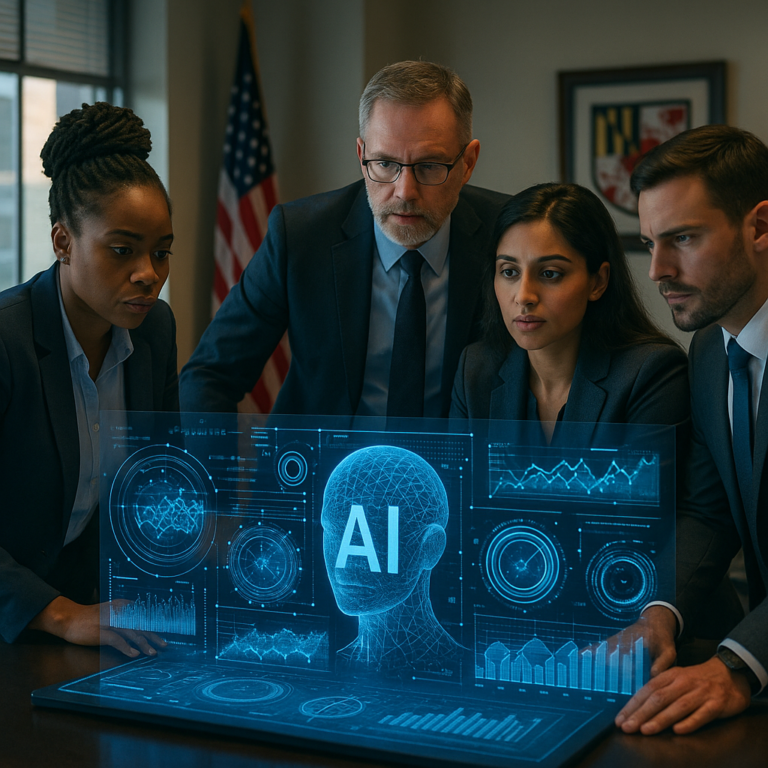
In a world where artificial intelligence (AI) is rapidly evolving, the call for practical learning is more urgent than ever. Recently, Minister Musenero emphasized the importance of practical learning to fuel AI innovation. This assertion not only resonates with the current digital landscape but also aligns perfectly with my belief that hands-on experience is crucial for mastering complex technologies. As organizations worldwide invest heavily in AI, the focus is shifting away from just theoretical frameworks to a more pragmatic, application-based approach. In this article, I explore the significance of practical learning in AI, delve into actionable strategies for implementation, present real-world examples, and analyze how this approach can drive sustained innovation on a global scale.
Table of Contents
- Importance of Practical Learning
- Why Theory Alone is Not Enough
- How Practical Learning Accelerates Innovation
- Real-World Success Stories
- Actionable Steps for Implementation
- Barriers and Solutions
- Summary
- FAQs
- Sources
Importance of Practical Learning
Practical learning is essential in the field of AI for several reasons. First, it bridges the notorious gap between theoretical knowledge and real-world application. While understanding algorithms, data structures, and mathematical models is fundamental to AI, being able to apply this knowledge in practical settings is what truly empowers innovation. According to a report from NIST, organizations that prioritize hands-on learning often see improved outcomes in their AI projects and a faster return on investment.
Furthermore, practical learning fosters a collaborative and creative environment. When learners engage in projects, they typically work in cross-functional teams, enhancing their ability to communicate complex ideas, troubleshoot issues, and solve multifaceted problems collectively. Such teamwork and communication are foundational for tackling the interdisciplinary challenges presented by AI.
Relying solely on theoretical learning can often lead to knowledge gaps, particularly regarding issues like data optimization, model deployment, ethical concerns, and scalability — all of which require real-world context to address effectively.
Why Theory Alone is Not Enough
The landscape of artificial intelligence is replete with advanced theories spanning deep learning, neural networks, reinforcement learning, and natural language processing. These theories form the bedrock of AI education. However, a solely academic approach can leave learners underprepared for practical realities.
- Complex Data: Real-world data is messy, incomplete, and unstructured. Learning how to clean, preprocess, and manage this data is often glossed over in theory.
- Deployment Challenges: Getting a state-of-the-art model to run smoothly in production is a world apart from training it in a controlled environment or on synthetic datasets.
- Ethical Considerations: Practical scenarios expose ethical dilemmas such as algorithmic bias, privacy issues, and unintended consequences that can rarely be simulated in a theoretical setting.
- Interdisciplinary Nature: AI projects involve not just computer science, but also elements from statistics, psychology, philosophy, business, and law. Cross-disciplinary communication is only honed through active, practical involvement.
As a result, practical learning acts as the crucible where theory is tested, refined, and transformed into tangible impact. It empowers individuals to navigate the unpredictable variables of real-world implementation and rise to the ever-escalating challenges of the AI frontier.
How Practical Learning Accelerates Innovation
Innovation in AI isn’t just about inventing new algorithms or creating sophisticated models. It’s equally, if not more, about enabling breakthrough applications, solving persistent societal problems, and continuously adapting to technological shifts. Practical learning serves as the engine for this kind of innovation by:
- Encouraging Experimentation: When learners have the freedom to try, fail, iterate, and try again, they unearth novel solutions that theory alone could not suggest. Hackathons, sandboxes, and test environments offer such opportunities.
- Developing Intuition: Through hands-on work, students and professionals develop a sixth sense for diagnosing issues, predicating system behavior, and optimizing processes such as feature engineering or hyperparameter tuning.
- Facilitating Immediate Feedback: Teams working on projects receive real-world feedback from users, clients, or stakeholders, allowing rapid iteration and improvement that is difficult to achieve in a classroom setting.
- Fostering Interdisciplinary Synergy: AI innovation often arises at disciplinary boundaries — for instance, AI applications in medicine, climate science, or business. Practical cross-disciplinary collaborations accelerate the absorption and cross-pollination of ideas.
As AI technology continues to evolve, embracing a practical learning mindset will increasingly distinguish those organizations and individuals that become leaders from those who lag behind.
Real-World Success Stories
Many of the world’s most successful AI projects can attribute at least part of their breakthrough to practical learning and hands-on application. Here are a few notable examples:
- Self-Driving Cars: Companies like Waymo and Tesla have relied not just on theoretical advancements, but on millions of miles of real-world driving data. Their teams regularly participate in simulation environments and real-road testing, which translates into safer, more reliable AI systems.
- Healthcare Diagnostics: AI-driven diagnostic tools, such as those developed by DeepMind and other research groups, achieve success in large part because data scientists and medical professionals work side by side, iteratively refining models according to practical medical requirements.
- Natural Language Understanding: Ground-breaking language models like GPT and BERT were honed not just through algorithmic innovation, but through practical engagement with massive, messy real-life textual datasets and ongoing community feedback.
- Education Technology: EdTech platforms leverage hands-on projects (e.g., coding bootcamps, Kaggle competitions) to train the next generation of AI developers, providing invaluable practical exposure in a safe, supportive environment.
Actionable Steps for Implementation
To harness the immense power of practical learning in AI, educational institutions, businesses, and individuals can pursue the following actionable strategies:
- Integrate Projects into Curriculum: AI courses at universities and training centers should be redesigned to include project-based modules. Simulated environments, capstone projects with real data, and open-ended challenges support deeper learning.
- Encourage Internships and Collaborations: Partnerships with tech companies open doors for internships where students can contribute to live AI projects, gaining exposure to industry workflows and professional collaboration tools.
- Leverage Online Platforms: Platforms such as Kaggle host data science competitions and share real datasets, allowing learners and hobbyists to apply AI techniques to real-world problems in an engaged, competitive context.
- Establish AI Labs and Hackathons: Universities, organizations, and governments can foster innovation by funding labs and organizing hackathons, where participants are encouraged to explore, iterate, and publicly share AI solutions.
- Promote Open Source Collaboration: Joining communities like Hugging Face or contributing to open-source AI projects exposes learners to real development pipelines, code standards, and global team dynamics.
- Mentorship and Peer Review: Creating opportunities for mentorship, code review, and constructive feedback helps learners avoid common pitfalls and advance more quickly.
- Continuous Professional Development: AI practitioners should be encouraged to pursue ongoing learning through workshops, webinars, and conferences, where hands-on sessions are prioritized over lectures alone.
Barriers and Solutions
Barriers: The shift toward practical learning is not without obstacles. Common challenges include scarcity of resources (hardware, software, data), lack of qualified mentors, risk aversion within institutions, and the inertia of entrenched curricula. In developing economies, these barriers can be even more pronounced due to financial, infrastructural, or policy limitations.
Solutions: Overcoming these hurdles requires creativity and collective will. Some approaches include: leveraging cloud-based environments to lower hardware costs, tapping into global open-source initiatives, forming public-private partnerships to fund innovation labs, and championing policies that incentivize experiential learning. Blended learning models, which combine online simulations with local project work, can mitigate infrastructure gaps in under-resourced regions.
Summary
Practical learning stands as a cornerstone of modern AI innovation. By bridging the divide between theoretical abstractions and messy, unpredictable real-world data, it equips learners at all levels with the creativity, confidence, and skills needed to tackle urgent global challenges — from healthcare and climate change to business and education. Implementing project-based curriculums, expanding internship opportunities, organizing hackathons, encouraging open collaboration, and investing in continuous professional development are among the most effective strategies. The time to prioritize hands-on, practical learning in AI is now — and those who do will shape the future.
FAQs
- What is practical learning in AI? Practical learning in AI involves hands-on experience where learners apply theoretical knowledge to real-world scenarios. This can include building projects, solving challenges, and engaging with live data, moving beyond textbook exercises.
- How can I implement practical learning in my AI studies? You can implement practical learning by participating in AI projects, seeking internships, collaborating on open-source code, utilizing platforms like Kaggle, attending hackathons, and experimenting with AI tools.
- Why is collaboration important in AI learning? Collaboration encourages creativity, invites diverse viewpoints, and builds problem-solving skills crucial to innovation. Working in teams prepares learners for the multidisciplinary nature of AI projects in industry and research.
- Can practical learning help address ethical concerns in AI? Yes. Real-world projects expose learners to dilemmas like bias, privacy, and transparency, helping them craft more responsible, robust solutions.
- Are there resources for practical AI learning for beginners? Absolutely. Many online platforms such as OpenAI, Hugging Face, and Kaggle offer beginner-friendly challenges and tutorials to jumpstart your hands-on AI journey.