As I explore the fascinating world of AI innovation, I can’t help but be excited about its impact on tourism, especially in beautiful Bermuda. The recent advancements in artificial intelligence are reshaping how we travel, making experiences more personalized and efficient. AI’s influence extends beyond mere technological novelty; it’s fundamentally altering the way both travelers and industry professionals engage with destinations. If you’re curious about how AI is revolutionizing the tourism industry, this article will dive deep into its transformative role in leveraging travel data, enhancing customer service, streamlining operations, and envisioning a future where every trip feels tailor-made. In this comprehensive exploration, I’ll delve into how AI is enhancing travel experiences, share the importance of these innovations, and offer actionable steps for travelers and industry professionals alike.
Table of Contents
- Introduction
- Impact of AI on Tourism
- Personalization in Travel
- Operational Efficiency
- AI in Bermuda: The Island Perspective
- AI in Action: International Examples
- Future of AI in Tourism
- Actionable Steps for Travelers and Professionals
- Summary
- FAQs
- Sources
Introduction
The tourism industry is undergoing a significant transformation thanks to artificial intelligence. From enhancing customer service to streamlining operations, AI is increasingly becoming a crucial component in providing unforgettable travel experiences. In Bermuda, as in other travel hotspots, AI innovations aren’t just about deploying advanced technology—they are centered on creating seamless, memorable journeys for every traveler. For those passionate about travel, technology, or business, understanding this AI revolution is essential as it will likely dictate future travel trends for years to come.
Impact of AI on Tourism
AI’s integration into tourism is multifaceted. According to a Reuters article, artificial intelligence is powering booking systems, modernizing customer service, and transforming destination marketing. These changes streamline complexity within travel processes, replacing friction with fluidity.
Consider what this means for modern travelers: trip planning that once took hours of research can now be completed in minutes, powered by AI-driven insights into travel patterns, preferences, and even budget. Customer queries are not left waiting in a queue but can be answered around the clock by smart chatbots, which are becoming increasingly sophisticated in mimicking human conversation. AI’s predictive abilities, meanwhile, help tourism boards and businesses anticipate demand, manage resources, and even predict and prepare for disruptions, from weather events to sudden surges in bookings. For the traveler, AI-driven security and safety measures bring additional peace of mind—for instance, AI can instantly flag potentially fraudulent activity or alert travelers to changing circumstances.
Personalization in Travel
Perhaps the most thrilling aspect of AI in tourism is its unparalleled ability to foster personalization—delivering recommendations, experiences, and services that feel crafted for each guest. AI algorithms, trained on data like previous bookings, web searches, social media activity, and even feedback surveys, can curate tailor-made travel suggestions.
Companies like Hugging Face are showcasing what’s possible: by building advanced machine learning systems, they enable platforms that understand user nuances, from dietary requirements to offbeat activity preferences. Imagine logging into a booking portal to find not only your favorite type of room or activity but also unique, local experiences you didn’t even know existed—all surfaced thanks to AI.
For families, solo travelers, or adventure seekers, this level of customization increases satisfaction and helps tourists make the most of their time and budget. In return, businesses gain deeper loyalty and invaluable data for continued improvement. Furthermore, this personalization doesn’t stop before arrival; AI can make real-time recommendations—think of a virtual concierge letting you know when the island’s hidden beach is least crowded or reminding you of that yoga class you expressed interest in weeks ago.
Operational Efficiency
Behind the scenes, AI is an invisible powerhouse, helping travel companies operate leaner and smarter. Day-to-day operations in hospitality, air travel, cruises, and attractions are traditionally labor-intensive and prone to inefficiencies. With the introduction of AI-driven automation, key resources such as staff time and materials can be better utilized.
Customer-facing tools like chatbots respond to booking, check-in, rebooking, and cancellation inquiries 24/7, which not only saves time but also ensures that travelers aren’t left waiting when human agents are unavailable. Beyond communications, AI-led analytics help companies optimize pricing by analyzing real-time market data, trends, competitor actions, and historical demand patterns. According to a NIST report, adopting AI solutions can significantly lower costs while maintaining or elevating service quality.
Inventory management and resource allocation are also smarter with AI—hotels, cruise operators, and attractions can minimize waste, forecast busy periods, and schedule staff accordingly. Predictive analytics can reduce errors, anticipate demand surges, and identify sales opportunities, all of which have a direct, positive impact on profit margins.
AI in Bermuda: The Island Perspective
Bermuda is one of the most beautiful island destinations in the world, famed for its pink-sand beaches, historic towns, and vibrant marine life. As such, it faces unique challenges and opportunities when it comes to tourism technology.
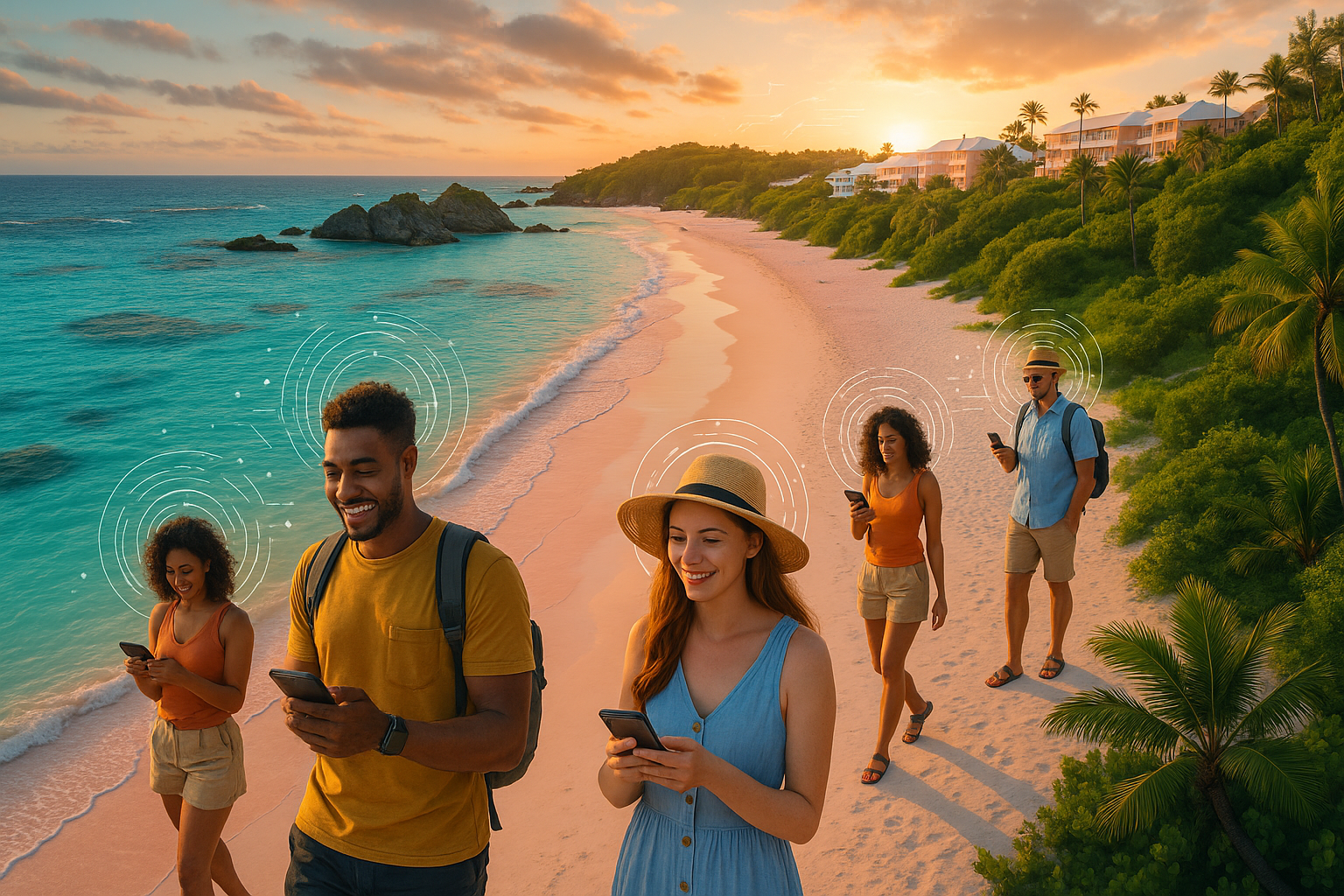
With a compact geography and seasonal tourist inflows, Bermudian tourism stakeholders are leveraging AI to help balance visitor numbers, promote off-peak travel, and preserve the island’s delicate natural and cultural heritage. For example, AI-powered systems can monitor visitor traffic to popular sites, redistributing tourists through timely recommendations and digital signage. This not only minimizes overcrowding but also ensures each guest discovers hidden gems beyond the well-trodden paths.
Moreover, Bermuda’s hospitality sector is adopting AI-enhanced guest services: smart in-room assistants, multilingual chatbots, and dynamic pricing models ensure a high level of service even during peak periods. Environmental monitoring technologies, powered by AI, help local authorities protect marine environments by detecting pollution risks or responding to sudden ecosystem changes—ensuring that tourism development remains sustainable for generations to come.
AI in Action: International Examples
To put Bermuda’s efforts in context, it’s helpful to look at global case studies:
- Singapore Changi Airport: One of the world’s premier airports, Changi utilizes AI-powered facial recognition for passenger processing, speeding up security, customs, and boarding. Similar systems can be adopted by cruise or ferry terminals in island nations, including Bermuda.
- Hilton Hotels: The hotel chain uses “Connie,” an AI robot concierge offering interactive recommendations about local dining, events, and attractions, all based on past guest profiles and preferences.
- Tourism Australia: The country’s tourism board uses AI-driven sentiment analysis to monitor global perceptions of its destinations, allowing rapid marketing response and tailored campaigns that engage potential visitors at the right moments.
These examples showcase the widespread and beneficial impact that thoughtful AI adoption can bring to all aspects of tourism, delivering valuable lessons for Bermuda and other travel destinations looking to level up their offerings.
Future of AI in Tourism
Looking ahead, the future of AI in tourism is bound to be even more intertwined with digital lifestyles and global travel habits. Adaptive AI models will make virtual reality travel previews more lifelike, allowing guests to “try before they buy” in digital replicas of destinations. Predictive analytics will not only help forecast demand and weather disruptions but will even guide travelers in real time—suggesting last-minute alternatives should plans change.
We can also expect AI-powered translation and interpretation tools to erase language barriers in real time, making remote locales feel accessible to all. Smart wearables—integrated with AI—may provide on-the-go health, safety, and accessibility alerts. Augmented reality guides could offer self-paced, deeply engaging explorations, overlaying historical or ecological information as you stroll Bermuda’s fortifications or marine reserves, creating rich, interactive learning opportunities.
Crucially, as AI’s role expands, ethical questions around privacy and data use are paramount. Responsible tourism operators must balance innovation with transparency and consent, ensuring that trust remains at the heart of every technology deployment.
Actionable Steps for Travelers and Professionals
For Travelers:
- Embrace digital tools: Take advantage of AI-driven travel platforms that curate personalized itineraries, provide real-time updates, and offer local recommendations. The more you use these tools, the better they learn your preferences.
- Protect your data: Be mindful of privacy settings, consent, and permissions on travel platforms. Opt for services that clearly communicate how your data will be used and stored.
- Stay informed: Read up on the latest AI trends in travel and experiment with new features—AI translation, virtual concierges, or digital activity planners. Engaged travelers unlock the most value from emerging tech.
For Tourism Professionals:
- Pilot AI solutions: Test chatbot support, automated pricing tools, or guest analytics in your operations and gather feedback from both staff and customers to refine deployments.
- Invest in training: Equip your team with AI literacy—help them interpret data, manage digital tools, and maintain the human touch that complements automation.
- Prioritize sustainability: Use AI for environmental monitoring, resource management, and eco-friendly recommendations to ensure that technology supports—not jeopardizes—Bermuda’s unique ecosystems and cultural treasures.
- Transparency: Communicate openly with guests and partners about how AI is used, especially regarding data collection and privacy, to maintain trust.
Summary
AI innovation is transforming the tourism industry, particularly in destinations like Bermuda. By enhancing personalization, improving operational efficiency, and paving the way for future advancements, AI is making travel more enjoyable, streamlined, and accessible. With benefits ranging from faster bookings and smarter customer service to sustainable visitor management and immersive experiences, AI is indeed reshaping how we explore the world.
For destinations like Bermuda, this presents an invaluable opportunity: to highlight their natural assets in smarter, more sustainable ways and to guarantee that every traveler walks away with memories as unique as the island itself. As the world reopens to travel and digital adoption accelerates, both travelers and industry professionals who welcome AI with open arms—and mindful caution—will find themselves at the forefront of a brand new age of tourism.
FAQs
- How is AI used in the tourism industry? AI is used for highly personalized recommendations, customer service automation, resource and pricing optimization, and rapid analysis of visitor trends.
- What are the benefits of AI for travelers? Travelers benefit from customized itineraries, faster responses to inquiries or changes, real-time safety updates, seamless communications, and experiences that match their unique needs and interests.
- Will AI replace human jobs in tourism? While certain routine tasks may be automated, AI is more likely to augment human roles. This shift frees up staff to focus on high-value tasks like guest relations, creative experiences, and technological management, ultimately leading to changes in job profiles rather than outright replacements.
- How can travelers stay informed about AI innovations? Travelers can follow travel industry news, subscribe to newsletters, and engage with new platform features to stay ahead of the curve. Attending or following reports from technology-oriented travel expos is also a good way to discover the latest innovations.
- What about privacy concerns? Reputable travel platforms are investing in better data transparency and control tools, enabling users to manage their privacy and understand how their data is used to improve services.
- Are these solutions sustainable? Yes, when thoughtfully implemented. AI is actively used in visitor management and environmental monitoring, ensuring tourism development proceeds in harmony with natural and cultural preservation goals.