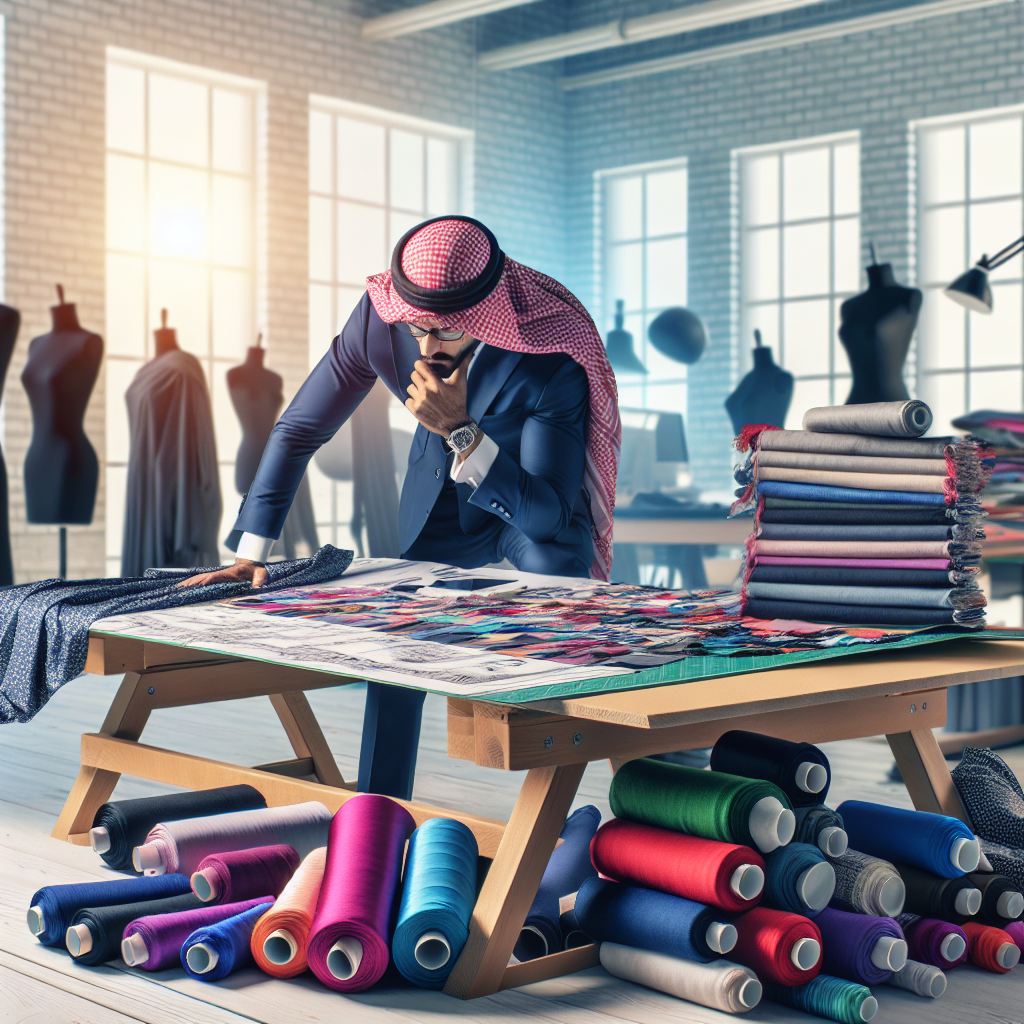
In the rapid-fire, ever-changing landscape of the fashion world, overproduction has emerged as a colossal challenge with serious economic and environmental implications. The notorious churn of “fast fashion” has not only put pressure on brands to produce more and faster, but it’s also left our planet—and business bottom lines—paying the price. How can the industry balance the need for profitability with the imperative of sustainability? In this article, we’ll conduct a deep dive into why overproduction persists, the costs it exacts, and strategies to address it without compromising financial viability.
Table of Contents
- Understanding Overproduction in Fashion
- The Impact of Overproduction on Profitability
- Root Causes of Overproduction
- Adopting Sustainable Practices
- Leveraging Technology for Efficiency
- Collaboration Across the Supply Chain
- Creative Approaches to Tackle Overproduction
- The Role of the Conscious Consumer
- Summary
- FAQs
- Sources
Understanding Overproduction in Fashion
Overproduction, at its core, occurs when fashion brands manufacture more items than the market demands, resulting in an overflow of inventory and wasted resources. This issue is not merely a logistical hiccup—it’s a sign of an industry out of sync with both consumer behavior and ecological responsibility. As highlighted by Campaign Live, the fashion sector discards millions of tons of unsold garments every year, most of which end up in landfills or are incinerated, compounding environmental harm.
Root Causes of Overproduction
To address overproduction, we must first understand its deep-seated causes:
- Chasing Trends: Fast fashion has drastically shortened the lifecycle of styles, pressuring brands to keep up with rapidly shifting tastes by producing new collections at breakneck speed.
- Inaccurate Demand Forecasting: A heavy reliance on historical sales data without accounting sufficiently for volatile trends and external shocks often leads to substantial miscalculations in inventory needs.
- Supply Chain Complexity: Disconnected supply chains, long lead times, and reliance on overseas manufacturing often force brands to place huge orders months in advance, increasing the chances of overestimations.
- Retailer Expectations: Large retailers often push brands to overstock to avoid running out, furthering the problem down the line.
- Discounting Culture: The expectation of end-of-season sales and steep markdowns encourages brands to overproduce, banking on selling excess through discounts.
The Impact of Overproduction on Profitability
The financial pitfalls of overproduction are formidable. Every unsold unit is a cost that compounds over time. According to Marketing Week, the effects ripple across every facet of a business:
- Tied-up Capital: Money locked in unsold goods cannot be invested elsewhere, choking cash flow and reducing agility.
- Storage & Logistics: Storing vast amounts of unsold inventory inflates warehousing costs and operational overhead.
- Frequent Discounting: The need to move overstock via sales and promotions erodes brand perception and shrinks overall margins.
- Waste Disposal: Disposing of unsold product, whether through destruction or donation, adds further costs and possible PR nightmares.
Ultimately, brands that habitually overproduce can find themselves facing shrinking profits, mounting debts, and reputational risks—all while doing considerable harm to the planet.
Adopting Sustainable Practices
So how can brands counteract overproduction and align with a more sustainable, profitable model? A major part of the answer lies in embedding sustainability into every level of the business. Some actionable strategies include:
- Smaller, More Frequent Drops: Instead of massive seasonal lines, brands can launch smaller, more frequent collections, better aligning output with real-time demand.
- Made-to-Order/Pre-Ordering: Using a pre-order model ensures that items are only manufactured once a customer has purchased, nearly eliminating unsold inventory. Emerging designers and innovative DTC brands are adopting this model with promising results.
- Upcycling and Circular Design: Brands like Patagonia and Everlane are investing in upcycling—reimagining unsold goods into new products—and circular design, meaning products are created with their eventual reuse, recycling, or compostability in mind. Everlane, for example, has committed to radically transparent production and regular reporting on its environmental impact.
- Eco-Friendly Materials: Using materials like organic cotton, recycled polyester, and biodegradable textiles helps mitigate the impact of any unavoidable waste.
- Supply Chain Transparency: Consumers are increasingly demanding to know where and how their garments are made. Transparent brands not only strengthen their reputation but also identify inefficiencies that contribute to overproduction.
The upshot? Sustainability isn’t merely an altruistic pursuit—it can serve as a long-term engine of profitability and innovation. As noted by HubSpot, sustainable brands are attracting consumer loyalty and premium pricing.
Leveraging Technology for Efficiency
No longer the exclusive domain of Silicon Valley, data analytics, artificial intelligence (AI), and digital manufacturing are revolutionizing the business of fashion. These technologies offer myriad ways to shrink the production-to-purchase gap:
- AI-Driven Demand Forecasting: Advanced analytics can synthesize data from social media, sales, market trends, and even weather to more accurately forecast demand, allowing for smarter, smaller production runs.
- Inventory Management Platforms: Cloud-based systems provide real-time insights into what’s selling, what’s stagnating, and allow for dynamic stock reallocation across locations to avoid overstock in any one place.
- 3D Sampling and Virtual Prototyping: Digital design tools (like CLO or Browzwear) let designers visualize and perfect garments without physically producing samples, saving time, money, and materials.
As Ad Age reports, technology isn’t just a nice-to-have—it’s quickly becoming the backbone of modern, sustainable, and profitable fashion brands.
Collaboration Across the Supply Chain
Few brands operate in a vacuum. From mill to manufacturer, retailer to recycler, fashion’s global supply chain is an intricate dance. Collaboration is the key to synchronizing supply with demand and rooting out inefficiency.
- Shared Data Platforms: When suppliers, manufacturers, and retailers share demand and inventory data, they can collectively adjust production in real-time, slashing unnecessary output.
- Joint Sustainability Initiatives: Industry-wide collaborations—like the Ellen MacArthur Foundation’s Make Fashion Circular Initiative and the United Nations Environment Programme (UNEP)—drive collective commitments, standards, and accountability.
- Resale and Rental Platforms: Partnerships with circular economy startups give brands new channels to offload excess stock while reducing waste and reaching new customer segments.
Through partnership and open standards, the industry can tackle its wasteful roots and usher in an era of smart, connected, mutual profitability.
Creative Approaches to Tackle Overproduction
Beyond technology and sustainability, many brands are reinventing their approach to fashion production and distribution. Here are a few innovative models:
- Limited Editions and Drop Culture: Fueled by “hype,” streetwear and contemporary brands like Supreme and Off-White harness limited edition drops to create buzz, ensure sell-outs, and virtually eliminate excess.
- Custom and Personalization Services: Technology now allows brands to offer made-to-measure options at scale. By making garments after an order is placed, brands like Indochino and Son of a Tailor radically cut overproduction.
- On-Demand Manufacturing: Digital direct-to-garment (DTG) printing and automation let small brands manufacture individual pieces, as seen in the rise of print-on-demand t-shirt brands and Etsy sellers.
- Zero-Waste Design: Some forward-thinking designers employ pattern-making techniques to ensure every scrap of fabric is used, meaning nothing goes to waste (see brands like Zero + Maria Cornejo and Tonlé).
The Role of the Conscious Consumer
While production decisions start with brands, consumers have growing influence. Rising demand for sustainable, ethically made goods is driving shifts across the industry. Brands that invest in storytelling and transparency—not just on sourcing but manufacturing volumes, unsold inventory policies, and waste management—find that customers reward them with loyalty, advocacy, and repeat business.
Education initiatives, whether via social media, in-store events, or brand campaigns, empower shoppers to value quality over quantity and favor brands with authentic sustainability credentials. The more informed the market becomes, the less tolerance there will be for the disposable culture that birthed overproduction in the first place.
Summary
Tackling overproduction in fashion is a complex, urgent challenge, touching every corner of the industry—from design tables to distribution centers. Yet it is not insurmountable. By embracing sustainability, harnessing technology, fostering collaboration, and nurturing more conscious consumers, fashion brands can align purpose with profit for a stronger future. The transformation will demand courage and creativity, but the rewards—financial, reputational, and environmental—are well worth the effort.
FAQs
- What is overproduction in the fashion industry?
Overproduction means manufacturing more clothing and accessories than the market can sell, leading to waste in resources, time, money, and environmental damage. - How does overproduction affect profitability?
It ties up cash in unsold goods, increases warehousing costs, leads to frequent discounting (and damaged brand image), and often requires costly disposal solutions. - What sustainable practices can fashion brands adopt?
Brands can incorporate smaller, more frequent collections, pre-order models, upcycling, circular design, eco-friendly materials, and transparent supply chains. - How can technology help reduce overproduction?
Modern technology enables accurate demand forecasting, smarter inventory management, digital sampling, quick-turn manufacturing, and crucial data-sharing across the supply chain. - Why is collaboration important in the fashion supply chain?
Collaboration enables brands and suppliers to match production with real demand, reduce duplicated efforts, pool resources, and support shared sustainability goals. - What can consumers do to help solve overproduction?
By demanding greater transparency, shopping mindfully, supporting brands with ethical production policies, and educating themselves about sustainability, consumers can shift industry practices.