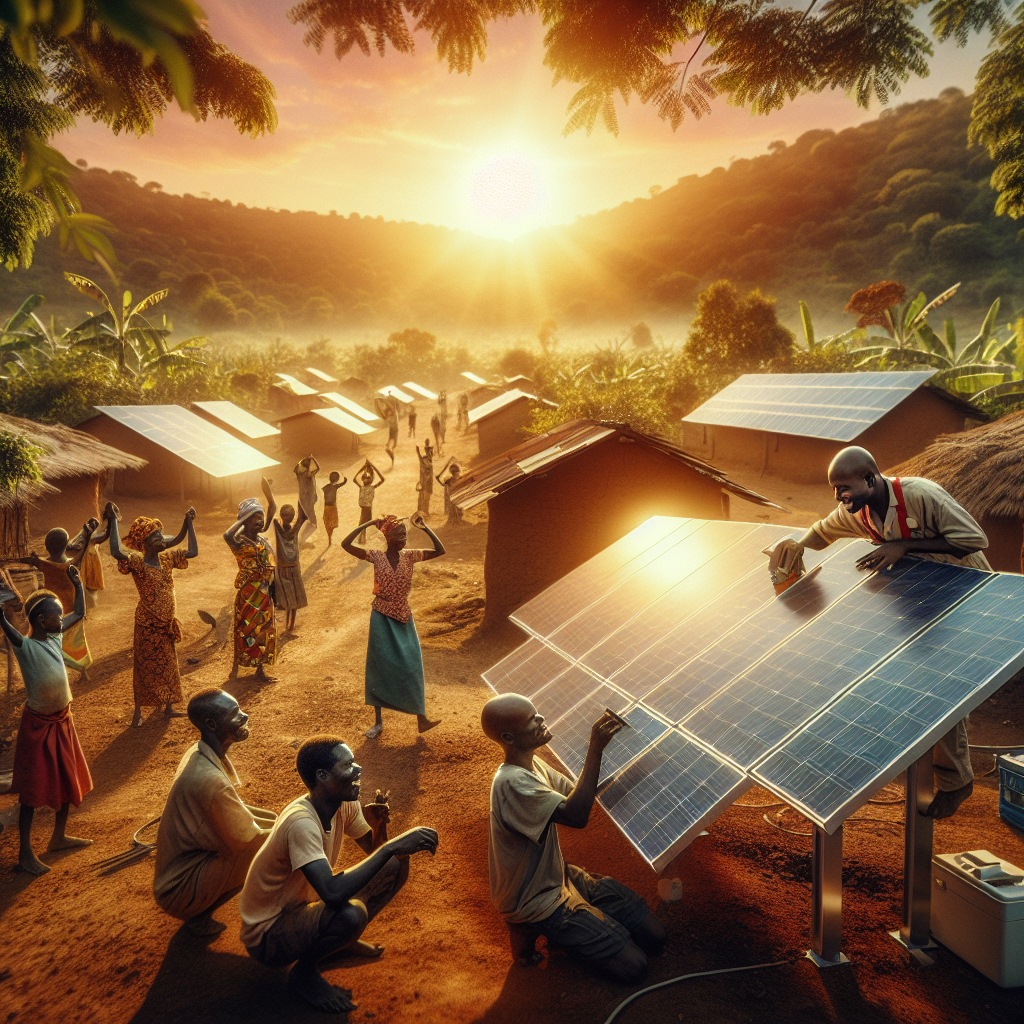
In a world increasingly focused on sustainability, it’s inspiring to see companies making a real difference. LONGi’s recent recognition by the UNEP as a sustainable brand case study in Africa highlights this trend. In this article, I’ll explore how their initiatives are shaping the future of renewable energy and what we can learn from their approach.
Table of Contents
- Introduction
- LONGi’s Impact in Africa
- Key Sustainability Initiatives
- Building Deeper Community Roots
- Long-Term Economic Benefits
- Challenges and How LONGi Responded
- Lessons Learned from LONGi
- How Other Businesses Can Adopt Similar Approaches
- Summary
- FAQs
- Sources
Introduction
As we navigate the complexities of climate change, the role of corporations in fostering sustainability has never been more critical. Companies like LONGi are not just participating in the renewable energy sector; they are setting benchmarks for others to follow. By examining their efforts in Africa, we can uncover valuable insights that can be applied across various industries.
The transition to renewable energy, particularly in emerging economies, is not just about reducing carbon footprints, but also about nurturing economic independence, fostering social equality, and setting the path for technology-driven growth. LONGi’s story in Africa demonstrates how a business can transcend its commercial ambitions, aligning success with the broader interests of communities, ecosystems, and future generations.
LONGi’s Impact in Africa
LONGi Green Energy, a leading global solar manufacturer, has made significant strides in Africa. Their commitment to sustainable practices is evident through their investments in solar technology, which not only provide clean energy but also create jobs and stimulate local economies. For instance, their solar projects in countries like South Africa and Kenya have been pivotal in increasing energy access in remote areas.
But their impact goes far beyond the surface. Let’s take a closer look:
- Transforming Energy Access: With millions of Africans still lacking access to the grid, solar microgrids and distributed systems developed by LONGi have offered an immediate and practical solution. These projects provide power to schools, health clinics, and village communities, often for the first time, thereby enhancing quality of life and enabling development.
- Boosting Local Manufacturing: LONGi has actively partnered with local entrepreneurs and governments, facilitating the setup of assembly facilities and fostering skills transfer. This helps reduce reliance on imports and encourages domestic value addition.
- Job Creation: Every solar project isn’t just about panels—it’s also about people. Installing, maintaining, and expanding these systems have created much-needed jobs, ranging from engineers to field technicians to administrative staff.
- Supporting Regional Policy: By working with regional economic communities, LONGi has contributed to the formulation of policy frameworks that incentivize green energy deployment and investment.
The importance of these initiatives cannot be overstated. According to the International Renewable Energy Agency (IRENA), renewable energy can significantly reduce energy poverty, making it essential for sustainable development. LONGi’s projects exemplify how businesses can contribute to this goal while also enhancing their brand reputation.
Key Sustainability Initiatives
LONGi’s approach to sustainability encompasses several key initiatives:
- Innovative Technology: LONGi invests heavily in research and development to enhance the efficiency of solar panels. Their monocrystalline technology is among the most efficient available, making solar energy more accessible and affordable. Their innovations have pushed module efficiencies well above 24%, a benchmark in the industry. Such advancements allow for more energy to be captured per square meter, reducing the cost per watt and lowering installation footprints.
- Local Partnerships: Collaborating with local governments and organizations has been crucial for LONGi. These partnerships ensure that projects meet local needs and regulations, fostering community support. For example, by engaging local universities in solar research and training, LONGi encourages the development of new curriculums and creates a pipeline for technical talent in the renewables field.
- Education and Training: LONGi also focuses on educating local communities about solar energy. By providing training programs, they empower individuals to maintain and operate solar systems, creating jobs and enhancing local expertise. These programs often extend to public schools and local colleges, ingraining a culture of sustainability at the grassroots level.
But LONGi’s sustainability initiatives go even further. They have implemented strict environmental standards in their own supply chains, demanding that global suppliers adhere to best practices in energy use and resource management. This prevents the displacement of environmental harm and ensures that their entire ecosystem remains responsible.
Building Deeper Community Roots
Any lasting corporate effort must be built on real, reciprocal relationships with the community. For LONGi, investing in Africa has not just been about technology—it’s been about people and trust. In several countries, LONGi’s leadership has spent considerable time with local leaders, traditional authorities, and youth organizations to understand their genuine concerns and aspirations.
By undertaking social impact assessments and involving community members from project inception, LONGi has succeeded in designing initiatives that are respected, relevant, and maintained for the long run. For example:
- Public Health Integration: In some remote areas where LONGi deployed solar systems, they partnered with health NGOs to equip clinics with refrigeration and reliable power for life-saving vaccines and medicines. This cross-sector approach reinforces the wider benefits of green energy.
- Promoting Gender Inclusion: Women are often underrepresented in energy access initiatives. LONGi works with local advocacy groups to ensure women have dedicated seats in training programs and are hired in decision-making roles during project development.
- Small Business Incubation: After electrification, communities are able to start micro-businesses such as phone charging, cold storage, or water purification, vastly increasing local commerce and wealth creation. LONGi sometimes provides microloans or technical support to such entrepreneurs.
Long-Term Economic Benefits
A shift toward renewables, when led by a dedicated partner like LONGi, brings more than just environmental gains; it sparks a powerful chain reaction of economic upliftment. Let’s explore how:
- Reduced Energy Costs: Solar power, once installed, provides years of low-cost electricity, shielding vulnerable communities from the volatility of fossil fuel prices. This savings can be redirected to education, healthcare, and local entrepreneurship.
- Upskilling the Workforce: The technical skills required for solar installation, maintenance, and management enrich the local labor pool, making these communities attractive locations for further investment—even beyond the energy sector.
- Supporting Resilience: Decentralized, off-grid solar systems are particularly valuable in areas prone to grid outages or climate crises, helping villages and businesses recover quickly from disruptions.
- Strengthening Small and Medium Enterprises (SMEs): Access to energy is a critical bottleneck for the continent’s SMEs. By removing this barrier, LONGi directly contributes to market growth and regional resilience.
Challenges and How LONGi Responded
No transformation happens without obstacles. Africa’s energy landscape is complex, marked by geographical, political, and infrastructural challenges. Here’s how LONGi addressed some of the principal hurdles:
- Infrastructure Gaps: Many rural communities have poor road networks and limited access to logistics. LONGi coordinated with local transport providers and sometimes invested directly in road upgrades to ensure smooth delivery and installation of solar modules.
- Policy and Regulatory Barriers: Some countries faced slow bureaucratic processes or unclear policy frameworks for renewables. LONGi’s team worked closely with governmental agencies, sharing case studies from successful deployments and offering technical advice to accelerate approvals and incentivize local content.
- Affordability: Initial costs of solar power systems can be prohibitive for low-income communities. LONGi advocated for and supported innovative financing, such as pay-as-you-go models or microfinancing, breaking down price barriers and making energy accessible to more people.
- Supply Chain and Skills Shortages: By sponsoring training programs and collaborating with local vocational schools, LONGi reduced dependency on foreign technicians and built a base of homegrown expertise, supporting ongoing maintenance and system expansion.
Lessons Learned from LONGi
From LONGi’s experience in Africa, there are several lessons that businesses can apply to their sustainability efforts:
- Invest in Technology: Continuous investment in innovative solutions is key to staying competitive and sustainable. Companies should prioritize R&D to enhance their products and services.
- Engage with Communities: Building relationships with local communities can lead to more successful projects. Understanding their needs and involving them in the process fosters trust and collaboration.
- Focus on Education: Providing training and resources can empower communities and create a skilled workforce. This not only benefits the company but also contributes to local development.
- Tailor Approaches to Local Contexts: There’s no one-size-fits-all. Solutions must reflect local economic, social, and cultural realities. LONGi’s flexible, adaptive planning can be a guide for other firms.
- Share Value Beyond Direct Benefit: Pursuing co-benefits—like better health, gender equality, and entrepreneurship—magnifies impact and creates allies across society.
By embracing these principles, businesses can not only improve their sustainability efforts but also enhance their overall impact.
How Other Businesses Can Adopt Similar Approaches
LONGi’s model isn’t limited to energy or Africa. Here’s how organizations in any sector or geography can adapt their strategies:
- Start with Stakeholder Mapping: Identify all those your efforts might touch—customers, employees, local leaders, advocacy groups—and build genuine, ongoing dialogue.
- Embed Impact Assessment: Conduct rigorous, transparent analysis of your proposed initiative: Who wins? Who might lose? How can risks be reduced and positive spillovers maximized?
- Invest in Locally Relevant Innovation: Whether through new products or operational changes, ensure that R&D reflects real-world use-cases and constraints.
- Develop Training and Mentorship: Capacity-building is fundamental. Foster local champions and ensure skills are transferred as part of every intervention.
- Advocate Collaboration and Policy Alignment: Work with authorities and the private sector to co-create incentive frameworks. Share data and insights generously to foster sector-wide progress.
By adopting these steps, organizations can accelerate their sustainability journey, deepen relationships with communities, and create truly lasting positive impact.
Summary
LONGi’s activities in Africa serve as a powerful case study in sustainable business practices. Their commitment to innovative technology, community engagement, and education highlights the multifaceted approach needed to make a real difference in the renewable energy sector. From pioneering solar manufacturing to building inclusive training programs and supporting policy development, LONGi lays out a blueprint for sustainable business that resonates across industries and continents.
Businesses of all sizes and sectors can learn from LONGi’s journey. Whether you’re launching a new product, scaling up operations, or entering emerging markets, prioritizing sustainability isn’t just ethical—it’s a strategic advantage. The more you root your impact in community engagement, local empowerment, and technological excellence, the more your success becomes shared and sustainable.
FAQs
- What is LONGi Green Energy? LONGi is a global leader in solar manufacturing, known for its innovative solar technologies and focus on sustainability.
- Why is sustainability important for businesses? Sustainability helps companies reduce their environmental impact, improve brand reputation, access new markets, and meet consumer and regulatory demands for eco-friendly practices.
- How can companies engage with local communities? Companies can engage through partnerships, community programs, stakeholder meetings, social impact assessments, and by involving locals in project planning and execution.
- What role does education play in sustainability? Education empowers communities, creates local jobs, ensures long-term project success, and builds a skilled workforce necessary for advancing sustainability initiatives.
- Can the LONGi model work outside Africa? Absolutely. The principles of local engagement, technological innovation, and capacity building are universally applicable, from Latin America to Southeast Asia and beyond.